The 48-Hour Rule: How Fast Mold Grows in SWFL Homes After Water Intrusion
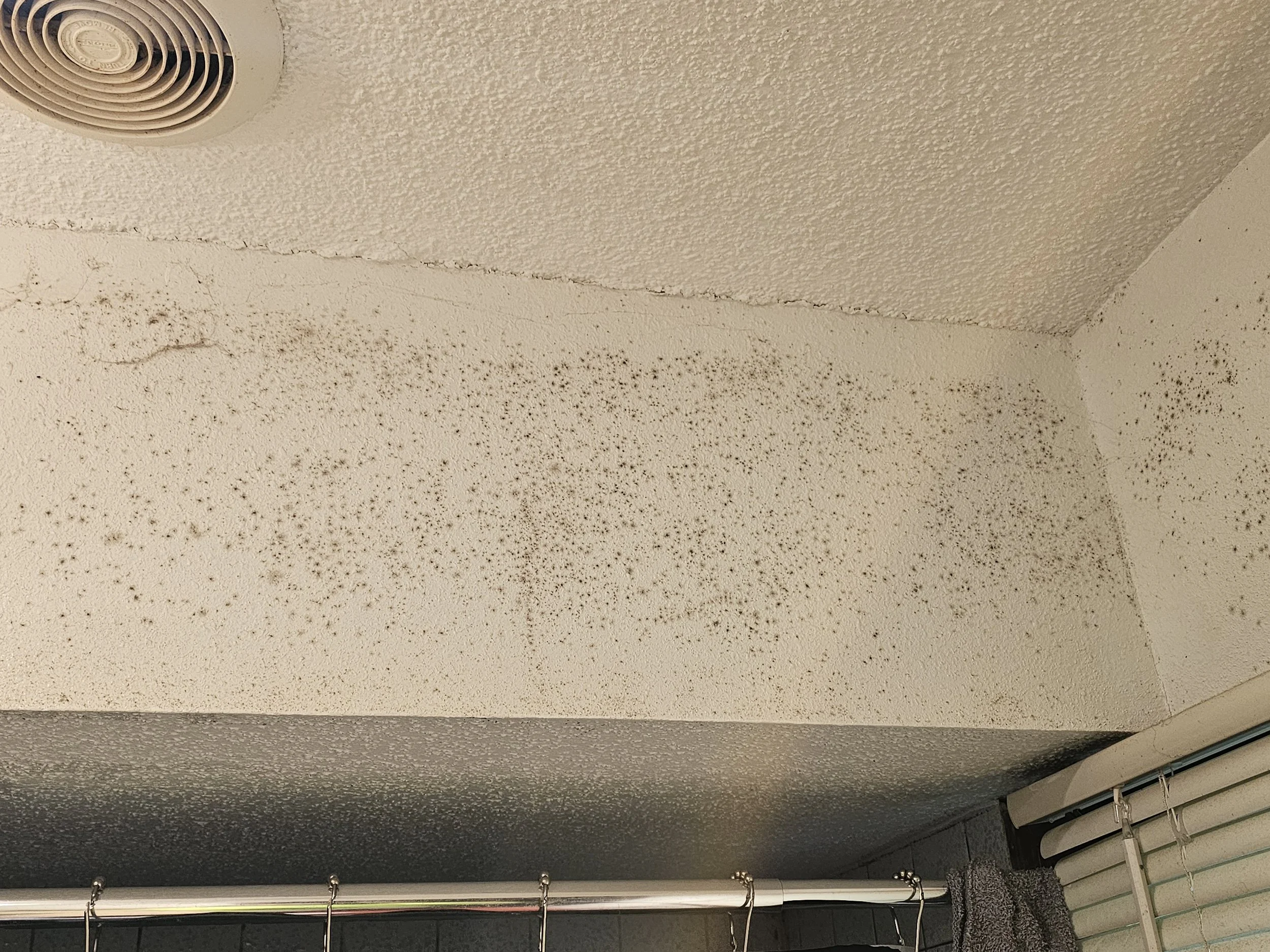
A pipe bursts under the sink. A storm pushes water through a window seal. The roof takes a hit and rainwater finds its way into the attic. In each case, the damage you can see is only part of the problem.
What happens in the hours that follow, especially in Southwest Florida's climate, determines whether you're dealing with a cleanup or a mold remediation.
The 48-hour rule is straightforward: mold can begin to colonize wet surfaces within 24 to 48 hours of moisture exposure. In a climate like Naples, Fort Myers, or Cape Coral, where indoor humidity can climb above 60% even with air conditioning running, that window can shrink considerably.
Why Southwest Florida changes the equation
Mold needs three things to grow: a food source (drywall, wood framing, insulation), moisture, and warmth. Southwest Florida provides all three in abundance, year-round. The average outdoor humidity in SWFL sits between 70% and 90% depending on the season.
When a water intrusion event occurs, that ambient moisture adds to whatever water entered the structure, accelerating conditions that allow mold spores to settle and germinate.
24 hrs
Spores begin attaching to wet surfaces
48 hrs
Active colonization can begin on porous materials
72+ hrs
Visible growth may appear; hidden activity likely underway
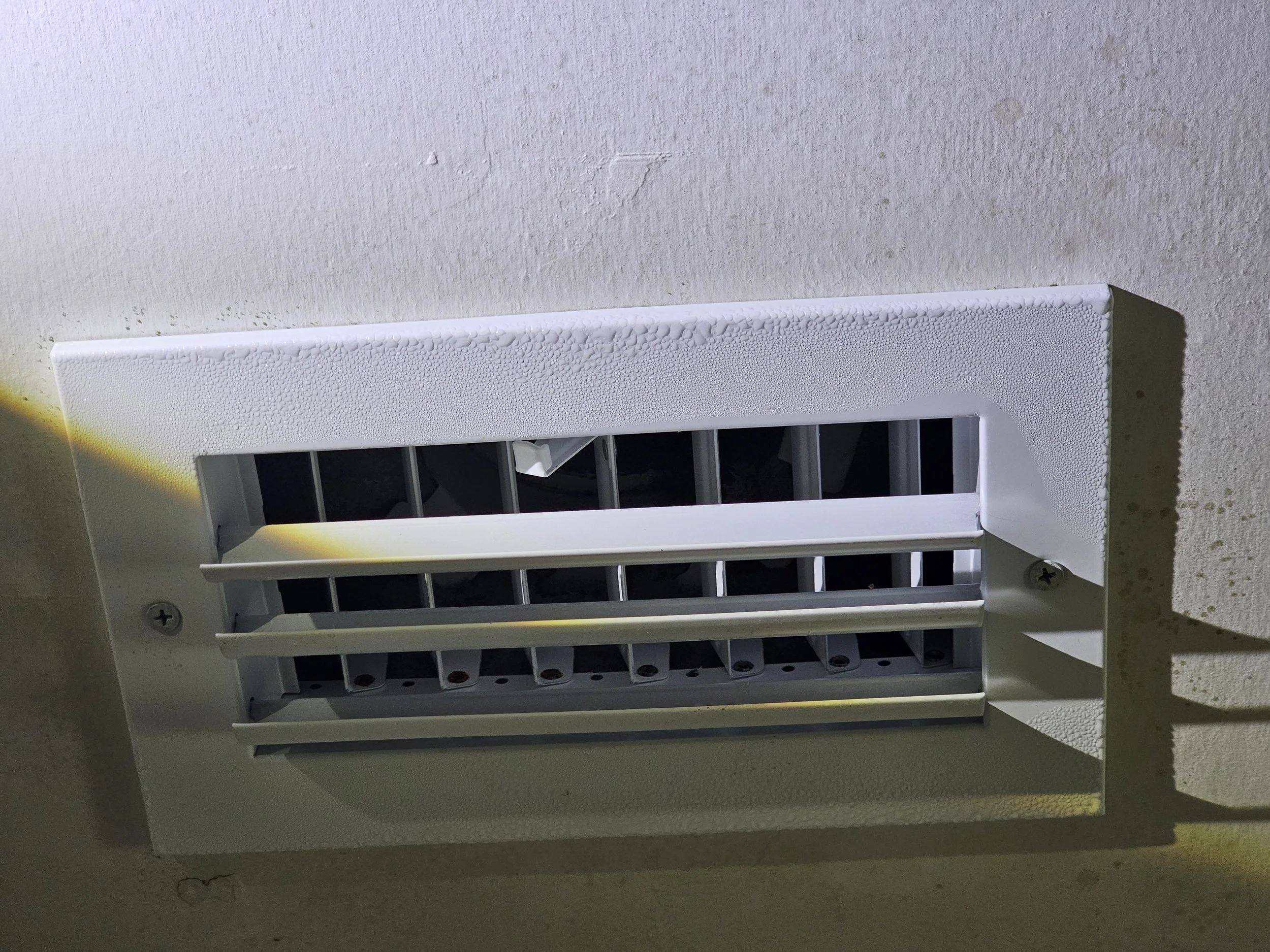
Where mold hides after a water event
The areas most prone to hidden mold growth are also the ones that hold moisture longest. In SWFL homes that typically means wall cavities behind drywall on exterior walls, subfloor materials under tile or hardwood, ceiling assemblies below a roof leak, and HVAC air handlers and ductwork.
None of these are visible during a standard walkthrough, which is the problem with relying on a visual check after a water event.
A common mistake: Homeowners dry the visible surface, assume the problem is resolved, and move on. Two to three weeks later they notice an odor, or symptoms, that trace back to growth that was already underway inside the wall before the surface ever looked dry.
Why DIY testing wastes critical time
Over-the-counter mold test kits are passive collection devices. They sit open in a room and collect whatever spores settle over 48 hours. They don't tell you where mold is growing, what species is present, or what concentration exists.
They also can't produce the documentation needed for insurance claims, real estate transactions, or contractor disputes. If you're weighing whether a DIY kit is enough, this post on what free and low-cost mold inspections actually include is worth reading first.
The time spent waiting on a kit is time moisture continues working inside your walls.
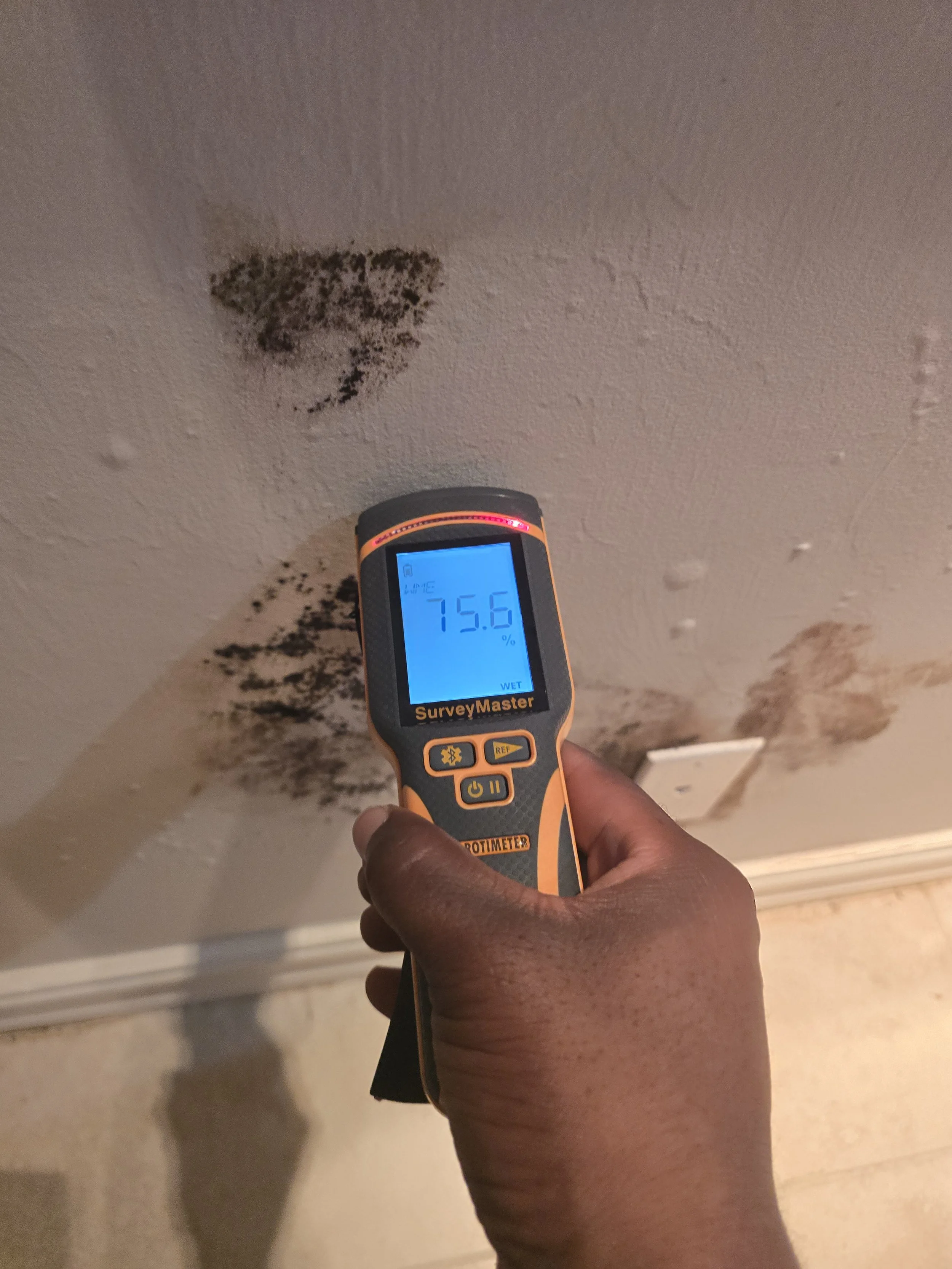
What to do immediately after water intrusion
The priority in the first 24 hours is stopping the moisture source and beginning mechanical drying. What runs parallel to that process, not after it, is understanding whether mold is already present or actively developing.
A licensed mold assessor can evaluate moisture levels in building materials using non-invasive meters, identify areas of concern that aren't visible, and help you understand whether the drying process is actually working before walls get closed back up.
In Southwest Florida, where humidity slows the drying process even under ideal conditions, that information is not a luxury. It's how you avoid a much larger problem three weeks later.
Had a recent water intrusion event in your SWFL home?
SWFL Mold Pros provides licensed, independent mold assessment services across Southwest Florida.
We help you understand what's happening inside your home before it becomes a larger problem.