What Florida Law Requires for Mold Professionals (And Why It Matters Who You Hire)
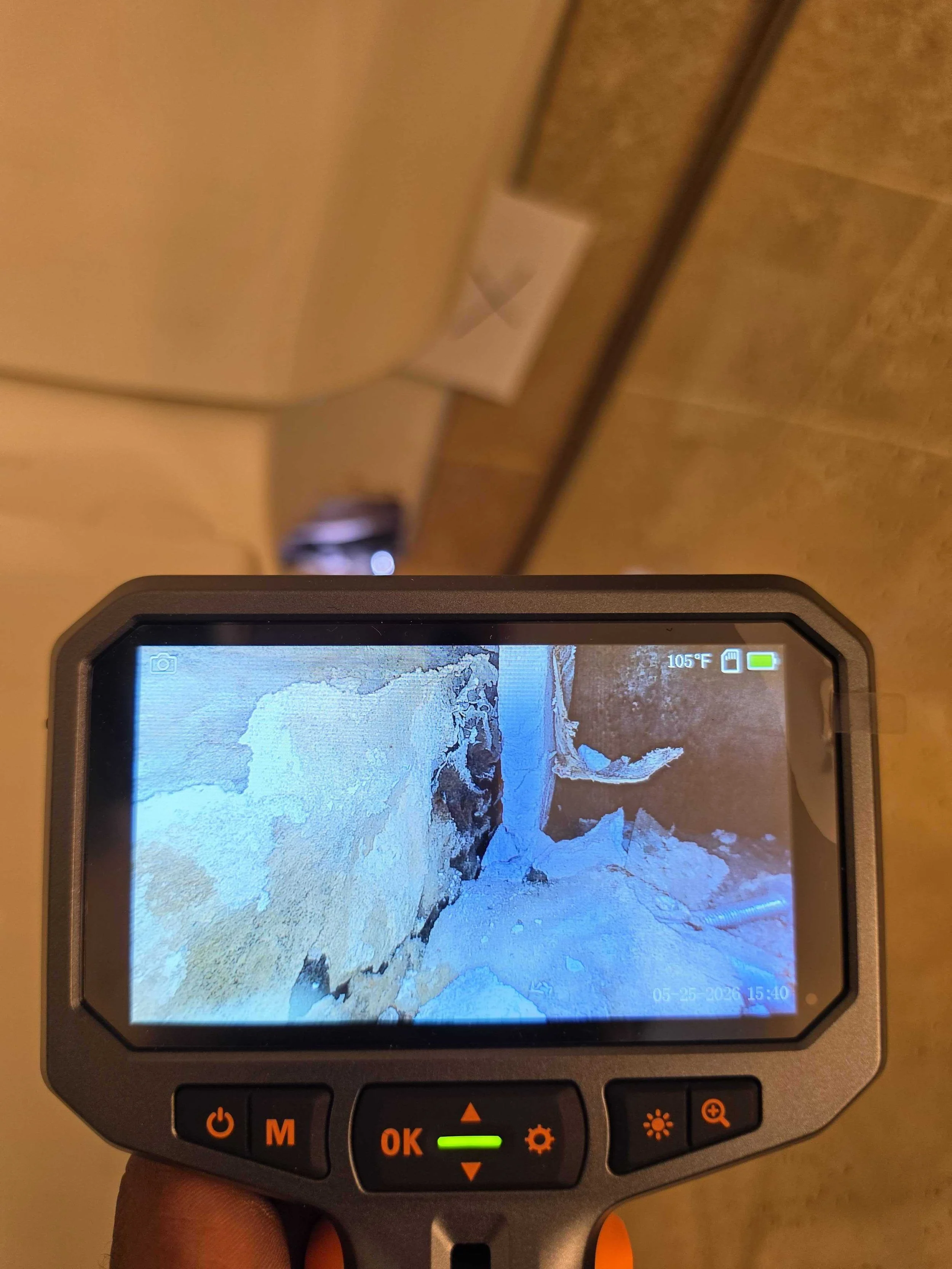
Florida law regulates mold assessment services under Chapter 468, Part XVI. This matters because the assessment process is designed to provide an independent evaluation of moisture conditions, suspected microbial growth, laboratory findings, and corrective recommendations before remediation work begins.
If you've ever searched "mold testing near me" in Florida, you've probably seen a wide range of companies offering inspections, tests, and assessments. Some are licensed professionals. Some are not. And most homeowners have no way to tell the difference — until something goes wrong.
What many people don't know is that mold assessment in Florida is a regulated profession, governed by state law. Understanding that distinction can save you from costly mistakes and protect your health, your property, and your legal standing.
What Florida Law Actually Says
Florida Statute 468, Part XVI established licensing requirements for mold-related services in the state. Under this law, anyone performing mold assessment — defined as inspecting, sampling, testing, or developing remediation protocols for mold — must hold a valid license issued by the Florida Department of Business and Professional Regulation (DBPR).
The law draws a clear line: mold assessment and mold remediation must be performed by separate, licensed entities. A company that remediates mold cannot also assess the same property. This isn't just a guideline — it's a legal requirement.
Why the Separation of Assessor and Remediator Matters
Think of it this way: you wouldn't hire the same contractor to inspect your home and then immediately sell you a renovation. The inspection should be objective. The inspector should have no stake in what they find.
Mold assessment works the same way. An independent, licensed mold assessor has one job: to accurately determine whether mold is present, identify its type and concentration, locate the source, and document findings in a formal written report. There is no financial incentive to overstate the problem — and professional liability to accurately report it.
What a Licensed Mold Assessor Provides
A licensed mold assessment professional will deliver more than just a visual check. A proper assessment typically includes:
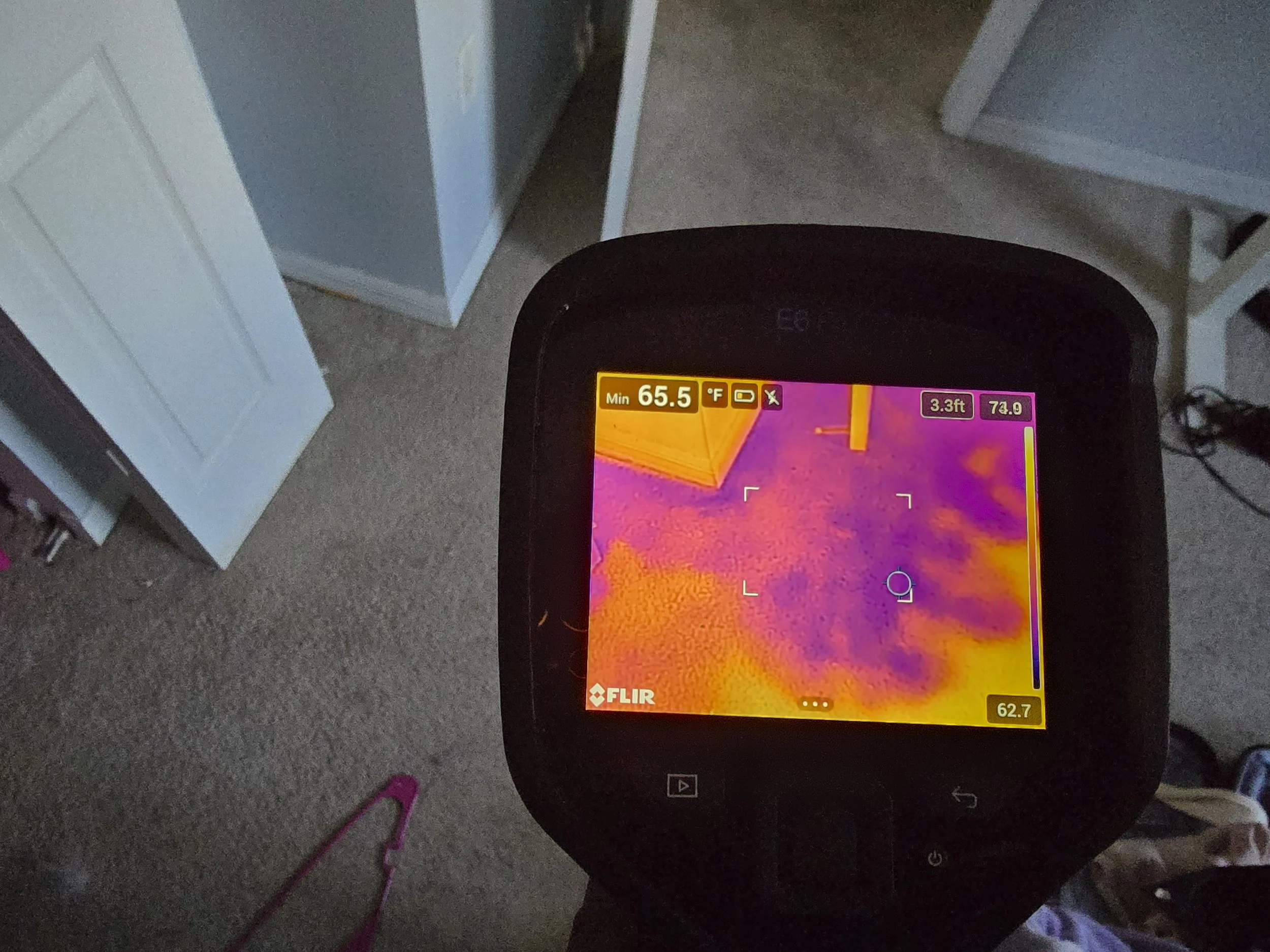
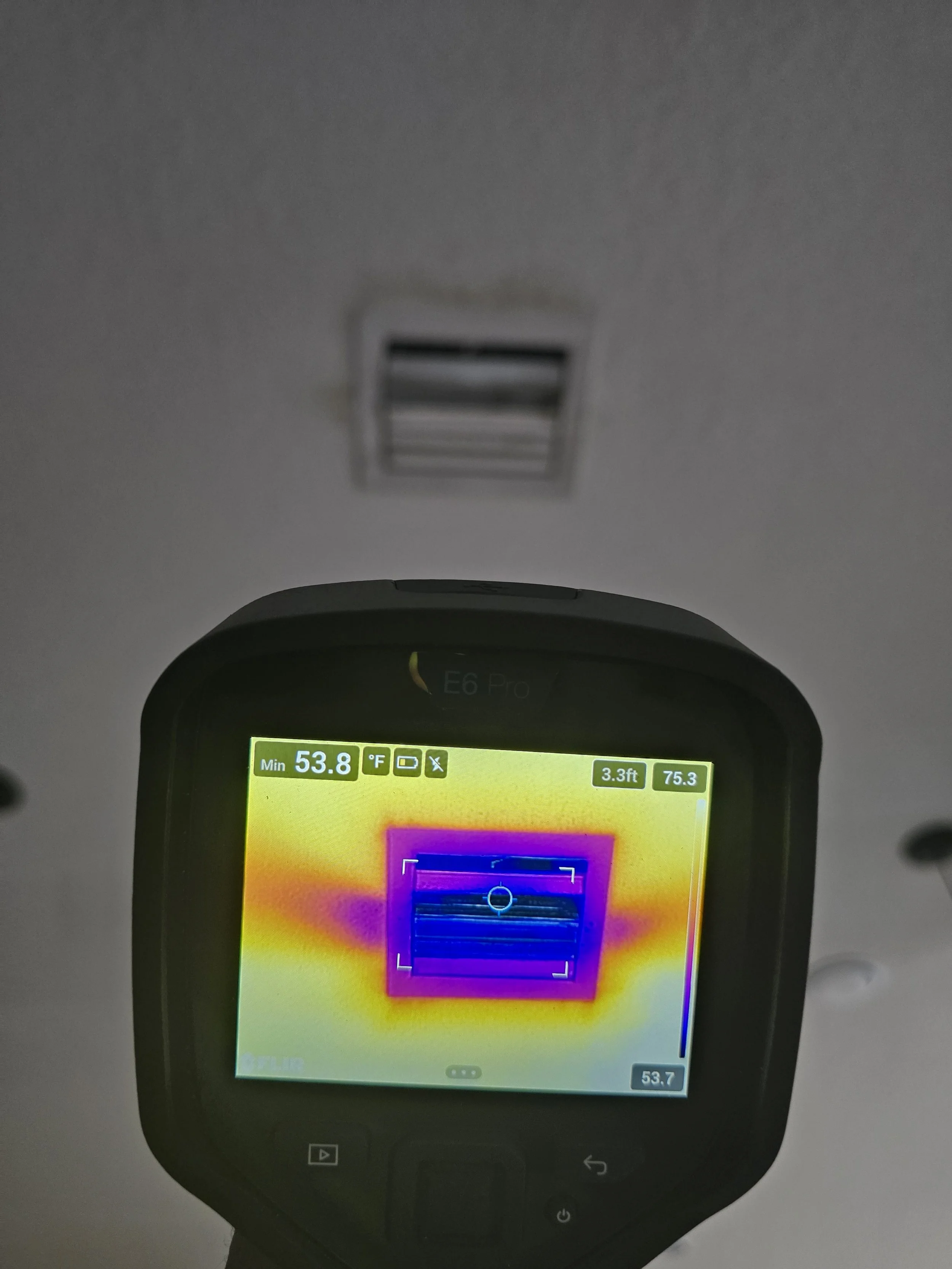
Visual inspection of the property for signs of moisture intrusion, water damage, and visible mold growth.
Air and surface sampling, collected and submitted to an accredited third-party laboratory.
A formal written mold assessment report prepared by a Florida Licensed Mold Assessor.
A remediation protocol (if mold is present) outlining the scope of work required.
Post-remediation verification to confirm the work was completed correctly.
Each step is documented. Each document carries legal weight — in insurance claims, real estate transactions, and property disputes.
Questions to Ask Before Hiring Anyone for Mold Testing
Before allowing any company to test your home for mold, it's worth asking a few straightforward questions:
1. Are you a licensed mold assessor in the state of Florida?
Ask for their DBPR license number.
You can verify it at myfloridalicense.com.
2. Do you also perform mold remediation?
If the answer is yes, they cannot legally assess and remediate the same property.
A "yes" here is a signal to look elsewhere for your assessment.
3. Do you use an accredited third-party laboratory?
Your samples should be analyzed independently — not in-house.
Ask for the lab name and accreditation.
4. Will I receive a written assessment report?
A licensed assessor is required to provide one.
If they're vague about documentation, that's a concern.
What This Means for Southwest Florida Homeowners
Southwest Florida's climate — high humidity, seasonal flooding, and hurricane exposure — creates conditions where mold growth is not uncommon. Whether you're a primary homeowner, seasonal resident, or real estate investor, mold assessment is something you may need to navigate at some point.
Florida law was written specifically to protect you in that moment. The requirement for separate, licensed professionals means that when you hire an independent mold assessor, their findings are not influenced by any downstream financial interest. What they report is what they found.
At SWFL Mold Pros, we operate exclusively as licensed mold assessors. We do not perform remediation. Our role is to give you an accurate, documented picture of what is — or isn't — present in your home, and to help you understand your options. If remediation is warranted, we can connect you with a licensed professional to perform that work.
That separation is not just how we choose to operate. It's what the law requires — and what your situation deserves.
Have questions about mold testing in your home?
SWFL Mold Pros provides licensed, independent mold assessment services across Southwest Florida. No remediation. No conflicts. Just accurate answers.