Can You Test for Mold Yourself? Why DIY Kits Fall Short
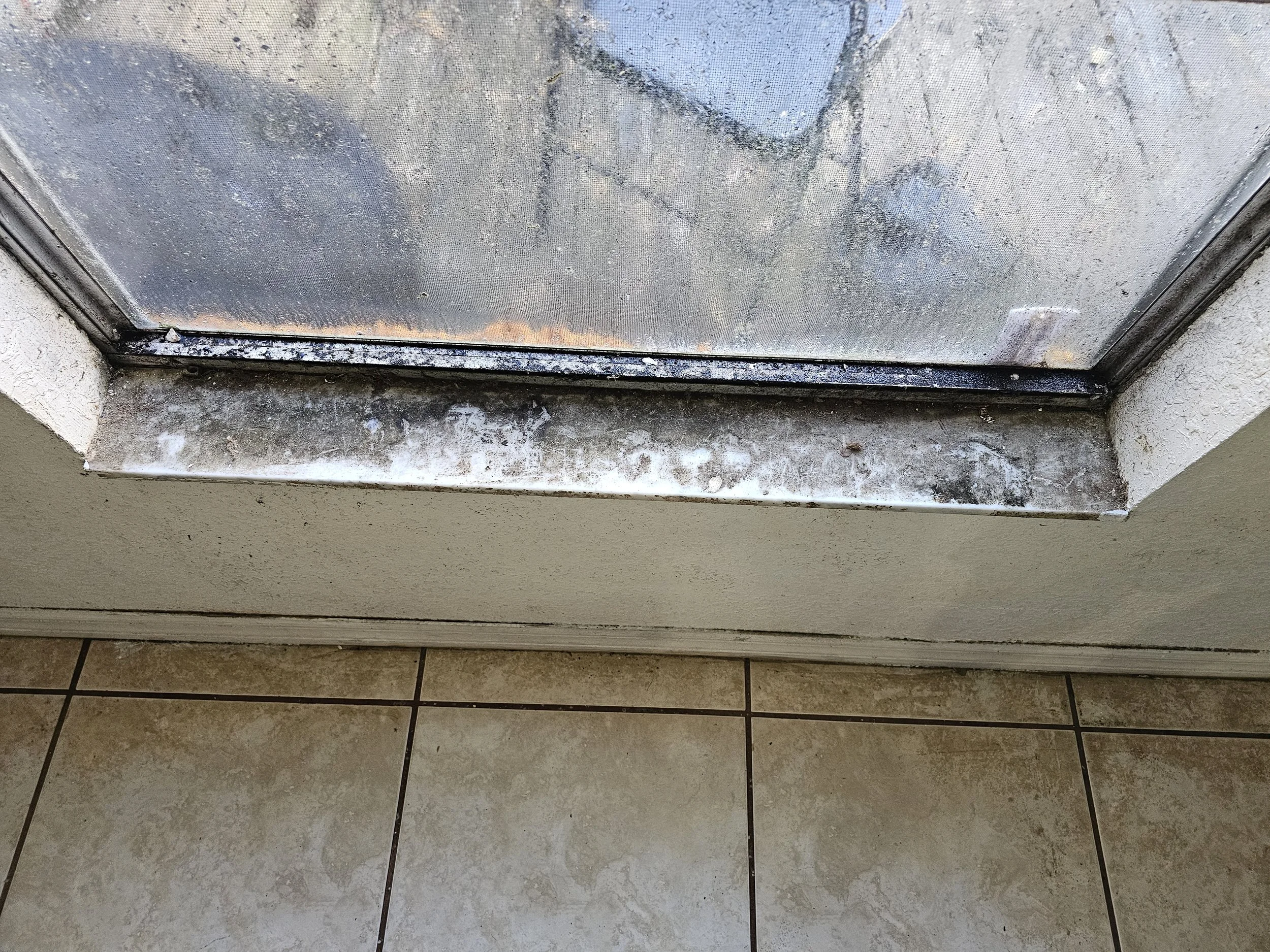
If you've noticed a musty smell or spotted something suspicious on a wall, your first instinct might be to grab a DIY mold test kit from the hardware store. It's cheap, it's fast, and it feels like you're taking control of the situation.
But here's the problem: those kits rarely give you the answers you actually need.
This post breaks down how DIY mold kits work, where they fall short, and when a professional mold assessment is worth it — especially in Southwest Florida's humid climate.
How DIY Mold Test Kits Work
Most over-the-counter mold kits use one of two methods:
Petri dish / settle plate sampling — You leave an open dish exposed to the air for a set period, then seal it and mail it to a lab.
Tape lift or swab sampling — You collect a surface sample from a visible area and send it in.
The lab identifies what types of mold are present and reports back with the findings.
Simple enough, right? The issue isn't the concept — it's everything the kit doesn't tell you.
The Problem With DIY Kits
1. Positive Results Are Almost Guaranteed — and Meaningless
Mold spores exist in virtually every indoor environment. Leave a petri dish open long enough and something will grow. That's not a sign you have a mold problem — that's just biology.
Without a baseline comparison to outdoor air or an understanding of what spore counts are considered elevated, a positive result tells you almost nothing actionable.
2. They Don't Find the Source
A DIY kit tells you mold may be present. It won't tell you where it's coming from, why it's there, or how far it's spread. In a humid climate like Southwest Florida, mold is almost always moisture-driven. If you don't identify and correct the moisture source, any remediation effort is temporary.
3. The Sampling Location Matters Enormously
Air sampling is highly location-sensitive. Results vary based on where samples are taken, HVAC activity at the time, recent cleaning, weather conditions, and airflow patterns. Without training in proper sampling protocols, you may collect samples that produce misleading results — either false reassurance or unnecessary alarm.
4. Lab Results Without Interpretation Are Just Data
Even if your kit comes with a lab report, most homeowners aren't equipped to interpret it. What's a normal Cladosporium count? Is Aspergillus/Penicillium at this level a concern? Is the indoor-to-outdoor ratio significant?
Context is everything in air quality testing — and kits don't come with a trained professional to provide it.
5. Insurance and Real Estate Situations Require Credentialed Reports
If you're dealing with an insurance claim, a real estate transaction, or a landlord-tenant dispute, a DIY kit result carries no weight. These situations require documented inspections and laboratory results tied to a licensed or certified inspector following recognized industry protocols.
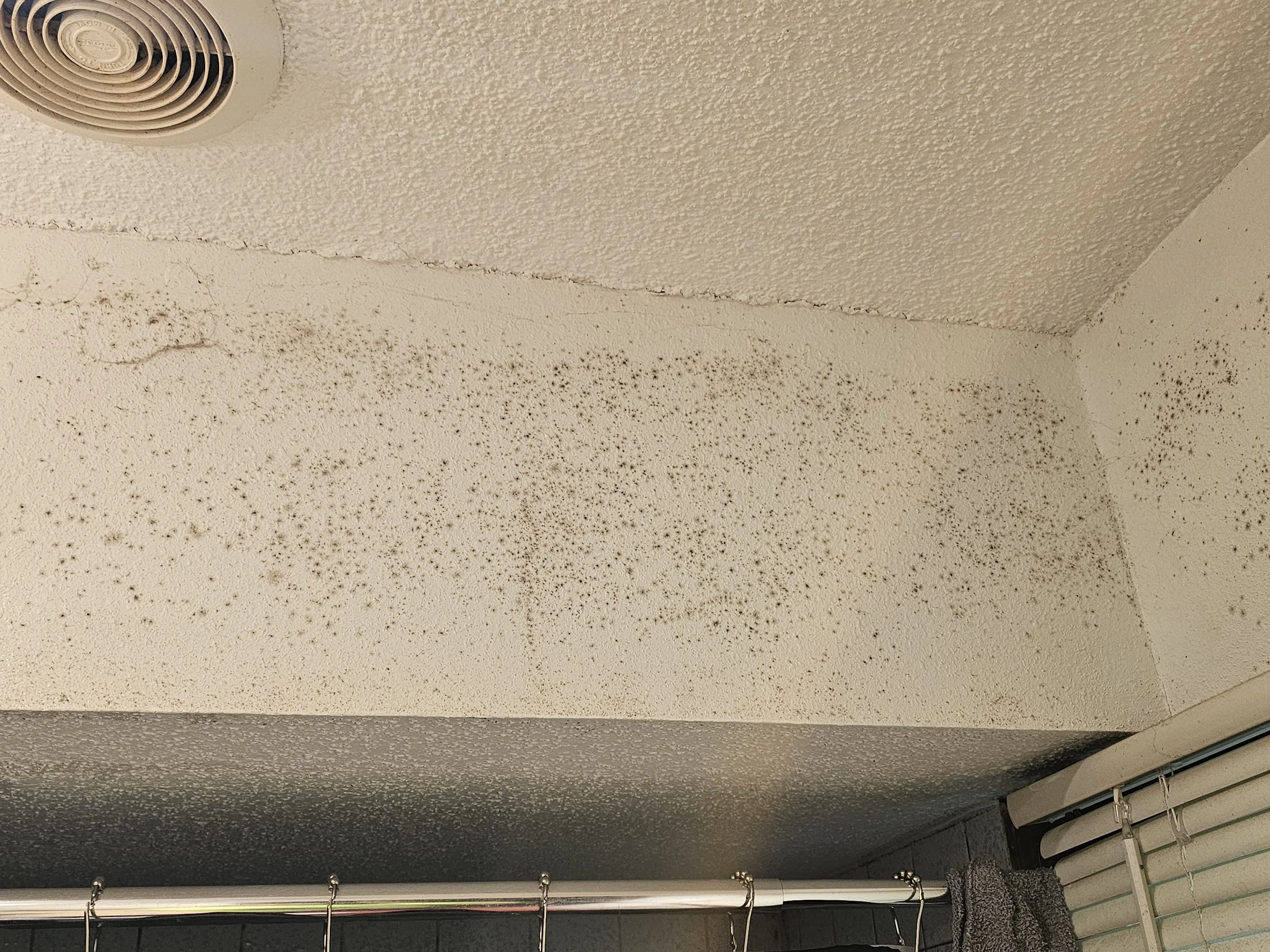
When a Professional Mold Assessment Makes Sense
You don't need a professional inspection for every situation — but there are clear cases where it's the right call:
You've had water intrusion, flooding, or a plumbing leak
You smell musty or earthy odors but can't find a visible source
Occupants are experiencing unexplained respiratory symptoms or allergy-like reactions
You're buying or selling a home and want objective documentation
A previous remediation was completed and you want post-clearance verification
Your HVAC system hasn't been evaluated and the home has been closed up for months (common in Southwest Florida seasonal homes)
What a Professional Assessment Actually Includes
A qualified third-party mold assessment goes well beyond what a kit can offer:
Mold Inspection vs Mold Testing: What You Actually Need (Before You Spend Money)
Visual inspection of the full property, including attic, crawl spaces, and HVAC components
Moisture mapping using calibrated meters to identify hidden moisture intrusion
Calibrated air sampling collected using standardized equipment and documented protocols
Accredited laboratory analysis with results interpreted in the context of your specific property
Written report with findings, photographs, and recommended next steps
Objective, non-biased perspective — because a company that only assesses (and doesn't remediate) has no financial interest in alarming you
That last point matters. When you hire a company that both inspects and remediates, there's an inherent conflict of interest. A third-party assessor's only job is to give you accurate information.
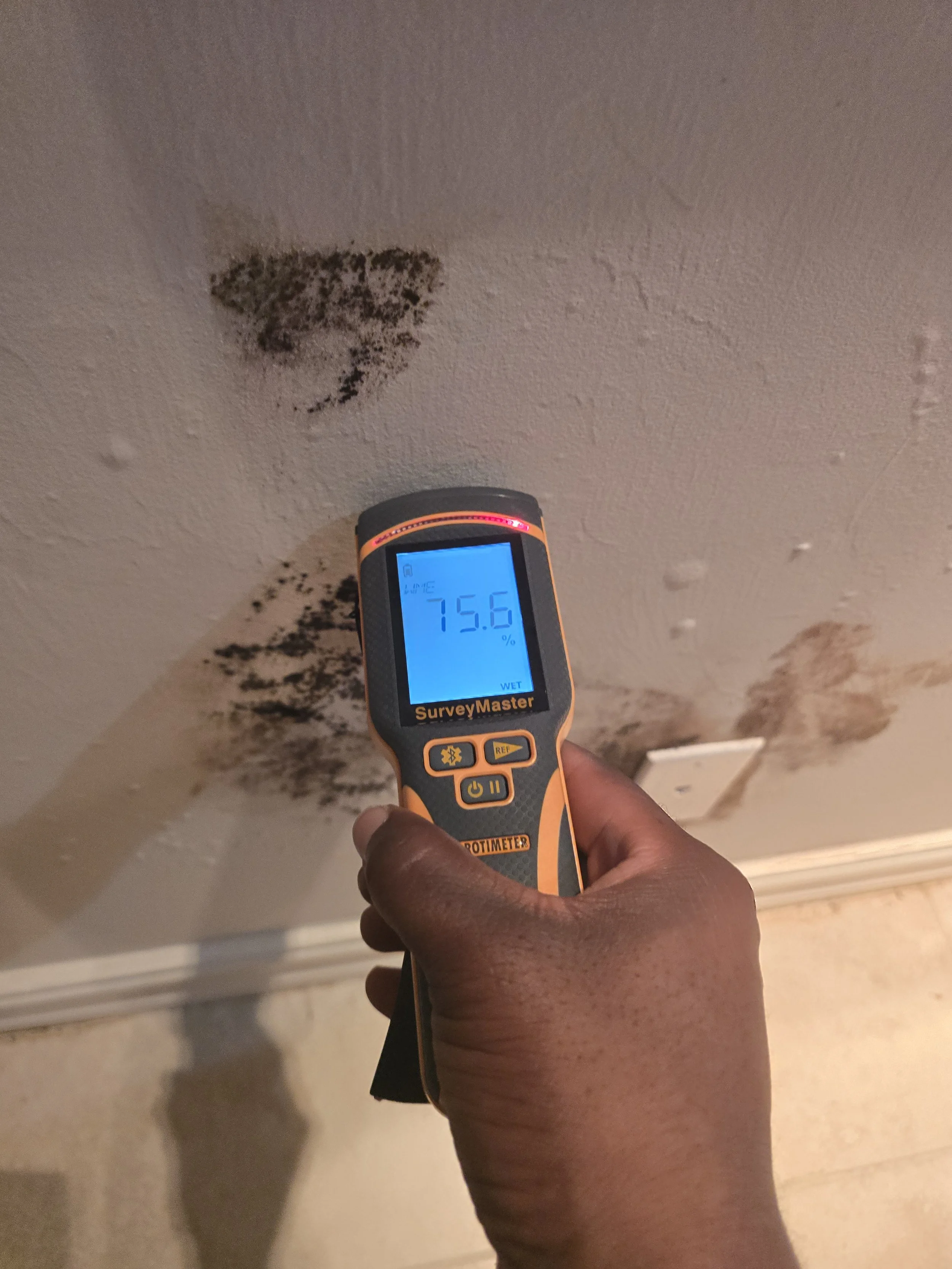
The Bottom Line
DIY mold kits have their place — satisfying curiosity, low-stakes peace of mind, or a starting point for a conversation. But if you're making real decisions about your home, your health, or a real estate transaction, they're not a reliable foundation.
In Southwest Florida, where high humidity, frequent rain, and seasonal home closures create ideal conditions for mold growth, a professional assessment gives you something a kit never can: clarity you can act on.
SWFL Mold Pros provides independent mold inspections, air quality testing, and post-remediation verification for homeowners, realtors, and property managers throughout Southwest Florida. We are a third-party assessment company only — we do not perform remediation, which means our findings are always unbiased.
Questions about your property? Contact us to learn more.
SWFL Mold Pros
239-510-8878