Signs You Might Have Hidden Mold in Your Home (Even If You Can’t See It)
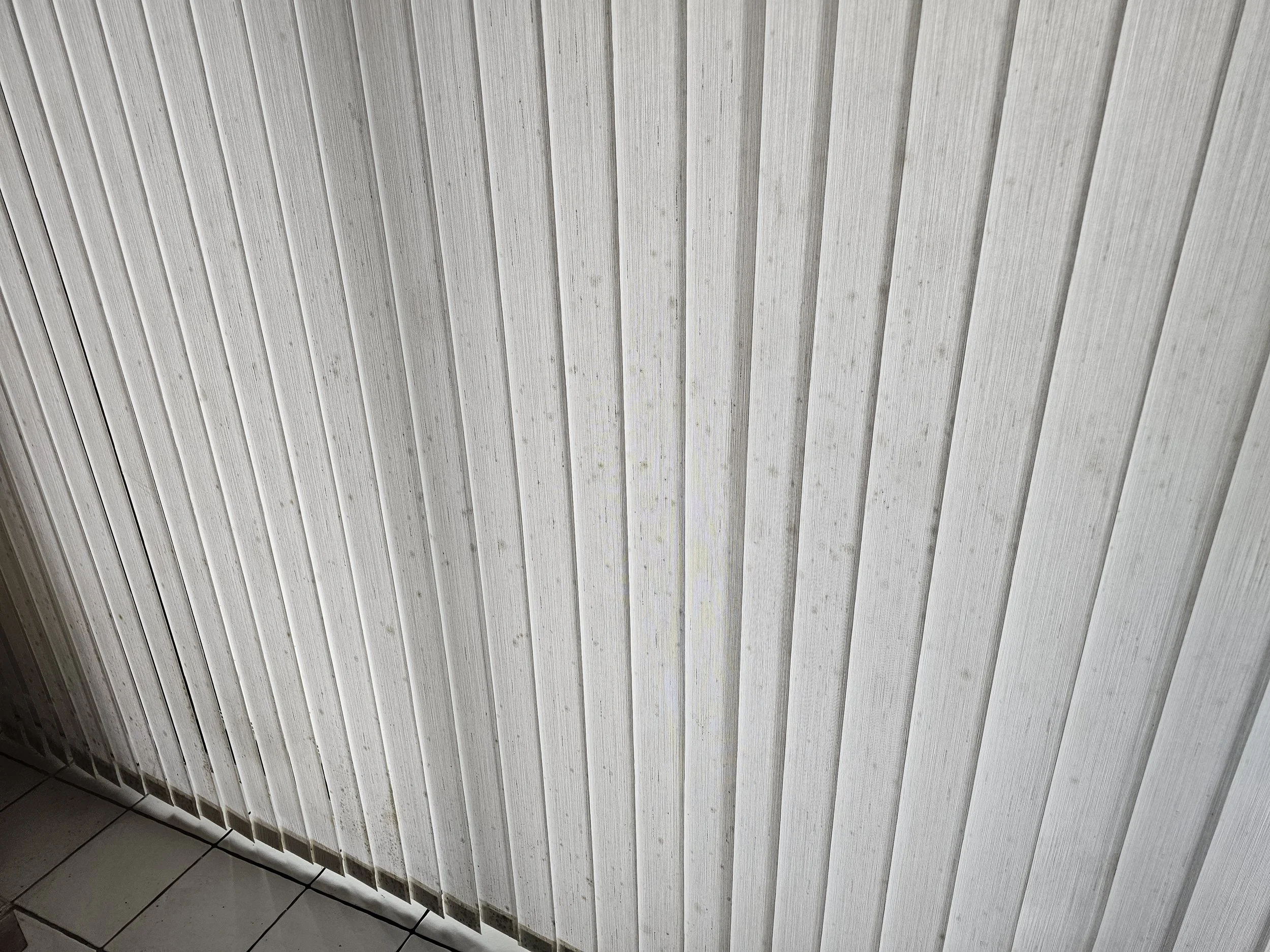
Could Mold Be Growing in Your Home Without You Knowing?
No visible mold?
That doesn’t always mean there isn’t a concern.
In Southwest Florida, many mold-related issues we identify during inspections are not immediately visible—often tied to moisture conditions, HVAC systems, or areas that aren’t easily seen during day-to-day living.
And here’s the reality:
By the time mold becomes obvious, the conditions supporting it have usually been present for some time.
Mold often leaves clues—you just need to know what to look for.
1. A Persistent Musty Odor
A musty or damp smell is one of the most common indicators of a potential mold issue.
Often described as:
• Earthy
• Stale
• Damp
You might notice:
• Stronger odor in certain rooms
• Smell that comes and goes with humidity
• Odor that doesn’t go away after cleaning
If the smell keeps returning, there’s usually an underlying cause.
2. History of Water Damage (Even If It Was “Fixed”)
Any past water intrusion increases the likelihood of mold development.
Common examples:
• Roof leaks
• Plumbing leaks
• Flooding or storm damage
• AC drain line backups
Even when repairs are completed, materials may have been affected at the time of the event.
We often evaluate homes where previous moisture issues contribute to ongoing concerns.
3. High Indoor Humidity Levels
In Southwest Florida, humidity alone can create conditions for mold growth.
When indoor humidity stays above 60%, it can support microbial growth—even without an active leak.
Signs of elevated humidity:
• Condensation on windows
• Home feels humid despite AC running
• Warped wood or cabinetry
This is one of the most overlooked contributors to indoor air quality issues.
4. Musty Smells When the AC Turns On
Your HVAC system can play a major role in indoor air quality.
Watch for:
• Musty odor when the AC starts
• Dust buildup or discoloration on vents
• Ongoing indoor air quality concerns
In many inspections, we identify conditions within the HVAC system that may contribute to odor or air quality issues.
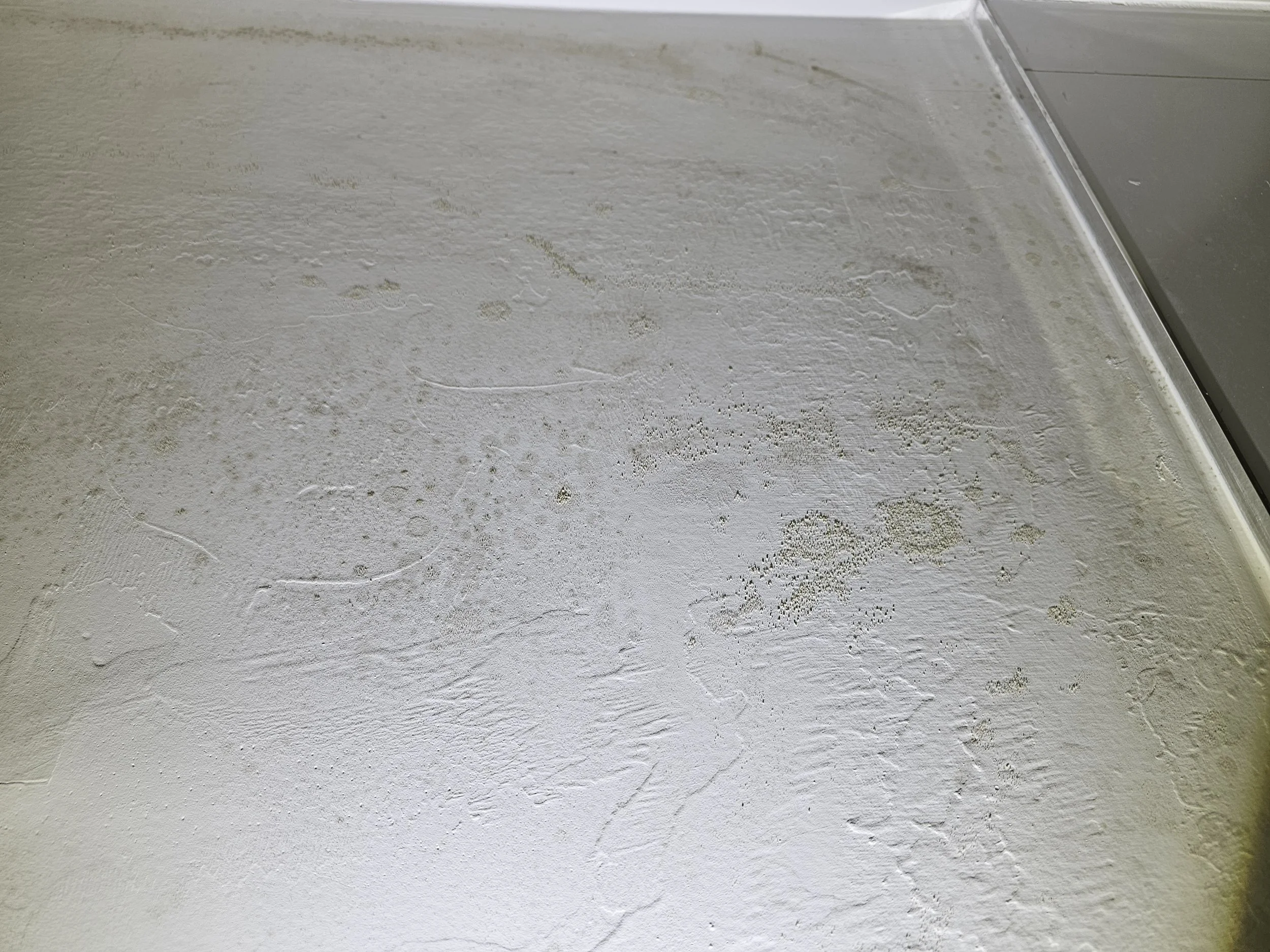
5. Discoloration or Staining on Walls and Ceilings
Not all staining is mold, but it can indicate moisture.
Look for:
• Yellow or brown spots
• Ring-shaped stains
• Peeling paint or bubbling drywall
These are signs of current or past moisture intrusion, which may create conditions for microbial growth.
6. Allergy-Like Symptoms Indoors
Some homeowners notice changes in how they feel inside the home.
Common symptoms:
• Sneezing or congestion
• Itchy eyes or throat
• Headaches or fatigue
A key pattern: Symptoms improve when you leave the home.
While not conclusive, this may indicate that indoor air quality should be evaluated.
7. Soft, Warped, or Deteriorating Materials
Moisture affects materials over time.
Watch for:
• Soft drywall or baseboards
• Warped flooring
• Swollen cabinetry
These changes suggest prolonged moisture exposure, which can support microbial growth conditions.
8. Mold in One Area Can Indicate a Larger Moisture Issue
If mold is visible in one location, it’s often connected to a moisture condition affecting that area.
Mold typically develops where:
• Moisture is present
• Airflow is limited
• Materials retain water
The visible area may be a symptom of a broader moisture-related issue.
Important: Air Testing Doesn’t Always Tell the Whole Story
One common misconception:
“If air samples are normal, there’s no mold.”
Air sampling reflects conditions at the time of testing, but it may not capture:
• Localized conditions
• HVAC-related issues
• Surface-level growth
This is why a complete inspection includes:
• Visual assessment
• Moisture detection
• Evaluation of contributing conditions
Not just air testing alone.
What This Means in Southwest Florida
Mold-related concerns in this region are often tied to:
• Humidity control
• HVAC performance
• Minor moisture issues over time
Many situations are manageable when addressed early.
The key is identifying the source of moisture and overall conditions, not just reacting to what’s visible.
Final Thoughts
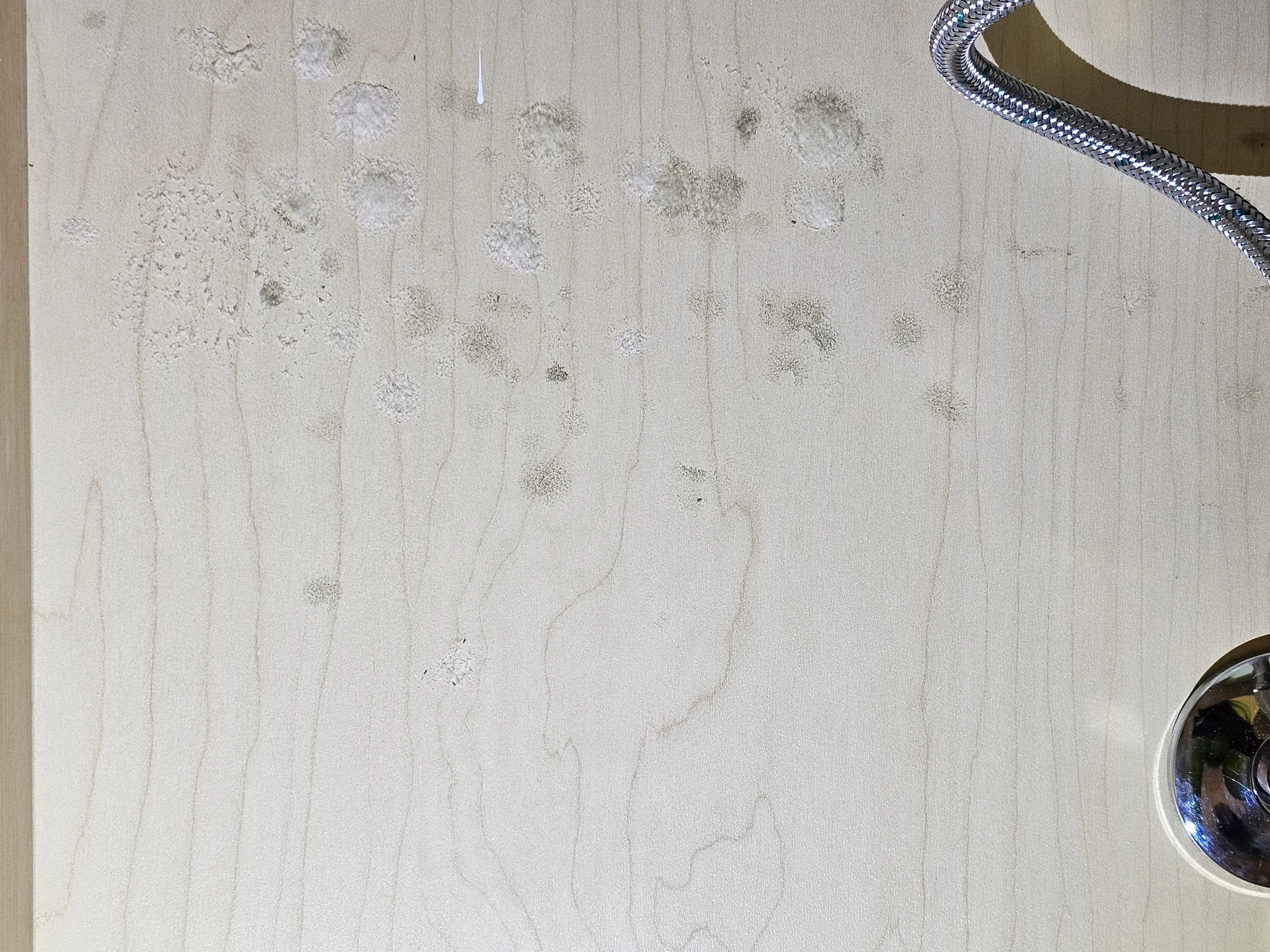
Not seeing mold doesn’t automatically mean there isn’t a concern—but it also doesn’t mean there’s a major issue.
If you’re noticing one or more of these signs, it may be worth taking a closer look.
Clarity is the goal—not assumptions.
Need Clarity on What’s Actually Going On?
If something feels off in your home but you’re not seeing anything obvious, the next step is understanding the conditions within the space.
At SWFL Mold Pros, we provide non-invasive, science-driven mold inspections and air quality testing throughout Southwest Florida.
Our process focuses on:
• Identifying moisture sources
• Evaluating indoor conditions
• Providing clear, unbiased results
If you want to better understand what’s going on in your home, we can walk you through it.
📞 239-510-8878