What to Do When You Find Mold in Your House (Step-by-Step Guide)
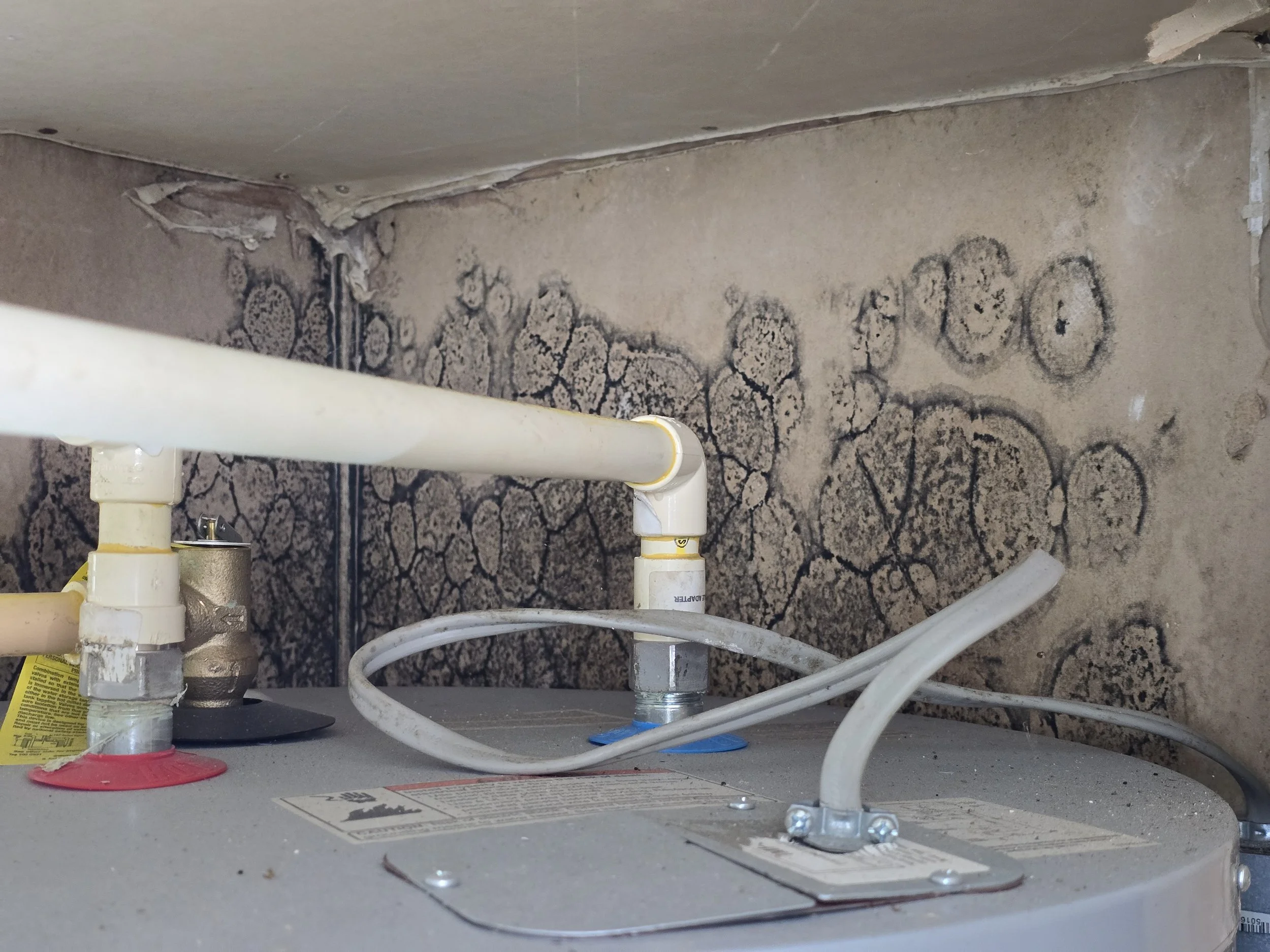
Found Mold in Your Home? Don’t Make This Mistake
Found mold in your home?
Most homeowners make the wrong move in the first 10 minutes—and it can make the problem worse.
Scrubbing, spraying, or disturbing the area too early can spread contamination, impact your HVAC system, and turn a small issue into a much bigger one.
Here’s exactly what to do next.
Step 1: Don’t Panic — Not All Mold Is a Major Problem
In Southwest Florida, mold is common due to high humidity—especially in areas like Naples, Fort Myers, Cape Coral, and Bonita Springs.
But not every situation requires full remediation.
What actually matters:
• Size of the affected area
• Type of material (porous vs. non-porous)
• Source of moisture
• Whether it’s active or from a past issue
The goal is simple: understand the situation before taking action.
Step 2: Do NOT Disturb the Area
This is where most people go wrong.
Trying to clean mold immediately can:
• Release spores into the air
• Spread contamination to other rooms
• Push particles into your HVAC system
Avoid:
• Scrubbing or wiping
• Spraying bleach or vinegar
• Running fans or air across the area
We’ve seen small, isolated issues turn into full-home contamination just from improper cleaning.
Leave it undisturbed until you know what you’re dealing with.
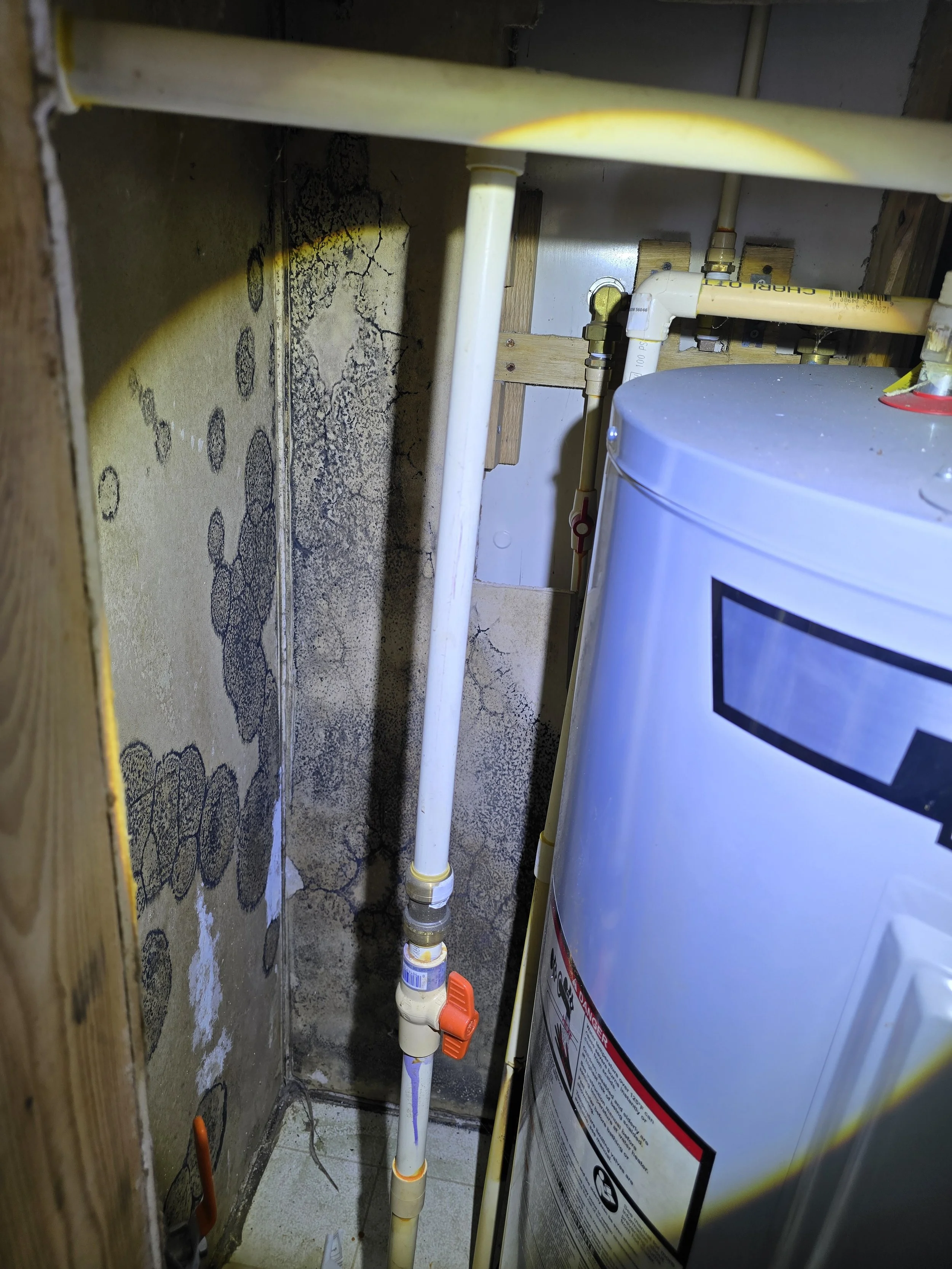
Step 3: Identify the Source of Moisture
Mold doesn’t grow without moisture—period.
Common sources:
• Roof leaks
• Plumbing leaks
• AC drain line issues
• High indoor humidity
• Poor ventilation
If the moisture source isn’t fixed, the mold will come back—no matter how well it’s cleaned.
Step 4: Is It Small or Potentially Bigger?
Use this quick framework:
Small, Isolated Areas (DIY May Be Possible)
• Less than ~10 sq. ft.
• On non-porous surfaces (tile, metal, glass)
• No signs of spreading
Larger or Uncertain Situations (Get It Evaluated)
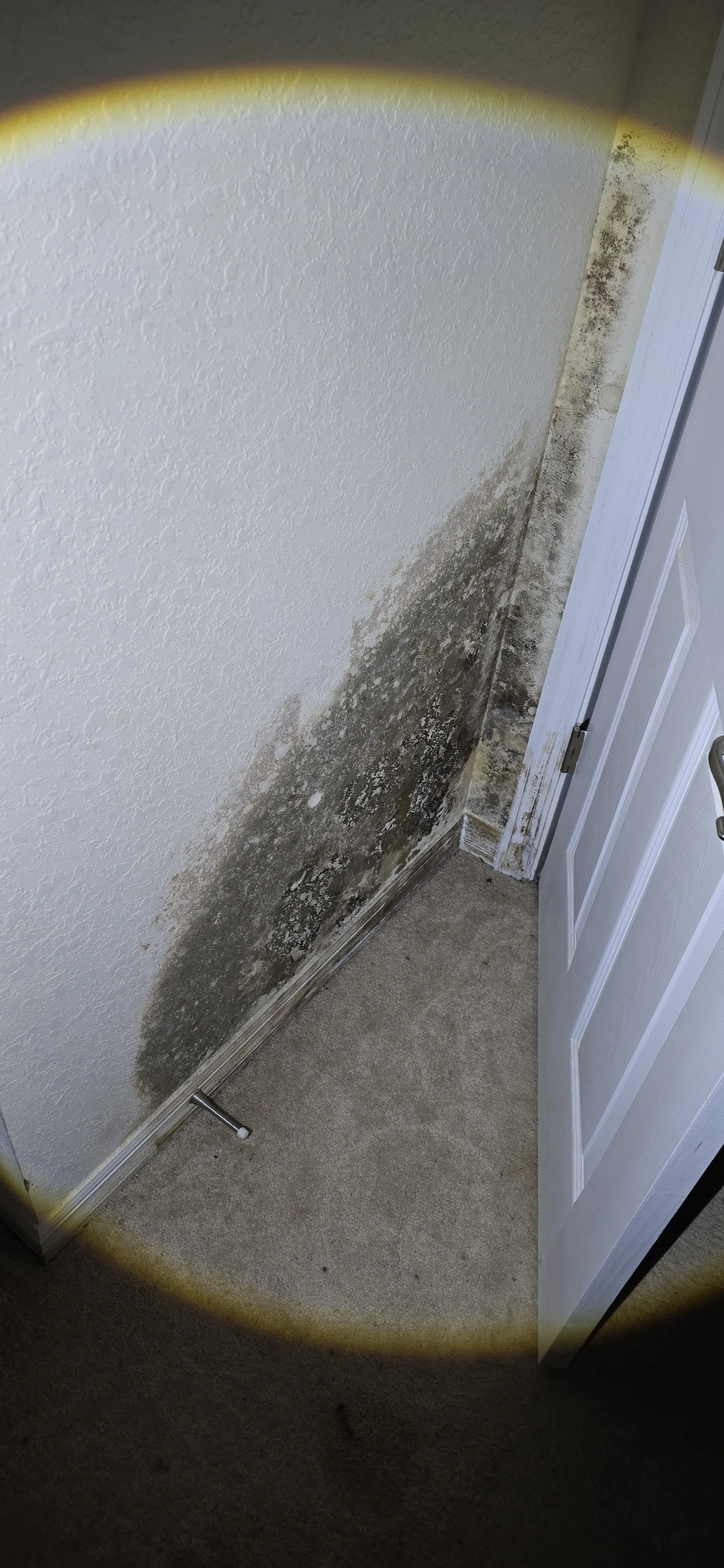
• Drywall, wood, or insulation affected
• Musty odors present
• Multiple areas showing signs
• History of leaks or humidity issues
• HVAC involvement
When in doubt, don’t guess—get clarity first.
Step 5: You Can’t Identify Mold by Sight Alone
A common misconception: “If I can see it, I know what it is.”
Not true.
• Different types of mold can look identical
• Some of the more concerning types aren’t visually distinguishable
• Appearance does NOT determine severity
The only way to know for sure is professional sampling and lab analysis.
Step 6: Be Careful with DIY Mold Test Kits
At-home mold test kits sound helpful—but they often create confusion.
Here’s why:
• Mold spores exist naturally in the air
• These kits almost always show “positive”
• They lack context and comparison
Without proper interpretation, results can be misleading and lead to unnecessary stress.
Step 7: Consider a Professional Mold Inspection
Mold Inspection vs. Mold Testing
A proper inspection goes beyond what you can see.
It typically includes:
• Full visual assessment
• Moisture detection and mapping
• HVAC system evaluation
• Targeted air and/or surface sampling
• Lab-based analysis
In many cases, the visible mold is only part of the picture.
The goal is to determine:
• Whether mold levels are elevated
• Where it’s coming from
• What (if anything) actually needs to be done
Mold Inspection vs. Mold Remediation (Know the Difference)
These are NOT the same:
• Mold Inspection / Testing → Identifies the problem
• Mold Remediation → Removes the problem
Working with an independent mold inspector ensures:
• No conflict of interest
• Unbiased results
• Clear, science-based recommendations
What This Means in Southwest Florida
Most mold issues here come down to:
• Humidity control
• HVAC performance
• Small moisture issues over time
When caught early, many situations are manageable.
The key is understanding what’s actually happening before taking action.
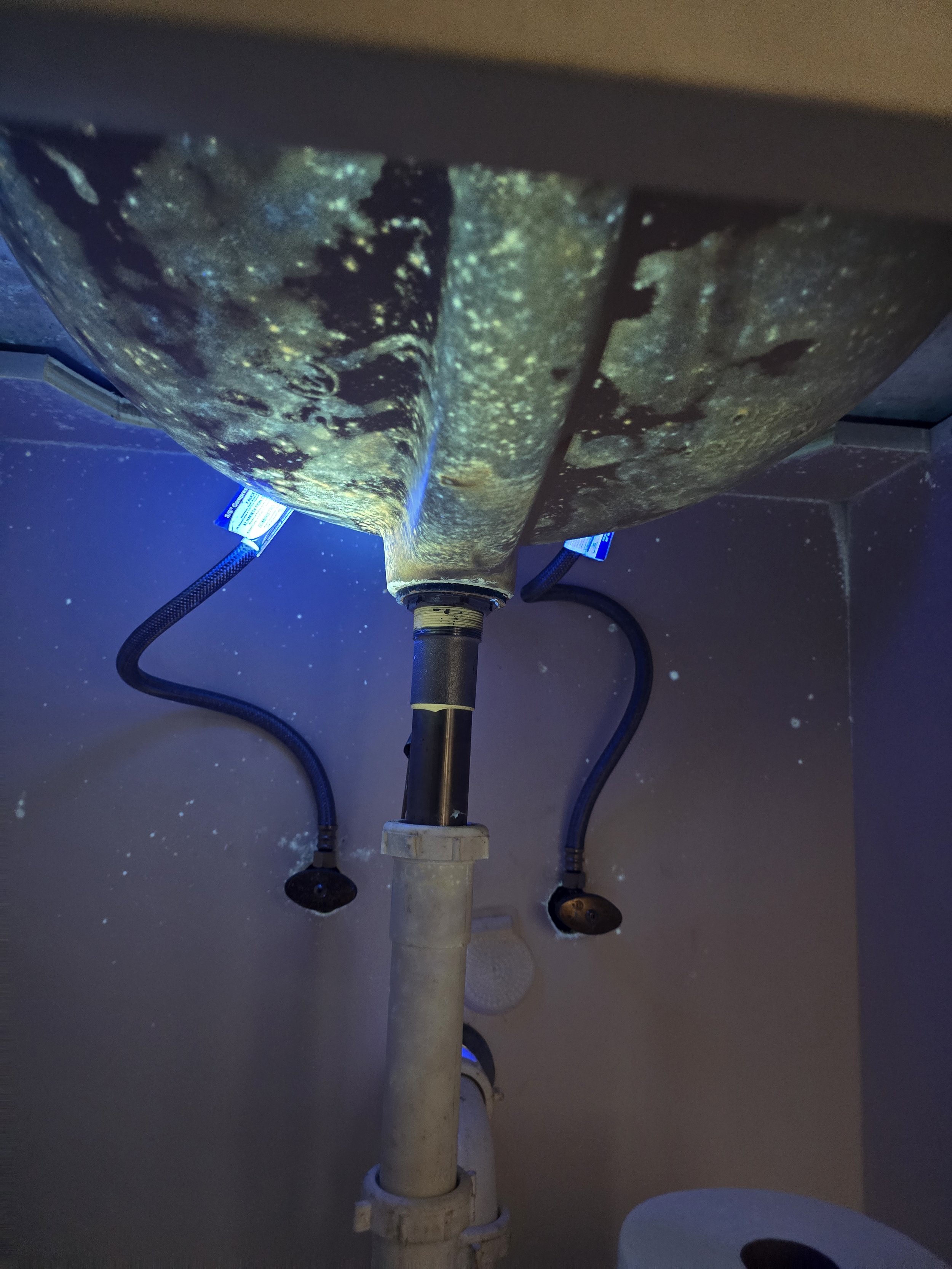
Final Thoughts
Finding mold doesn’t automatically mean you have a major problem—but it does mean you need to handle it correctly.
The right approach:
1. Don’t disturb it
2. Identify the moisture source
3. Assess the situation
4. Get clarity before acting
Making the right decision early can save you time, money, and unnecessary stress.
Need Clarity on Your Situation?
If you’re not sure whether what you’re seeing is a small issue or something larger, the next step is getting clarity before making a decision.
At SWFL Mold Pros, we provide science-driven mold inspections and air quality testing throughout Southwest Florida.
Our process is designed to give you:
• Clear answers
• Accurate, lab-backed results
• A straightforward path forward
If you want to understand exactly what’s going on in your home, we can walk you through it.
📞 239-510-8878