Mold Inspection vs Mold Testing: What You Actually Need (Before You Spend Money)
Mold Inspection vs Mold Testing in Southwest Florida Homes
Most homeowners assume they need mold testing—but the real issue isn’t choosing one or the other.
It’s understanding how they work together.
The real question is:
Are you getting a complete evaluation—or just part of the picture?
In Southwest Florida, mold issues are rarely caused by a single visible problem.
They’re typically the result of elevated humidity, HVAC performance, and hidden moisture conditions working together.
Understanding the difference between mold inspection and mold testing can help you avoid incomplete results, unnecessary confusion, and missed problems—especially in areas like Naples, Fort Myers, and surrounding SWFL communities where humidity creates ideal conditions for microbial growth.
What Is a Mold Inspection?
A mold inspection is a comprehensive evaluation of your home to identify conditions that may lead to mold growth.
This process typically includes:
• Visual inspection of interior spaces
• Moisture mapping to detect hidden water issues
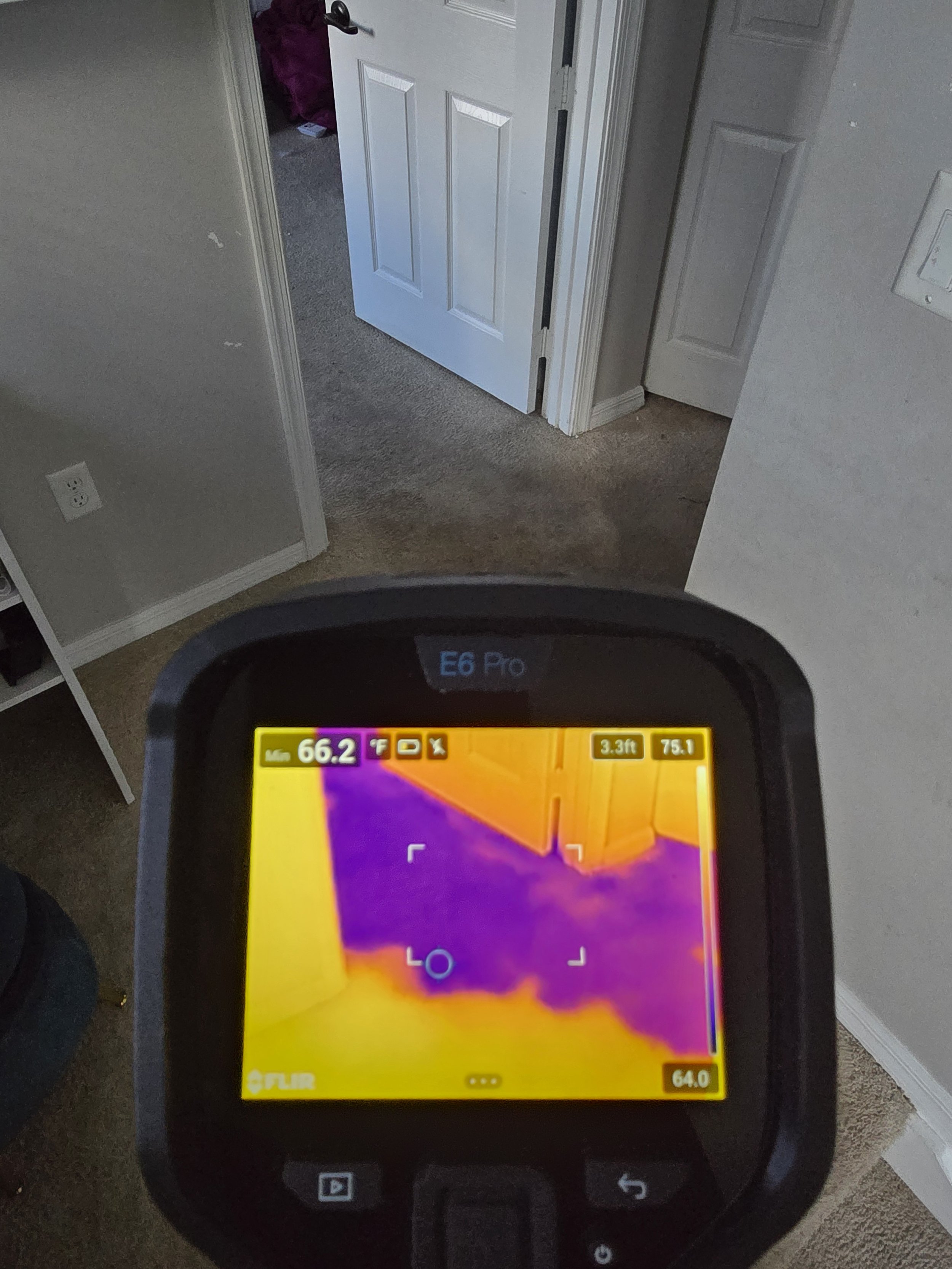
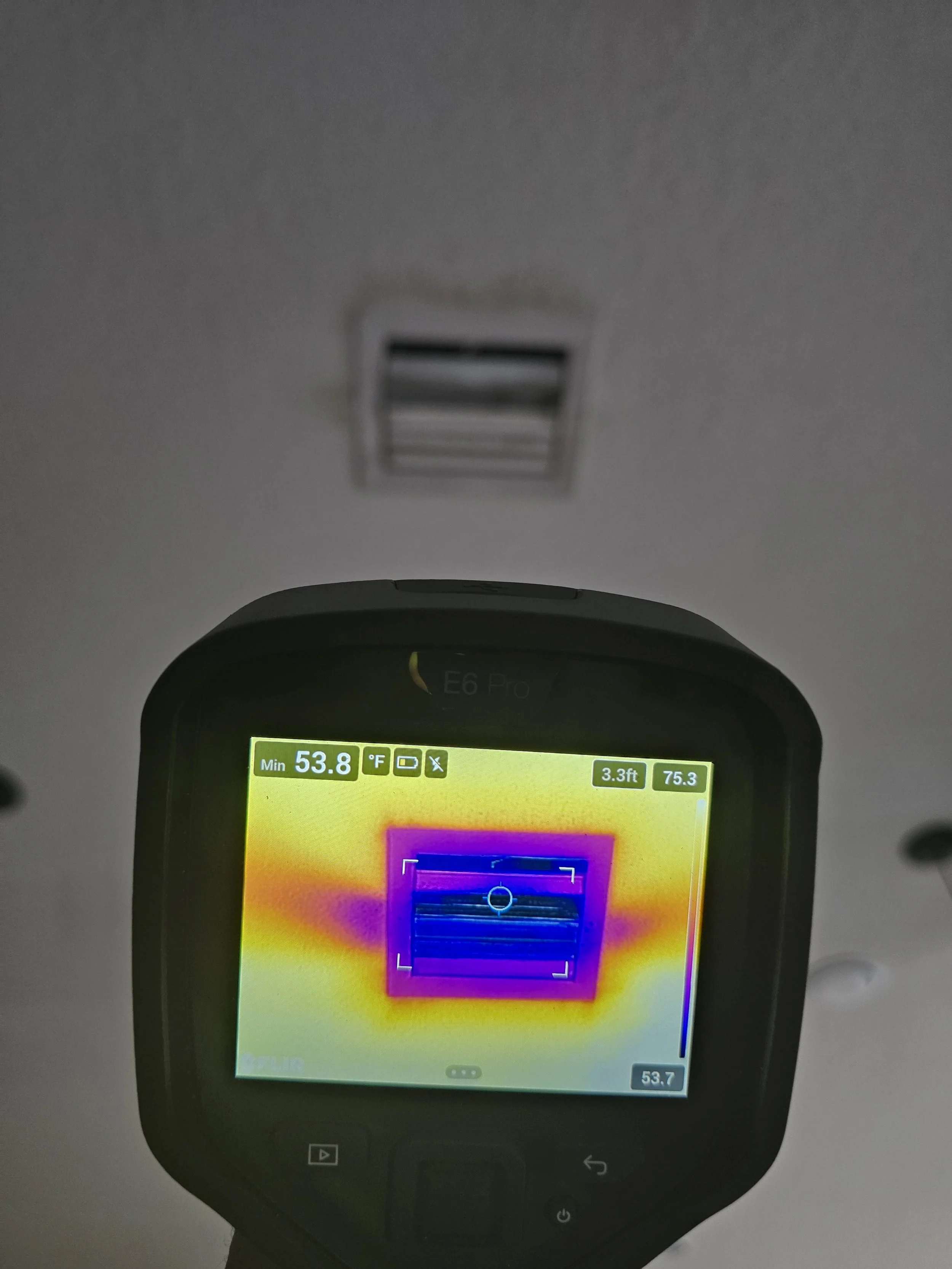
• Thermal imaging to identify thermal anomalies or temperature differences that may indicate potential moisture intrusion
• HVAC system evaluation
• Identification of areas of concern or suspected microbial growth
The goal of a mold inspection is to understand what’s happening in the home and identify conditions that could support mold growth.
What Is Mold Testing?
Mold testing involves collecting air or surface samples and sending them to a laboratory for analysis.
Testing is used to:
• Identify types of mold present
• Measure spore levels in the air
• Compare indoor air quality to outdoor conditions
Testing provides measurable data about what is present in the air—but it must be interpreted in the context of the inspection.
Why Mold Isn’t Always Visible
One of the biggest misconceptions is that mold must be visible to be a problem.
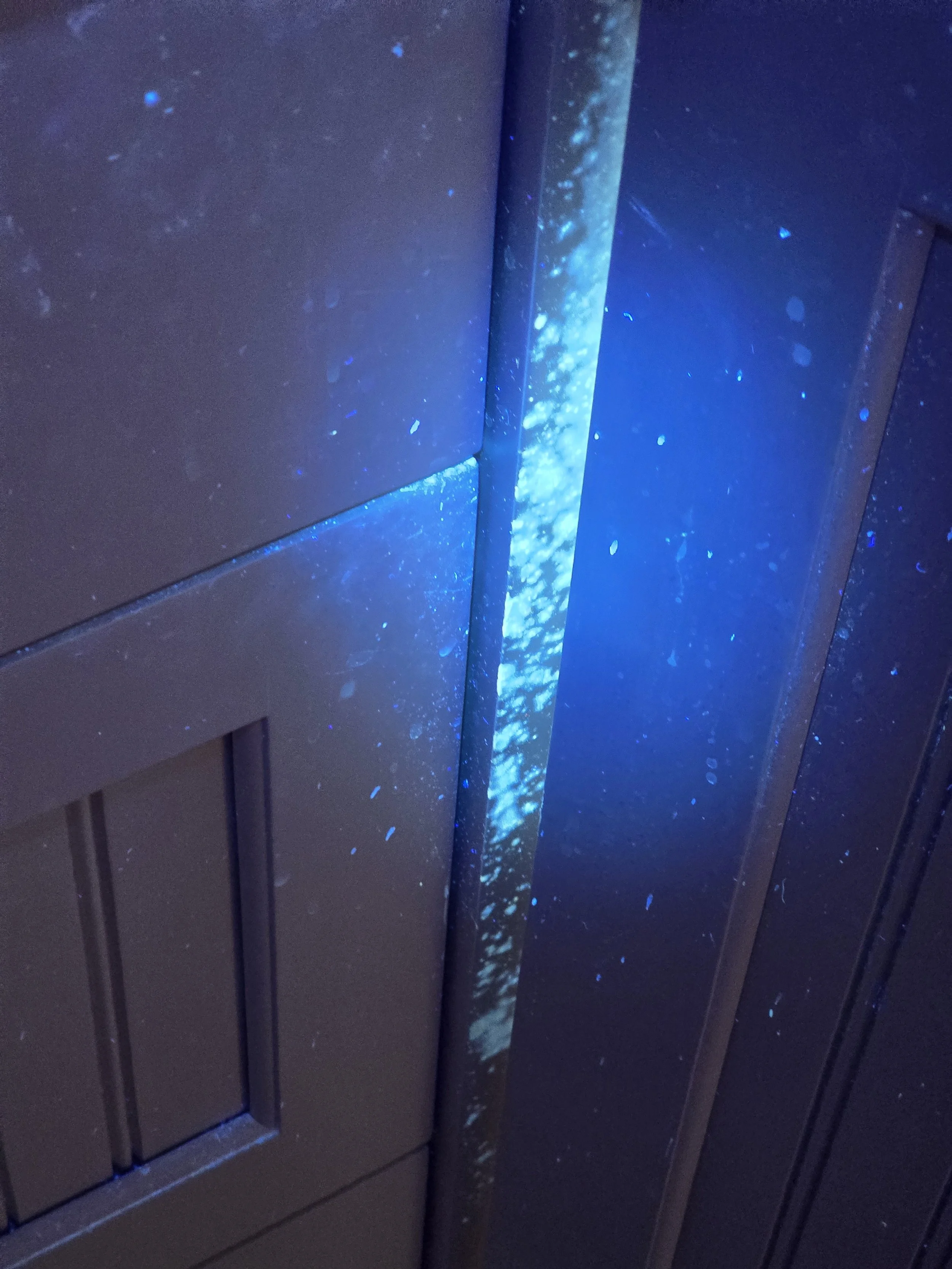
In reality, mold spores are microscopic—typically ranging from approximately 2 to 10 microns in size, small enough to remain airborne and circulate throughout the home via the HVAC system. For comparison, a human hair is roughly 70 microns thick.
Because of their small size:
• Mold spores can remain airborne for extended periods
• They can circulate through HVAC systems
• They may be present even when surfaces appear clean
• Contamination can exist in hidden areas without visible signs
A clean visual inspection does not always mean clean air—which is why testing plays a critical role in a complete evaluation.
What Most Homeowners Get Wrong
Many companies separate inspection and testing—or push one over the other.
This often leads to incomplete or misleading results.
Testing provides data. Inspection provides context. Without both, it becomes difficult to fully understand what’s happening inside the home.
Why We Use Both Inspection and Testing
At SWFL Mold Pros, we include both inspection and testing as part of our process.
This is because:
• Visual inspections cannot detect airborne mold spores
• Air quality can be affected even when no visible growth is present
• HVAC systems can distribute contamination throughout the home
• Hidden areas may contribute to elevated spore levels
Our process follows industry standards such as IICRC S520 and the Healthy Home Standard (HHS), which compare indoor air quality to outdoor conditions to determine whether mold levels are elevated.
In many homes, we find that air samples are not elevated, but surface samples or HVAC components show localized contamination.
This is why relying on air testing alone can miss important findings.
Testing allows us to verify what is actually present in the air—not just what can be seen.
How Testing Fits Into the Process
Testing is used alongside the inspection to:
• Establish a baseline of indoor air quality
• Compare indoor conditions to outdoor levels
• Detect airborne mold spores that are not visible
• Support findings with lab-based data
• Provide documentation when needed
This combined approach ensures that both visible conditions and airborne contaminants are properly evaluated.
Which One Do You Actually Need?
In most cases, you need both
• Inspection identifies the conditions
• Testing verifies the air quality
Together, they provide a complete understanding of the environment—allowing for accurate recommendations and next steps.
Our Approach at SWFL Mold Pros
At SWFL Mold Pros, we take a structured, science-driven approach to mold inspection and indoor air quality testing in Southwest Florida.
We perform a full inspection to evaluate the home, followed by targeted air and/or surface sampling to verify conditions.
This ensures:
• No guesswork
• No incomplete evaluations
• No reliance on assumptions
Just clear, accurate information based on both observation and data.
Before You Move Forward
Before scheduling any service, it’s worth asking:
Are you trying to check a box—or actually understand what’s happening in your home?
Because those are two very different outcomes.
Frequently Asked Questions
Do I need mold testing if I don’t see mold?
Yes, in many cases. Mold spores are microscopic and may be present in the air even when no visible growth is observed.
Can mold be present even if the home looks clean?
Yes. Airborne contamination and hidden growth can exist without visible signs.
Is testing enough on its own?
No. Testing without inspection lacks context and can lead to misinterpretation of results.
Why test if the inspection looks normal?
Because air quality cannot be fully evaluated through visual inspection alone.
Start with Clarity
If you're trying to determine whether there is a real issue—or simply want peace of mind—the first step is a complete evaluation, not a partial one.
We’ll assess the home, test the air, and explain exactly what the results mean so you can make a clear, informed decision.
Call or text: 239-510-8878
Visit:https://SWFLMoldPros.com