Why Snowbird Homes in Lee and Collier County Need Mold Testing Before You Move Back In
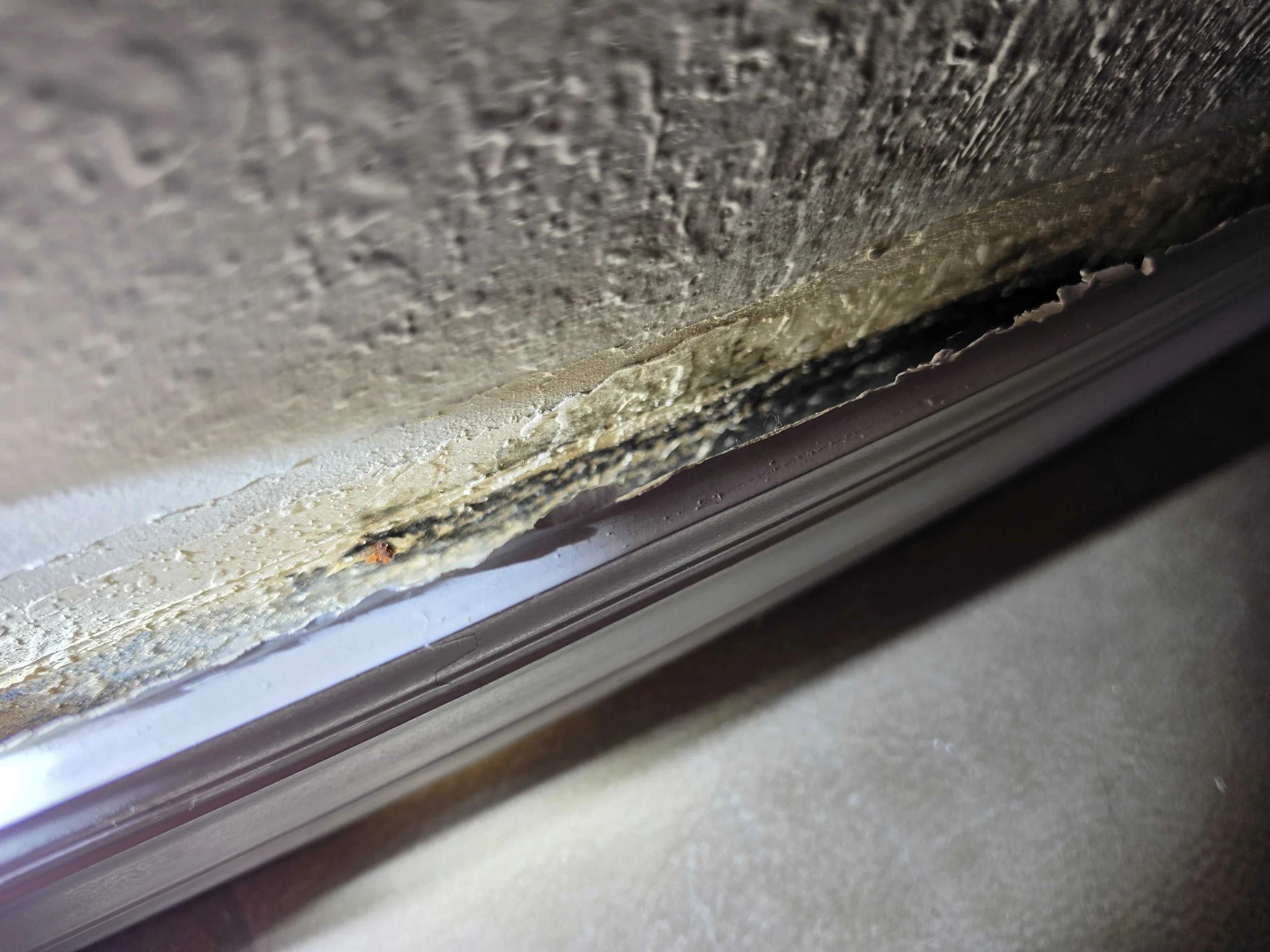
Every spring, thousands of seasonal residents leave their Lee and Collier County homes, locking the doors, setting the thermostat, and heading north for the summer. It's a familiar routine across Naples, Marco Island, Bonita Springs, and Fort Myers. What most homeowners don't fully account for is what happens inside those homes between May and October.
Florida's summer months bring sustained outdoor humidity between 80% and 90%, daily afternoon rainstorms, and temperatures that push well above 90 degrees. A home that's closed up, minimally air conditioned, and unoccupied for that stretch isn't just sitting idle. It's a controlled environment that favors mold growth in ways that aren't always obvious until you walk back through the door.
What happens inside a closed-up SWFL home
When a home is unoccupied for months in Southwest Florida, indoor humidity rises quickly, often above 70%, if the AC is set too high or turned off to save on energy costs. Without the circulation and dehumidification that comes from a functioning AC system, moisture accumulates on cooler surfaces: inside closets, behind furniture pushed against exterior walls, under sinks, and inside HVAC systems that aren't running consistently. By the time the home is reopened, mold may already be established in wall cavities, behind baseboards, inside air handler units, and in areas that receive little light or airflow.
A common scenario: A homeowner returns in October, notices a musty smell, assumes it will air out, and lives in the home for several weeks before realizing the smell isn't going away. By that point, whatever was growing during the summer has had additional time to spread.
Why the AC setting matters more than most people think
The most common summer home management advice, setting the thermostat to 85 or 86 degrees to save electricity, addresses temperature but ignores humidity. Air conditioning does two things: it cools the air and it removes moisture from it. When a system is set high enough that it rarely runs, it loses its dehumidification function almost entirely. Industry guidance for vacant homes in humid climates recommends keeping the thermostat between 74 and 78 degrees, not for comfort, but to ensure the system cycles often enough to keep indoor relative humidity below 60%.
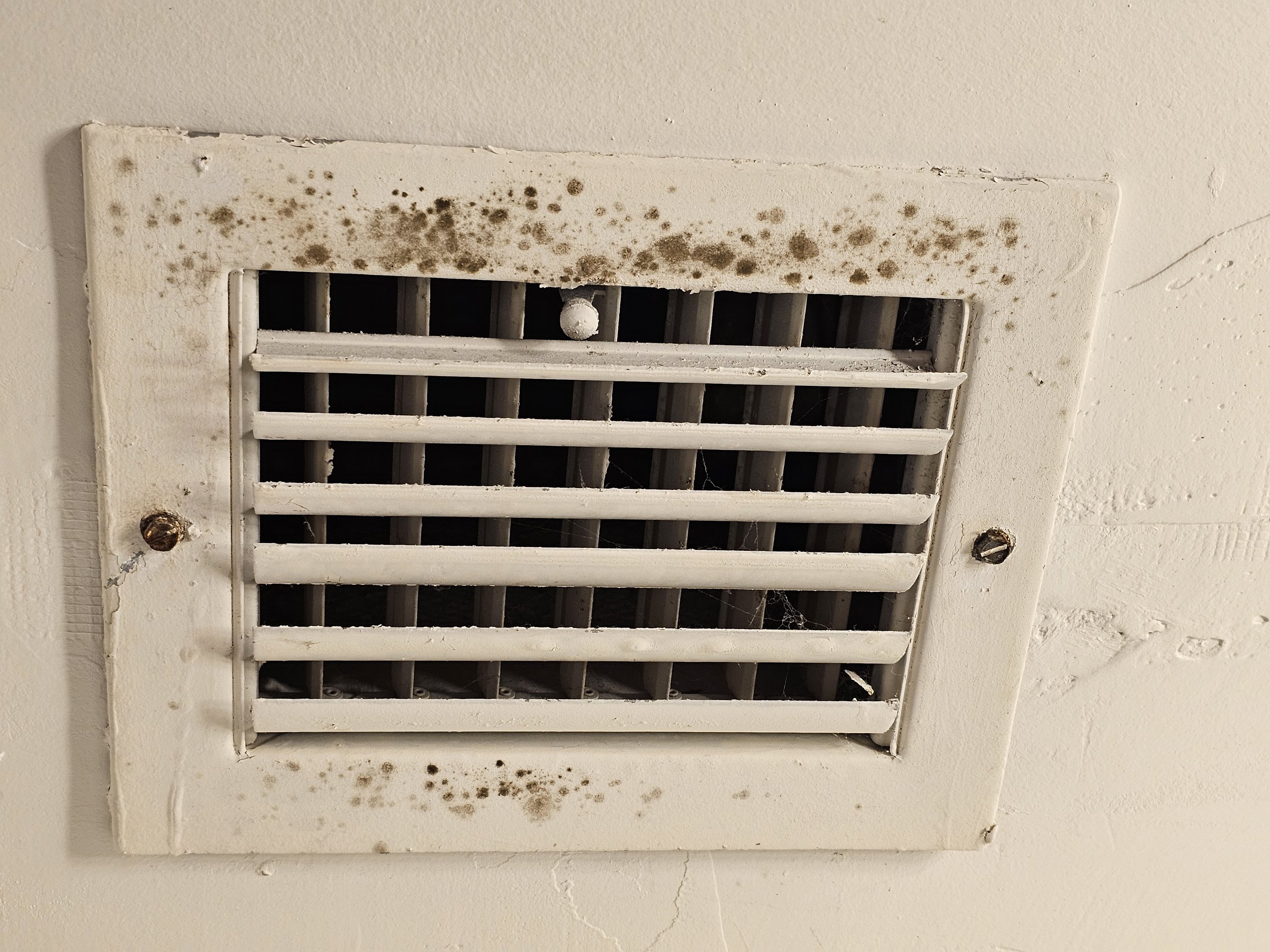
What to check when you return
HVAC air handler and drain pan, a common accumulation point when systems have run minimally or with standing water in the pan
Closets and interior rooms with limited airflow, especially on exterior walls
Under sinks, around supply lines, and near any plumbing fixture that may have developed a slow leak
Bathrooms and laundry areas, high-moisture zones even under normal use
Window and door frames on south and west exposures, which take the most direct summer sun and storm exposure
A note on home watch services
One of the most effective ways seasonal homeowners in Lee and Collier County protect their properties is through regular home watch visits during the summer months. Mold assessment and home watch work together: one identifies existing moisture and mold concerns, while the other helps identify developing issues before they become larger problems. If you've been away and want to know what you're returning to, a mold assessment at the start of the season gives you a clear, defensible baseline.
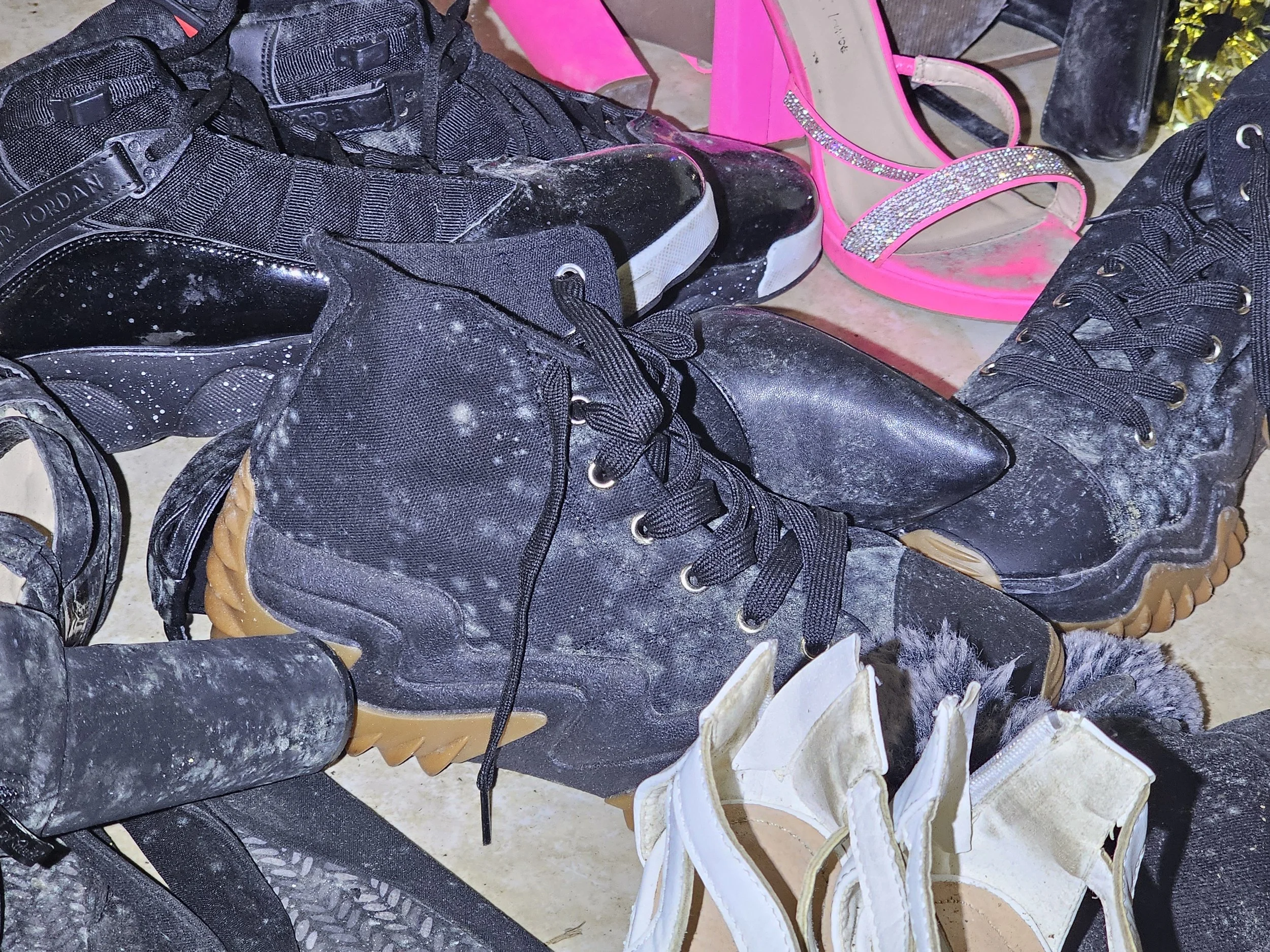
Returning to your SWFL home after the summer?
SWFL Mold Pros provides licensed mold assessments across Lee and Collier County.
Know what you're walking back into before you settle in.