Mold Test Results Explained: What Spore Counts and Species Actually Mean
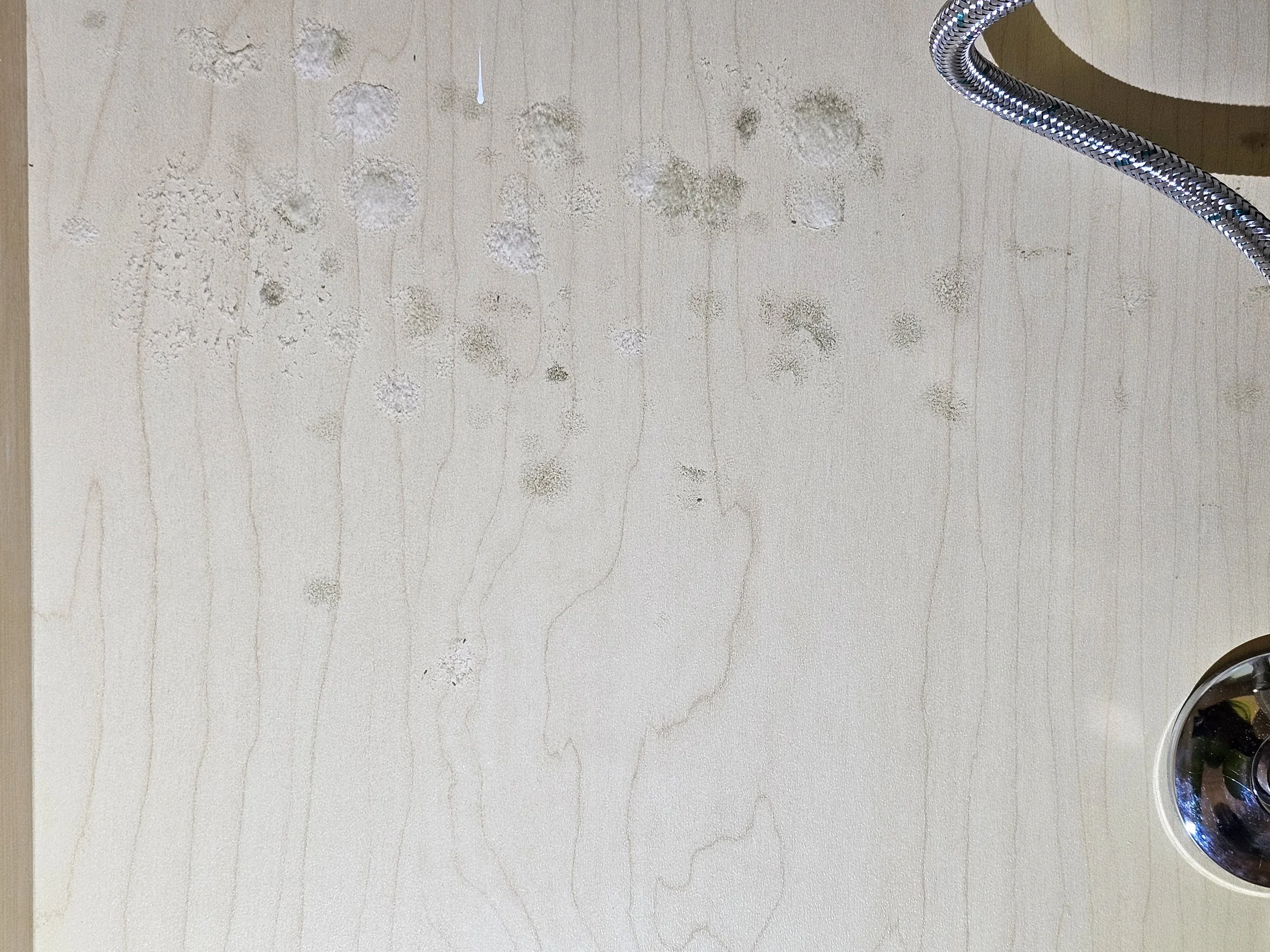
You scheduled a mold assessment, samples were collected, they went to a lab, and now you're staring at a report full of Latin species names, spore counts per cubic meter, and comparison columns you're not sure how to read. This is one of the most common points of confusion for homeowners and real estate clients in Southwest Florida. Understanding your mold test results doesn't require a background in microbiology. It requires knowing what questions the report is designed to answer.
What mold testing actually measures
Most professional mold assessments use air sampling as the primary method. A calibrated pump draws a measured volume of air through a collection cassette, which captures airborne particles including mold spores onto a surface analyzed under a microscope at an accredited laboratory. The lab identifies what spore types are present and counts how many were captured per cubic meter of air sampled. Surface samples, tape lifts or swabs from a visible growth area, confirm what's growing on a specific surface rather than what's circulating in the air.
How to read spore counts
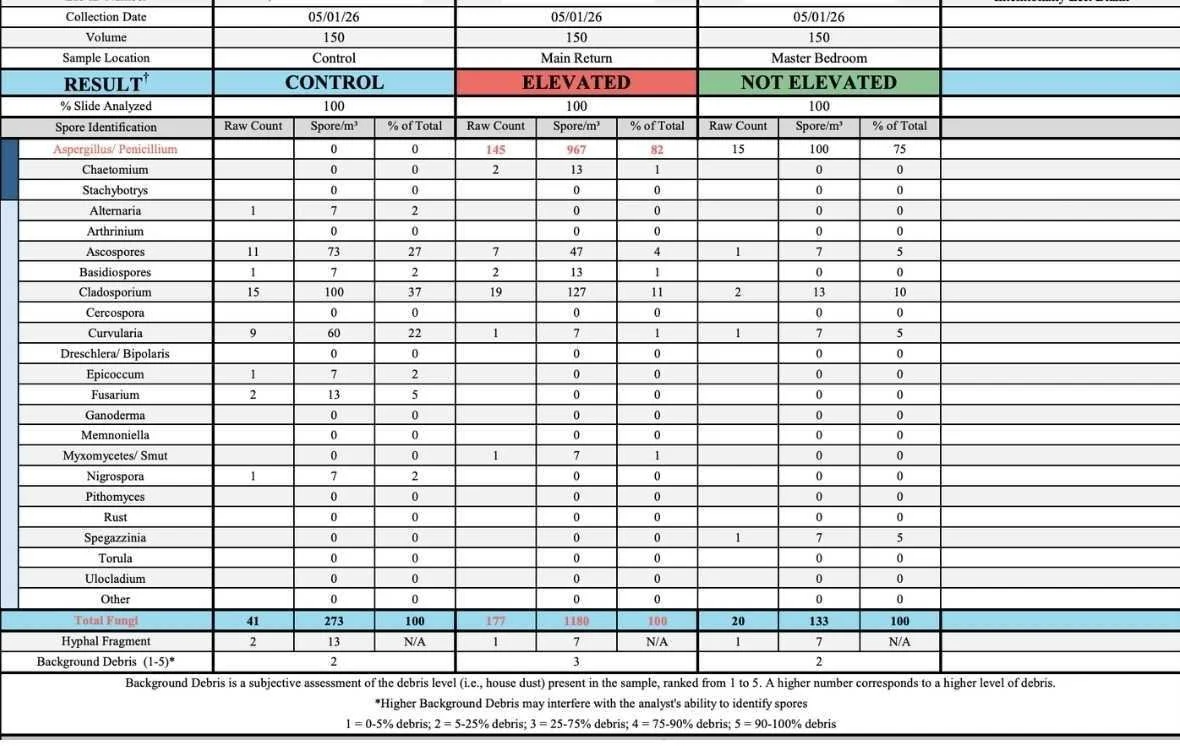
Spore counts are not interpreted in absolute terms. What makes air sampling useful is the comparison between an indoor sample and an outdoor control sample collected at the same time. The outdoor sample establishes the ambient baseline. If indoor levels of a particular spore type are significantly elevated compared to the outdoor baseline, that elevation suggests an indoor source.
The key principle
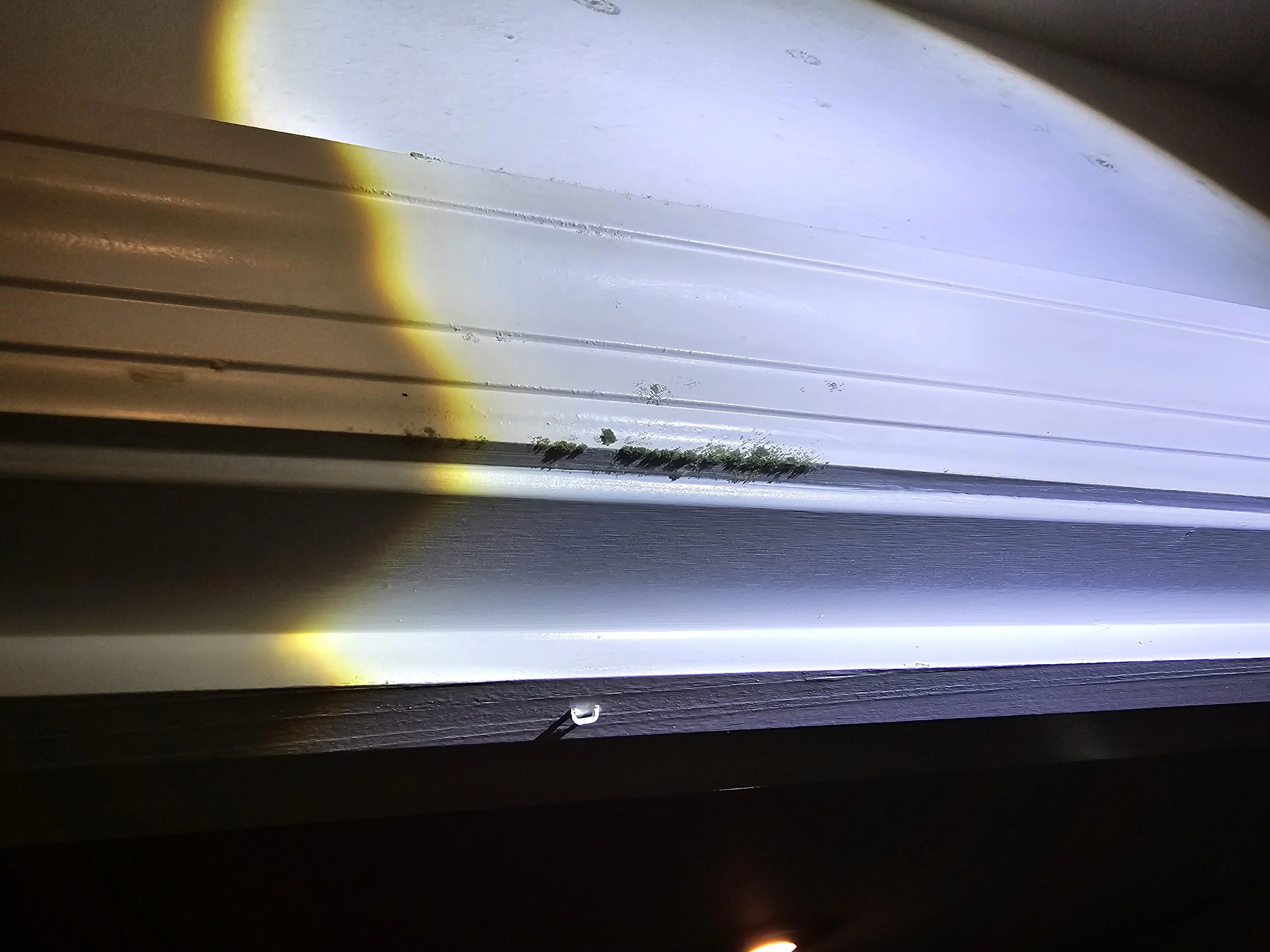
Indoor spore levels should generally be similar to or lower than outdoor levels. When specific spore types are disproportionately elevated indoors, particularly species associated with water-damaged building materials, the findings may indicate an indoor growth source. Mold test results should always be interpreted in conjunction with the visual inspection, moisture readings, building conditions, and comparison to the outdoor control sample. The goal of mold testing is not simply to identify mold types, but to determine whether environmental conditions suggest an indoor growth source that requires further investigation.
Cladosporium
One of the most common molds found in outdoor environments. Cladosporium may also grow on indoor surfaces when elevated humidity or moisture is present. Certain species can be allergenic, and elevated indoor levels may indicate air infiltration, condensation, or surface growth within the structure.
Aspergillus / Penicillium
Often reported together in air sampling results. These molds are commonly associated with moisture-related conditions and water-damaged building materials. Certain species may be allergenic, and some species have the potential to produce mycotoxins under specific environmental conditions. Elevated indoor levels may indicate an indoor growth source and warrant further evaluation.
Stachybotrys ("Black Mold")
Commonly referred to as "black mold." Stachybotrys typically requires prolonged moisture exposure and is often associated with chronically water-damaged materials such as drywall, paper backing, and wood products. Some species are considered toxigenic and may produce mycotoxins under certain conditions. Detection in indoor air samples is considered significant and generally indicates the need for prompt investigation and corrective action.
Chaetomium
Frequently associated with long-term water intrusion and water-damaged cellulose-based materials such as drywall, paper, and wood products. Chaetomium is commonly found alongside other moisture-indicating molds and may suggest a history of prolonged moisture exposure. Certain species are considered allergenic, and some may produce mycotoxins under specific conditions. Its presence often warrants further evaluation of moisture sources and affected building materials.
Basidiospores
Produced by mushrooms, shelf fungi, and other wood-decaying fungi. Basidiospores are commonly found in outdoor air but may also be associated with moisture-damaged wood and structural components. Elevated indoor levels may warrant further evaluation for moisture intrusion or concealed fungal growth.
Ascospores
Commonly present in outdoor air and frequently detected in air samples. While low levels indoors are generally expected, disproportionately elevated indoor concentrations compared to the outdoor control sample may indicate moisture-related conditions or an indoor fungal growth source. Further evaluation may be warranted when elevated levels are identified.
Healthy Home Perspective
The National Center for Healthy Housing's Healthy Homes principles identify keeping a home dry as one of the key components of a healthy indoor environment. Because mold requires moisture to grow, identifying and correcting water intrusion, leaks, elevated humidity, or condensation is often more important than the specific mold type identified during testing.
Important Note:
Not all mold findings carry the same significance. The concentration of spores, the species identified, the inspection findings, moisture conditions, and the relationship between indoor and outdoor samples must all be considered when interpreting results. A qualified mold assessor evaluates the entire building environment to determine whether conditions are consistent with an indoor growth source and to identify any contributing moisture issues.
What the report alone can't tell you
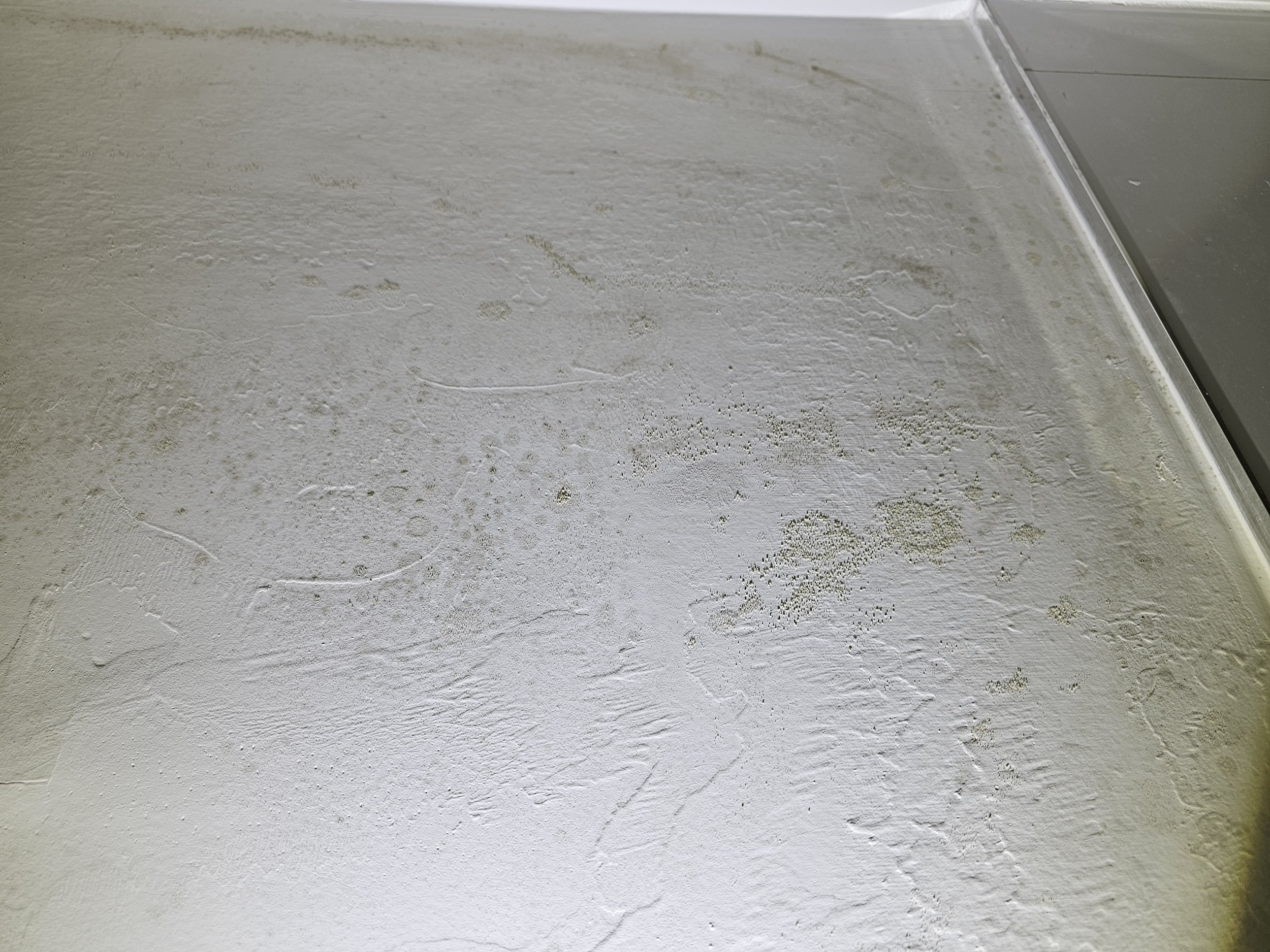
A lab report identifies what's in the air at the time of sampling. It doesn't tell you where a growth source is, what caused the moisture, or what the appropriate remediation scope would be. That interpretation, connecting the air sample data to a physical location and a recommended course of action, is the role of the licensed mold assessor. For homeowners in Naples, Fort Myers, and Cape Coral, the most important step after getting a report is walking through the findings with the assessor who conducted the inspection.
Have mold test results you're trying to understand?
SWFL Mold Pros provides licensed mold assessments and clear, written reports across Southwest Florida. We walk you through what your results mean and what comes next.