Buying a Home in Cape Coral or Naples? Why Standard Home Inspections Miss Hidden Mold
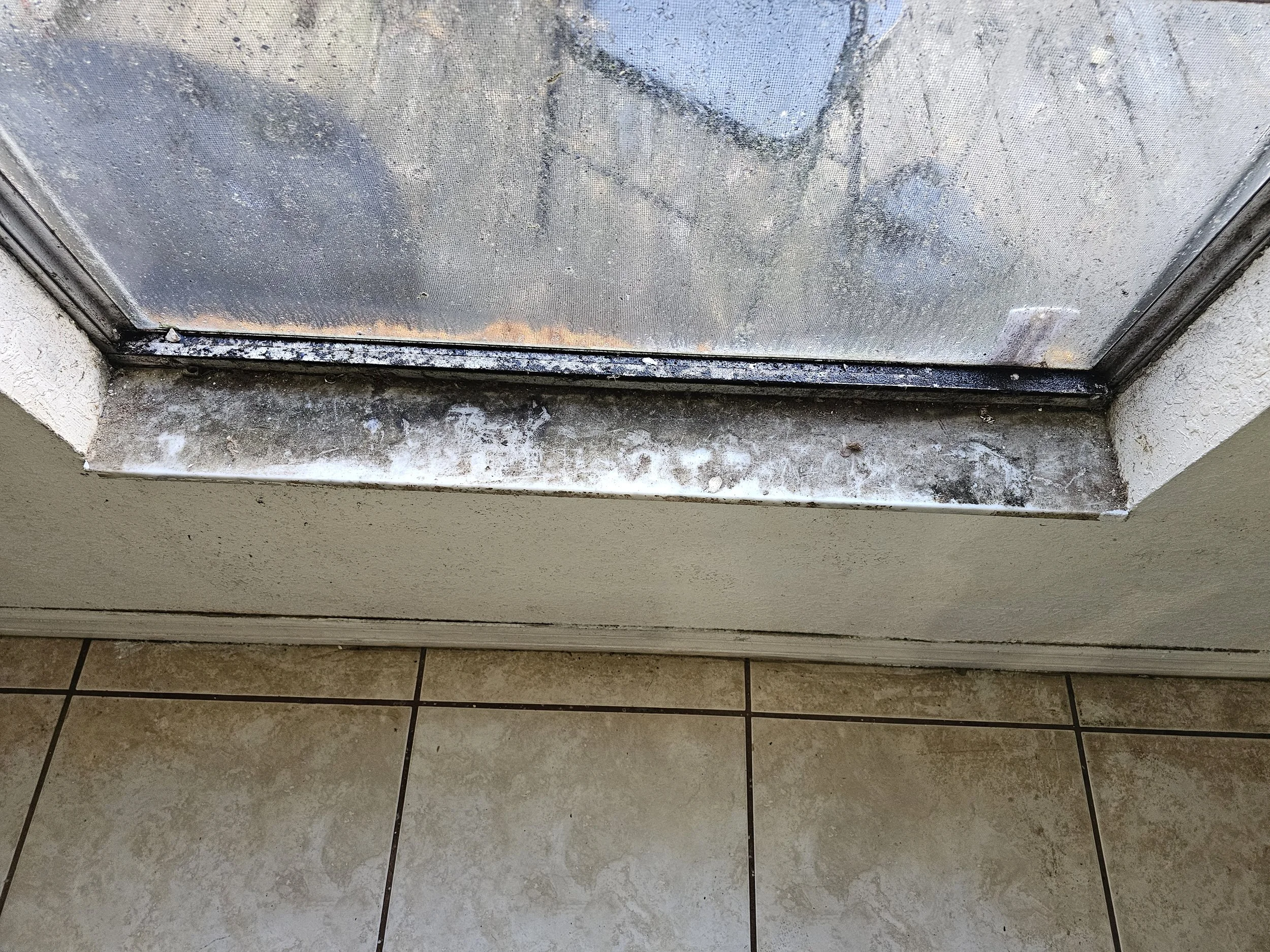
If you're buying a home in Cape Coral, Naples, or anywhere in Southwest Florida, a licensed home inspection is a standard part of the process. It covers structural components, electrical systems, plumbing, roofing, and mechanical systems. What it is not, and what it was never designed to be, is a mold assessment. That distinction is important, and misunderstanding it has led more than a few SWFL buyers to close on a property with a mold problem they didn't know existed.
What a standard home inspection covers
A licensed home inspector in Florida follows Standards of Practice that define the scope of the inspection. The scope is visual and non-invasive. Inspectors observe accessible areas and report on conditions they can see. They are not required to open walls, move insulation, sample air quality, or test for biological growth. When a home inspector encounters a visible stain, they may note it as a moisture concern, but that note is not a mold assessment. It's an observation that something warrants further investigation.
Standard home inspection
Visual, non-invasive scope
Covers structural, mechanical, electrical
Notes visible stains or concerns
No air sampling or lab analysis
No formal mold report
Does not identify hidden growth
Licensed mold assessment
Targeted to moisture and biological growth
Includes air and surface sampling
Uses moisture meters on materials
Accredited third-party lab analysis
Formal written report produced
Identifies hidden and airborne mold
Where mold hides in SWFL homes
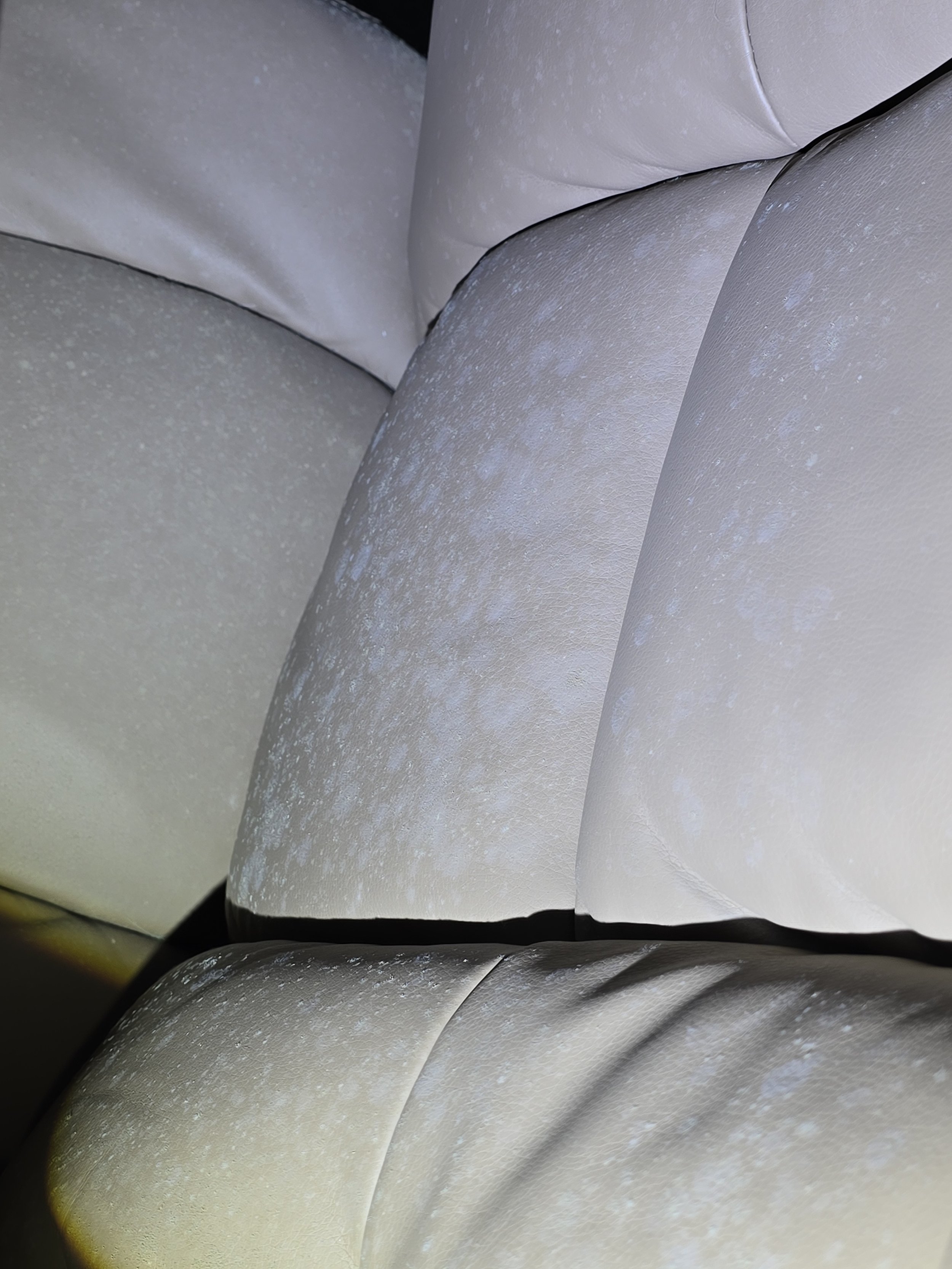
The areas where mold most commonly develops in Southwest Florida homes are also the areas a standard home inspection is least likely to catch. Inside wall cavities behind drywall, particularly on exterior walls, moisture can accumulate from prior water intrusion without leaving any visible indication on the surface. HVAC systems are another significant blind spot: air handlers, evaporator coils, and ductwork are susceptible to microbial growth, and that growth can circulate spores throughout a home without producing any visible indication in the living space.
A scenario that happens regularly in SWFL real estate: A buyer closes on a home that passed inspection. Within the first few weeks, they notice a musty smell. A mold assessment reveals elevated spore levels tied to growth inside the wall cavity adjacent to a bathroom. The home passed inspection because the inspector reported on what was visible. The mold was never visible.
The case for a pre-closing mold assessment
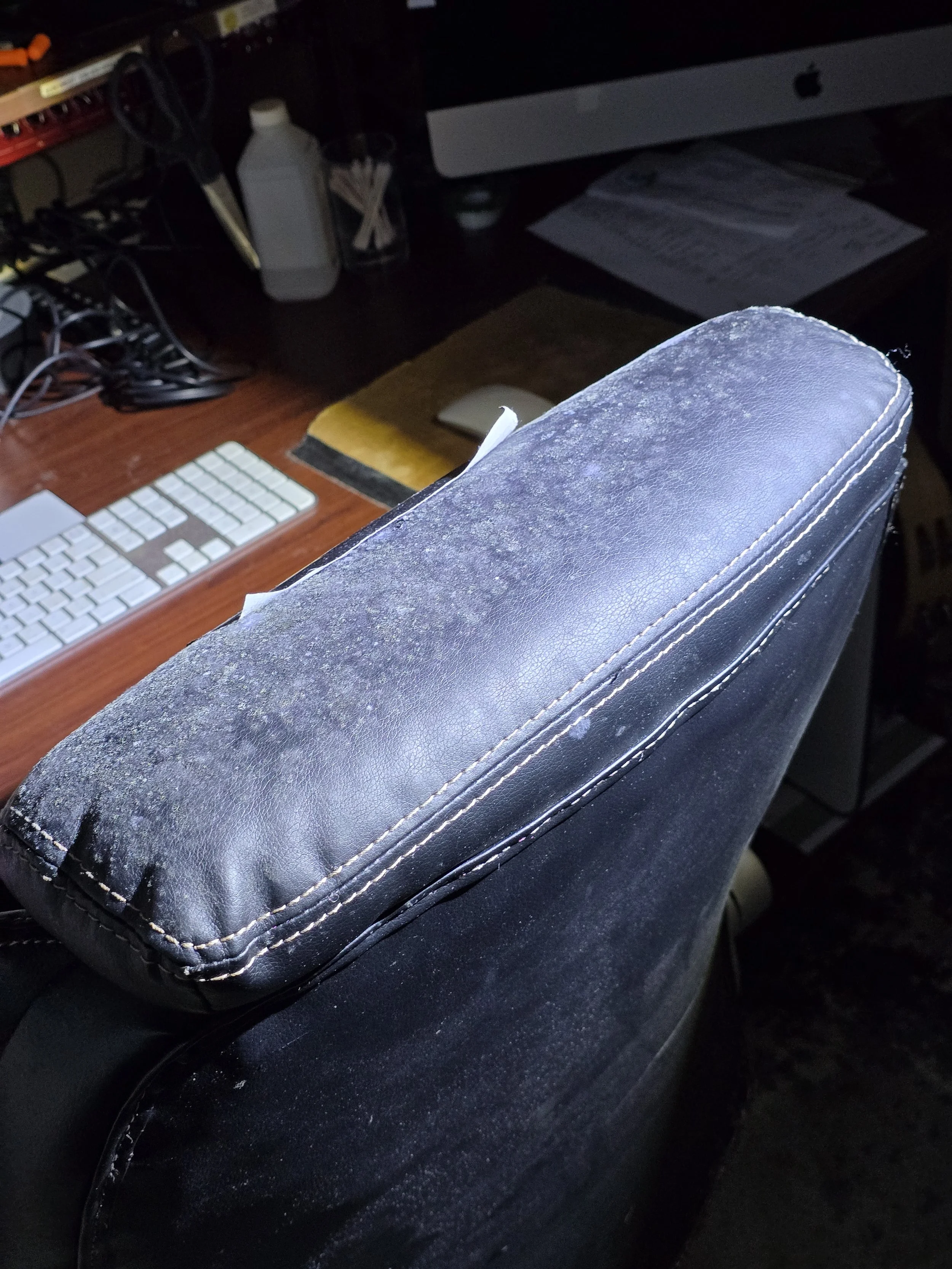
The real estate markets in Cape Coral and Naples include a high proportion of homes that have been through significant weather events, hurricanes, tropical storms, and the chronic humidity that defines Southwest Florida. Many of these homes have had prior water intrusion events, and some undocumented repairs that left residual moisture problems behind walls or under flooring.
A mold assessment conducted during the inspection period gives a buyer information that doesn't exist anywhere else in the transaction. It's not duplicating the home inspection. It's answering a question the home inspection isn't designed to ask. In a market where homes change hands quickly, that information has real value.
Under contract on a home in Cape Coral or Naples?
Schedule your mold assessment during the inspection period.
SWFL Mold Pros provides licensed, independent assessments across Southwest Florida with written reports you can use at the closing table.