Your Remediation Is Done. How Do You Know It Actually Worked?
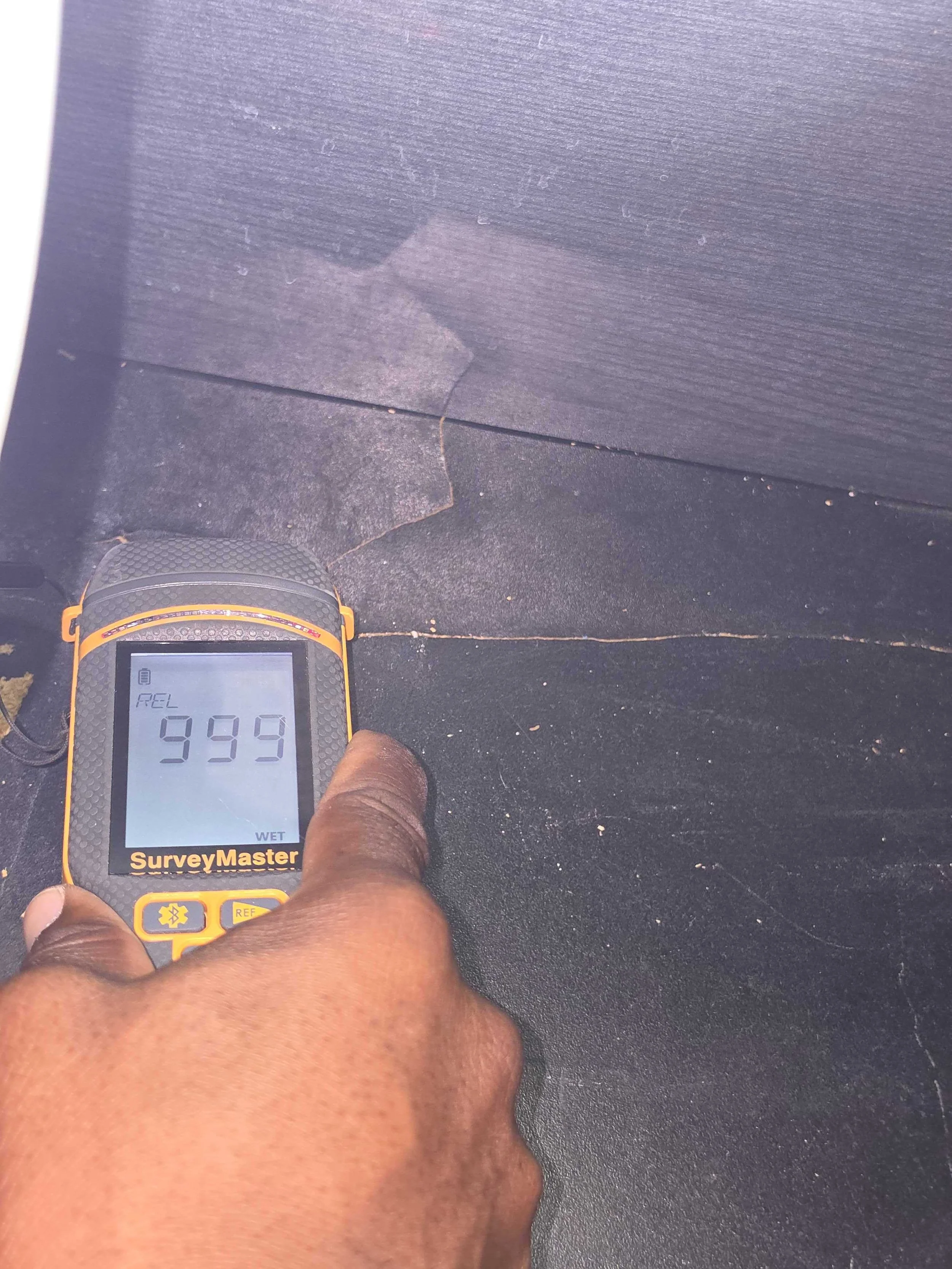
The remediation crew has completed its work and says the affected area is ready. Before containment barriers are removed and reconstruction begins, however, the completed work should be independently evaluated to determine whether the established remediation criteria were met.
This evaluation is called post-remediation verification, or PRV, and is sometimes referred to as a clearance assessment. PRV involves more than simply collecting air samples. Depending on the project, it may include a visual assessment, moisture measurements, confirmation that specified materials were removed or cleaned, and sampling when appropriate. Florida law does not require PRV after every remediation project. However, Florida Statute §468.8419 (2)(d) generally prohibits a mold Remediator or a financially related company from performing a mold assessment on a structure where it provided remediation within the previous 12 months, subject to a limited exception for certain Division I contractors. Using an independent mold assessor helps reduce potential conflicts of interest and provides objective documentation of the conditions observed after remediation.
What post-remediation verification actually is
Post-remediation verification is a formal assessment conducted after remediation work is complete but before the affected area is reconstructed or reopened for normal use. Its purpose is to determine whether the remediation achieved its objective: removal of the mold, correction of the moisture source, and return of the indoor environment to acceptable conditions.
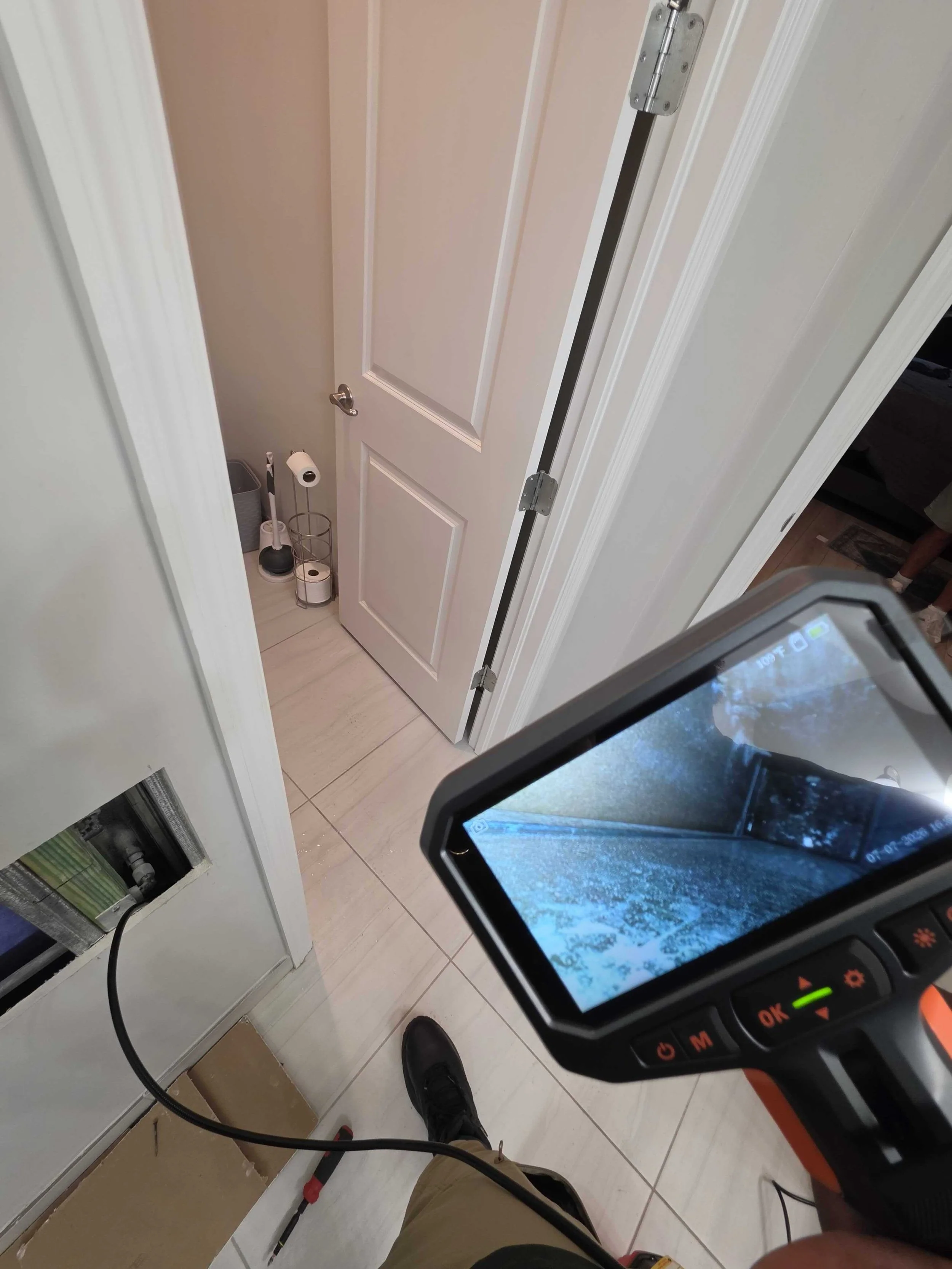
The assessment typically involves a visual inspection of the remediated area to confirm that affected materials were removed and the space was properly cleaned, moisture readings on remaining building materials to confirm adequate drying, and air sampling within the remediated area compared against an outdoor control and, where applicable, an unaffected indoor area.
The sequence matters: verification happens after remediation but before reconstruction. Once drywall goes back up and flooring is reinstalled, verifying the condition of the underlying materials becomes significantly more difficult and expensive. Homeowners who allow reconstruction before clearance lose the opportunity to catch an incomplete job at the point where correcting it is still straightforward.
Why Independent Verification Matters
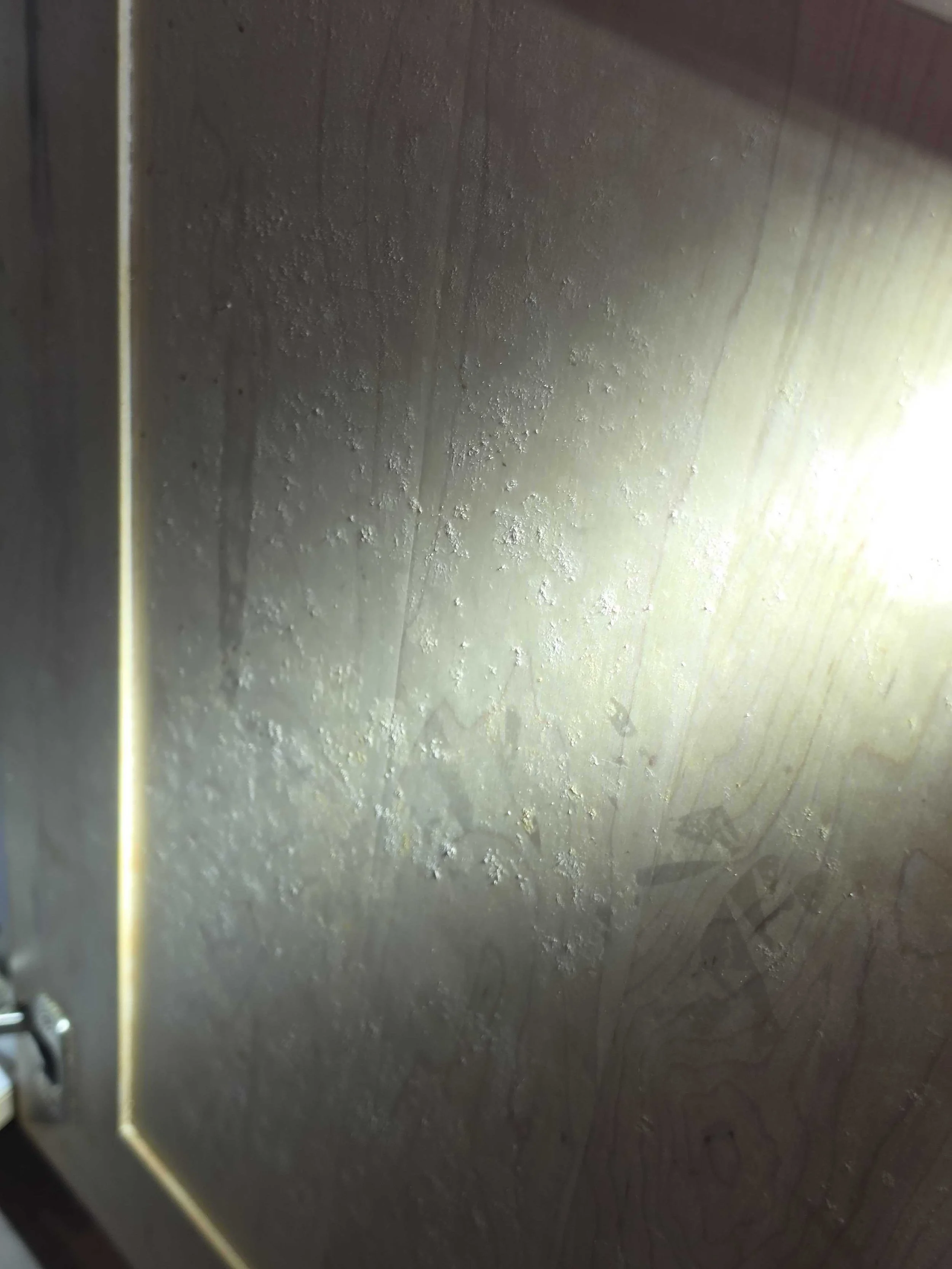
The company that performed the remediation has a financial and reputational interest in having the project accepted as complete. An independent mold assessor does not share that same interest and can evaluate the completed work based on the established remediation criteria, observed conditions, moisture measurements, project documentation, and sampling when appropriate. This separation provides the homeowner and other involved parties with a more objective record of the conditions before containment is removed and reconstruction begins.
The company that performed the remediation has a financial and reputational interest in having the project accepted as complete. An independent mold assessor does not share that same interest and can evaluate the completed work based on the established remediation criteria, observed conditions, moisture measurements, project documentation, and sampling when appropriate. This separation provides the homeowner and other involved parties with a more objective record of the conditions before containment is removed and reconstruction begins.
The reasoning is the same as the reasoning behind the original assessment requirement. A remediator has a financial and reputational interest in the verification coming back clean. An independent assessor does not. When a licensed assessor conducts post-remediation verification, the finding is based on the data, not on who is paying for the outcome to look a certain way.
What clearance criteria actually measure
There is no single universal number that defines a passing clearance test. What assessors evaluate is a combination of factors: whether the remediated area shows visible evidence of remaining growth or debris, whether moisture content in remaining materials has returned to acceptable levels for the material type, and whether airborne spore levels within the remediated area are consistent with the outdoor control and with unaffected areas of the same building.
An area that shows elevated moisture-indicator species relative to both outdoor and unaffected indoor comparisons has not achieved clearance, regardless of how thoroughly the visible growth was removed. That pattern usually indicates one of two things: residual growth in an area that wasn't fully addressed, or a moisture source that was never corrected.
What happens when clearance fails
A failed clearance test is not a disaster. It's information, and it arrives at the point in the process where acting on it is least expensive. When verification identifies a remaining issue, the assessor documents the specific findings, and the remediation contractor returns to address the deficiency. A second verification follows once the additional work is complete.
What makes a failed clearance costly is discovering it later, after reconstruction, after the homeowner has moved back in, and after the remediation contractor's obligation window may have closed. The verification step exists specifically to prevent that outcome.
A pattern worth watching for: when a remediation contractor discourages independent verification, suggests their own documentation is sufficient, or pushes to begin reconstruction immediately, that resistance is itself worth noting. A contractor confident in their work generally has no objection to it being independently confirmed.
Documentation value beyond the immediate project
A post-remediation verification report has value that extends well past the completion of the project. In an insurance context, it documents that the remediation scope was completed and confirmed. In a real estate context, it provides a future buyer with evidence that a prior mold issue was properly addressed rather than simply covered over. And for the homeowner, it's the difference between believing the problem was resolved and knowing it was.
For Southwest Florida homeowners in particular, where the underlying moisture conditions that allowed mold to develop often persist as an environmental factor, that documentation also establishes a baseline. If a concern arises again in the same area two years later, the verification report answers the question of whether the current issue is a recurrence of the original problem or a new event with a different cause.
When to schedule verification
Verification should be scheduled before remediation begins, not after it ends. Coordinating the timing in advance means the assessor is available at the point the remediation contractor completes the work and before reconstruction is scheduled, avoiding delays that create pressure to skip the step entirely.
If you're currently planning remediation in Naples, Fort Myers, Cape Coral, or anywhere in Southwest Florida, building independent verification into the project timeline from the start is the simplest way to ensure it actually happens.
Planning or completing mold remediation in Southwest Florida?
SWFL Mold Pros provides independent post-remediation verification across Southwest Florida. We do not perform remediation, so our verification is exactly what it should be: objective confirmation of whether the work achieved its objective.