Mold Insurance Claim Denied? It Wasn't the Mold. It Was the Documentation
If you've had a mold-related insurance claim denied in Florida, you're not alone. Mold claims are among the most commonly disputed in the state. And while homeowners often assume the denial is about policy exclusions, the real reason is frequently simpler: the documentation wasn't there.
Insurance carriers operate on evidence. A homeowner's account of when a water event occurred, how long moisture was present, and what growth developed as a result is not evidence. A licensed mold assessor's written report, with lab-analyzed samples, chain of custody documentation, and a professional probable cause determination, is.
What adjusters actually require
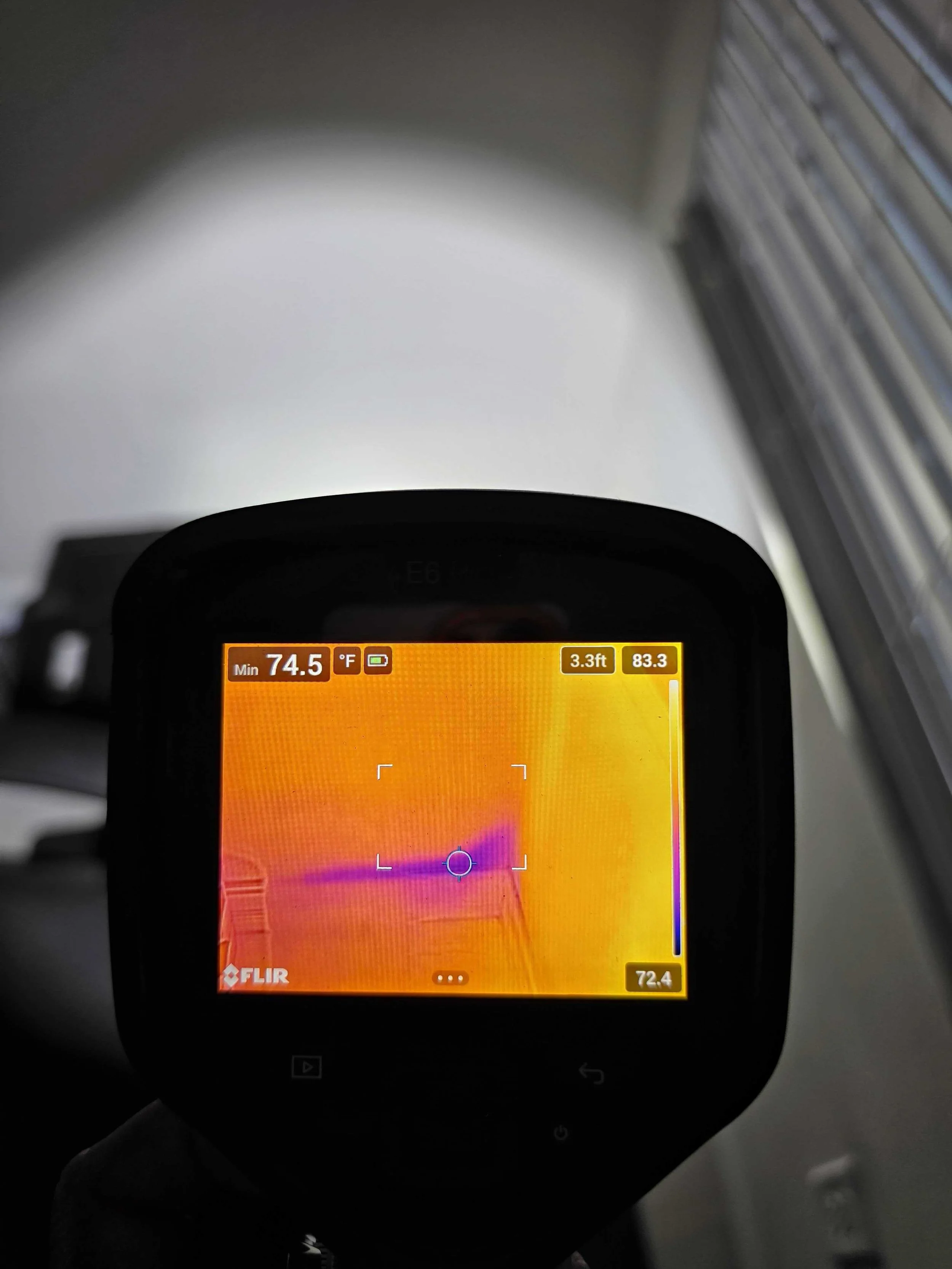
To evaluate a mold claim, an adjuster needs to establish a causal chain: a covered event led to moisture, the moisture led to mold, and the scope of mold is consistent with that event rather than a pre-existing or gradual condition. Without objective third-party documentation, an adjuster has no basis to approve the claim. The documentation that supports that chain includes: air and surface samples with accredited lab results, a written assessment report from a licensed Florida mold assessor, moisture readings with dates, a probable cause determination, and a formal remediation protocol outlining the scope of work required.
Where homeowners lose the argument
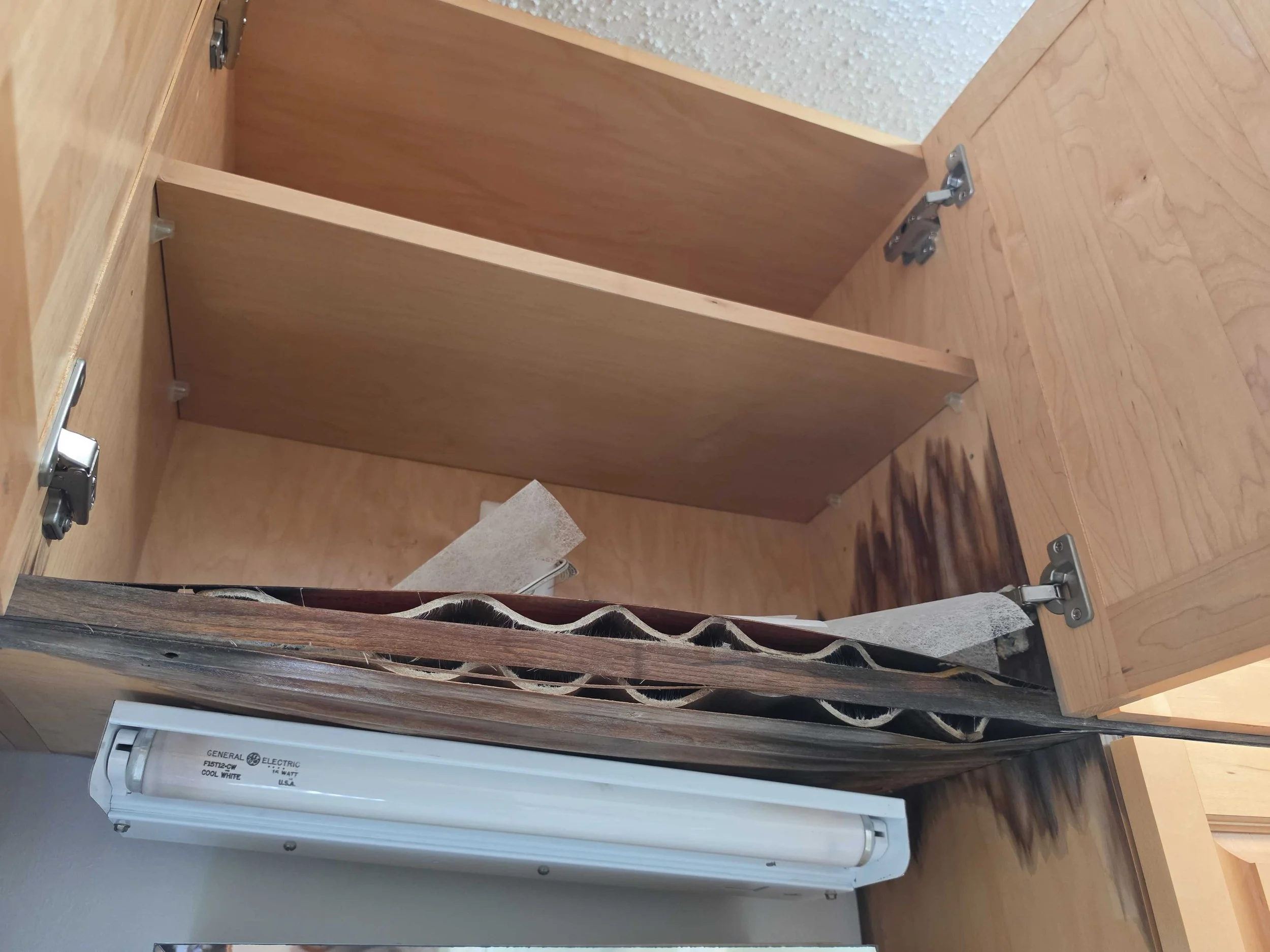
The most common documentation failure: proceeding directly to remediation without a pre-remediation assessment. Once the mold is removed, the physical evidence is gone. The carrier has no way to verify the scope, the species, the concentration, or the probable cause. A remediation company's invoice and photos may support what was done, but they don't substitute for the objective, third-party assessment the carrier needs to evaluate the underlying claim.
A second common failure: relying on the remediation company to document the problem. As Florida Statute 468 requires, an assessor and a remediator must be separate licensed entities. Documentation produced by the company that also performed the work carries far less weight with a carrier than an independent assessor's report.
If your claim was already denied
A denial is not necessarily final. If you have a prior remediation that lacked independent assessment documentation, a current mold assessment can establish present conditions, which, paired with supporting evidence of the original event, may provide a basis to reopen or appeal the claim. An attorney specializing in insurance disputes can advise on the specifics. What SWFL Mold Pros provides is the licensed, documented assessment that gives that process something to work with.
Dealing with a denied mold insurance claim in Southwest Florida?
SWFL Mold Pros provides licensed mold assessments with formal written reports and lab-analyzed results, the documentation Florida insurance carriers require to evaluate mold claims.