Mold or Just Allergies? When SWFL Families Should Get Their Home Tested
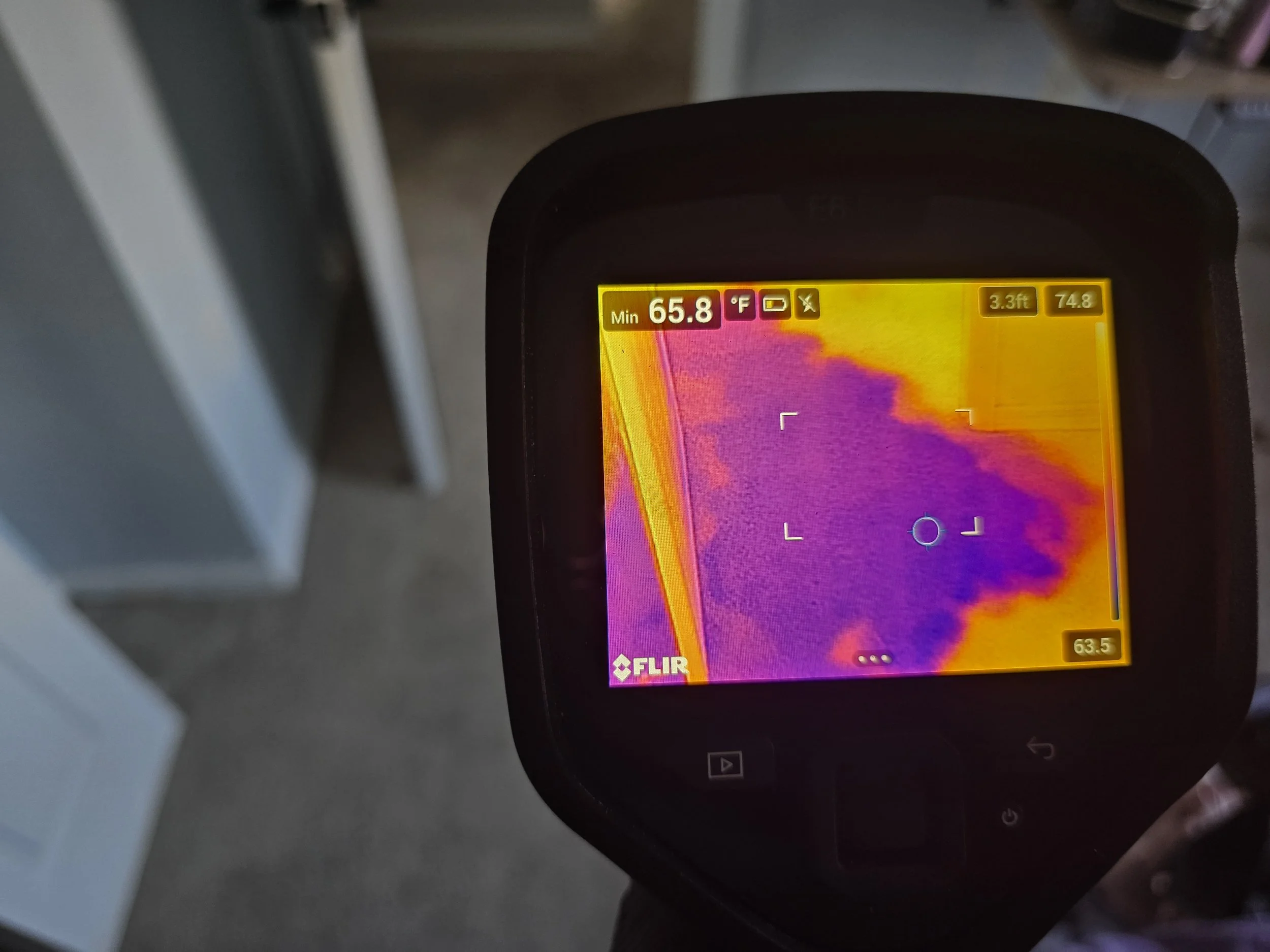
Southwest Florida has no shortage of natural allergens. Pollen, dust, and outdoor mold spores are present year-round in a subtropical climate. For families dealing with persistent respiratory symptoms, coughing, or congestion, it's easy to attribute everything to seasonal allergies and move on. Sometimes that's the right explanation. The distinguishing question isn't what the symptoms feel like. It's where they occur.
Symptoms driven by outdoor triggers tend to follow outdoor exposure. Symptoms that are consistent or worse indoors, that improve when a family member spends time away from home, or that seem to affect one person more than others in the same household may reflect an indoor air quality issue rather than, or in addition to, a seasonal allergy.
What mold exposure can look like
Mold-related health responses vary depending on the individual's sensitivity, the species involved, and the level and duration of exposure. Common presentations include nasal congestion, coughing, throat irritation, eye irritation, and headaches that don't resolve with standard allergy medications. In individuals with asthma, mold exposure can trigger flares that seem disproportionate to the season or the individual's typical triggers.
Children often show symptoms earlier than adults and may be more sensitive to elevated indoor spore levels, particularly younger children who spend more time at floor level, closer to carpeting, baseboards, and areas where mold growth and spore accumulation are more concentrated. Parents who notice that a child's respiratory symptoms are worse at home than at school, or better during family trips away, are describing a pattern consistent with an indoor exposure source.
An important clarification: a mold assessment cannot diagnose a medical condition, and a physician's evaluation is the appropriate first step for any persistent health symptoms. What a mold assessment can do is determine whether elevated indoor spore levels exist, information directly relevant to understanding potential environmental contributors to ongoing symptoms.
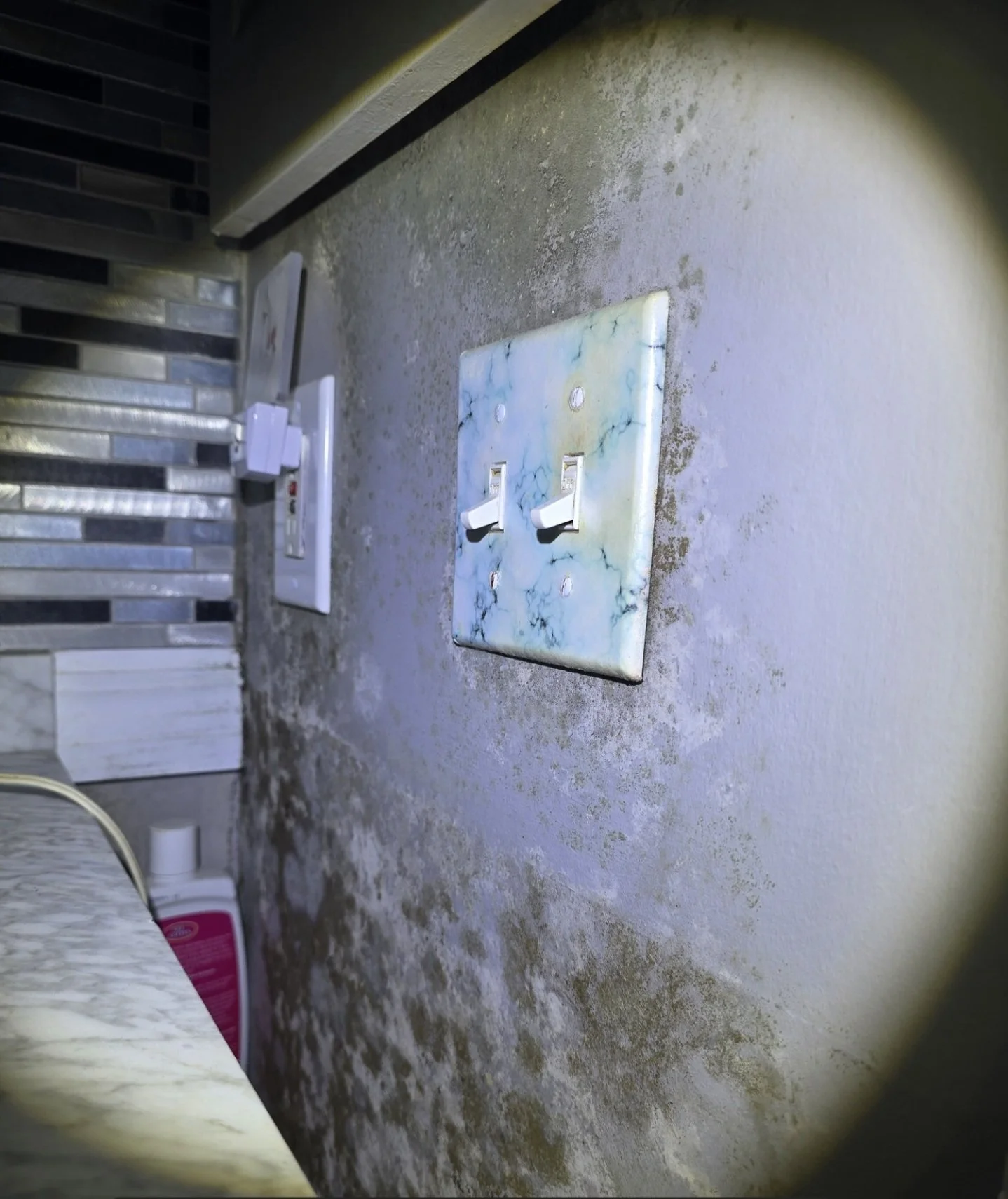
Situations that warrant testing in SWFL homes
For Southwest Florida families, a few specific situations make mold testing a reasonable and practical step: any home that has had a water intrusion event without a confirmed, documented drying process; homes with a persistent musty or earthy odor in any room, even intermittently; properties with visible discoloration on walls, ceilings, or around HVAC registers; seasonal homes closed and minimally conditioned through the summer in Lee and Collier County; and older construction with histories of undocumented repairs.
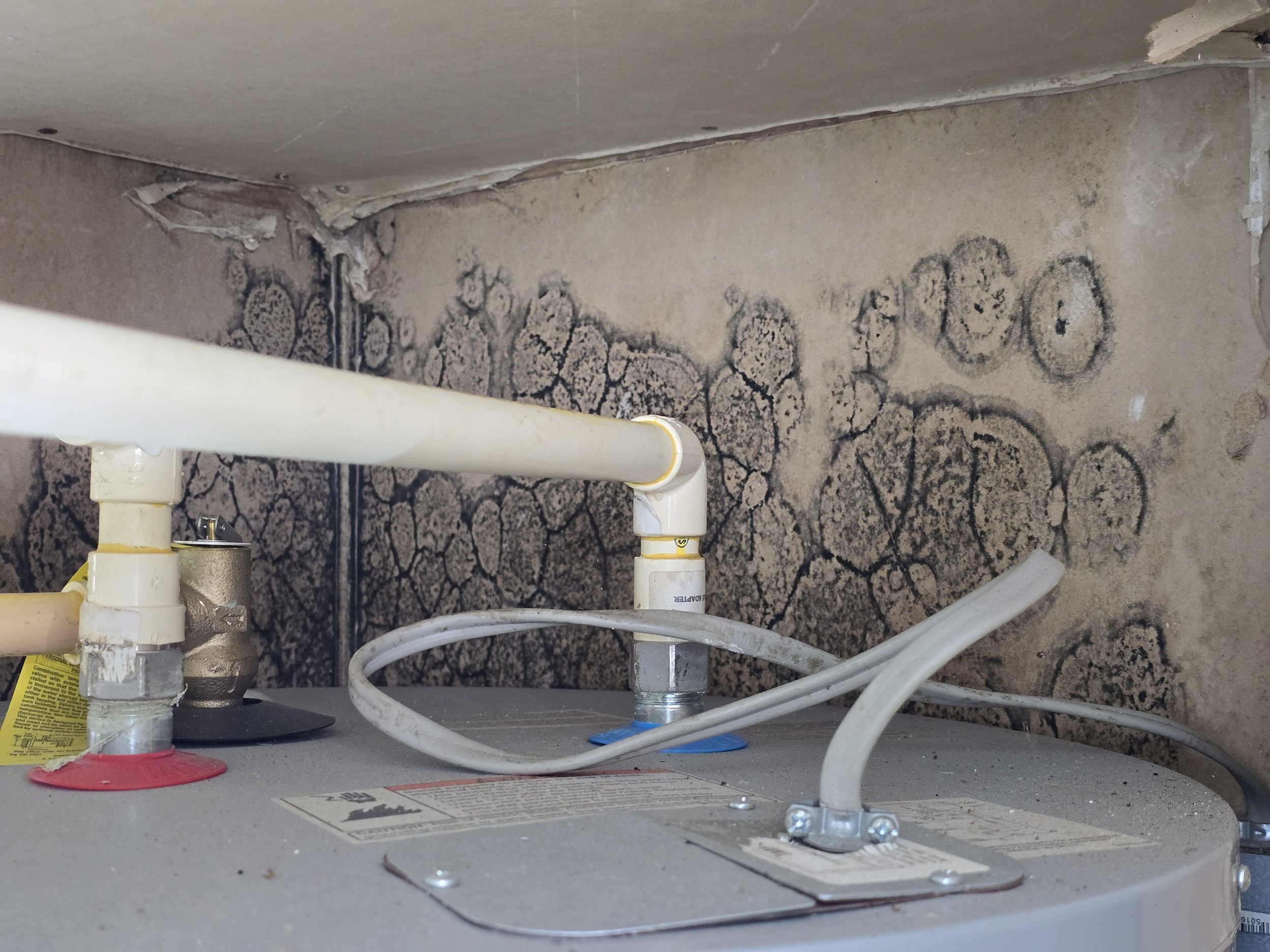
What testing provides that a visual check doesn't
Mold that affects indoor air quality is often not visible. Air sampling captures what's actually circulating in the home's breathing zone and compares it to outdoor levels, giving families a measurable picture of indoor air quality rather than a visual impression. Knowing the air is clean rules out the home as a contributing factor. Knowing it isn't gives families and their physicians something concrete to work with.
Concerned about indoor air quality in your Southwest Florida home?
SWFL Mold Pros provides licensed mold assessments and air quality testing across Naples, Fort Myers, and surrounding communities. Written results, lab-analyzed samples, clear answers.