Your AC Is Probably the #1 Hidden Mold Source in Your SWFL Home
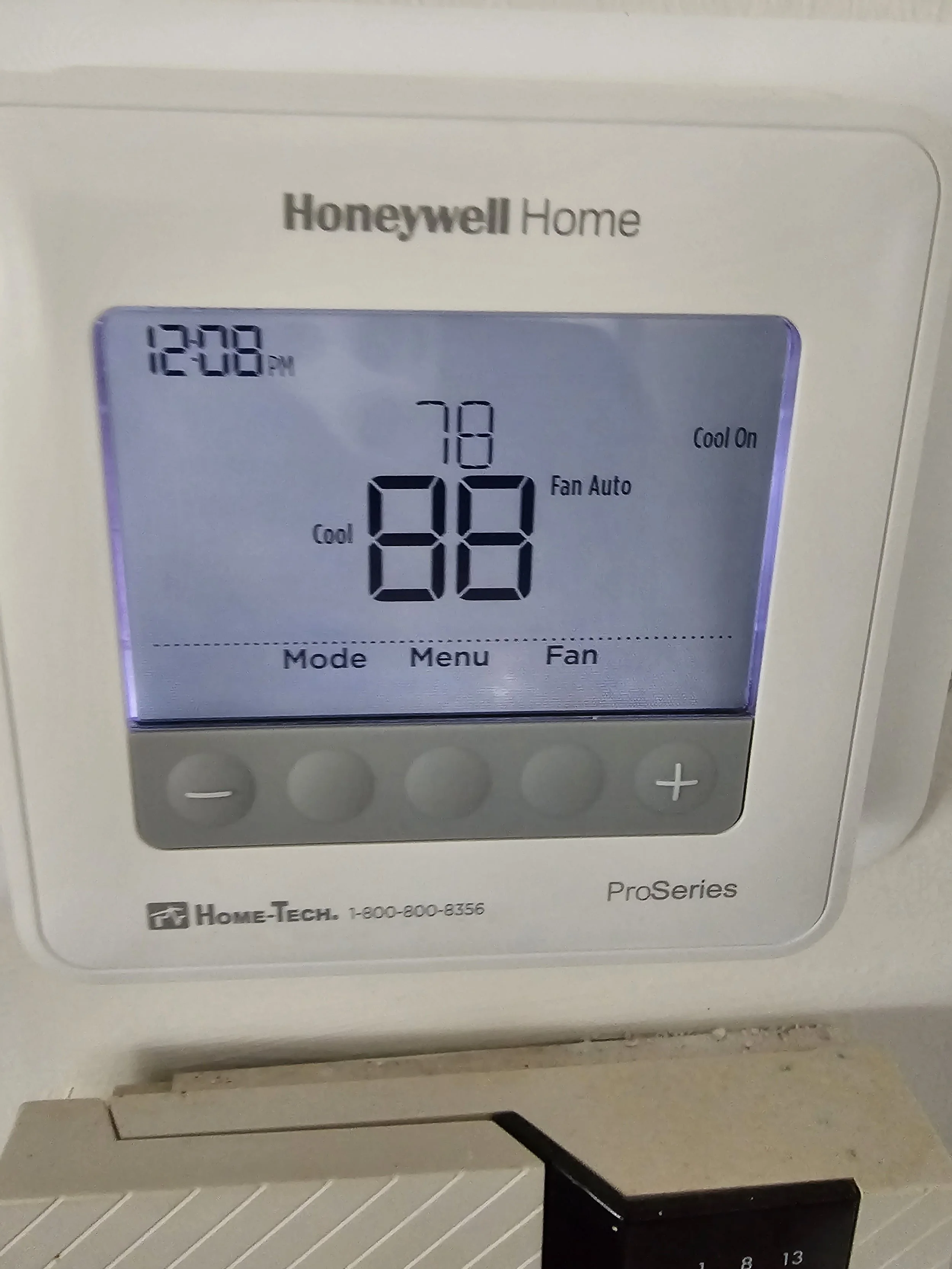
In Southwest Florida, the air conditioning system doesn't just provide comfort. It's actively working against the climate. It runs most of the year, pulls humid outdoor air across a cold evaporator coil, removes moisture from that air, and recirculates conditioned air throughout the home. It's an effective system, and it's also one of the most common sources of mold in SWFL homes. The same conditions that make an AC system effective at dehumidifying also make it a favorable environment for mold, and the HVAC system then distributes whatever grows there throughout every room in the house.
Where mold develops inside HVAC systems
The evaporator coil is the cold surface where warm, humid return air contacts the refrigerant-cooled coil and drops its moisture. Dust, pollen, and organic debris accumulate on the coil's fins over time. When that debris stays wet, which it does in Florida's climate, it becomes a growth medium. Mold on an evaporator coil is common and often undetected because the coil sits inside the air handler cabinet, out of sight.
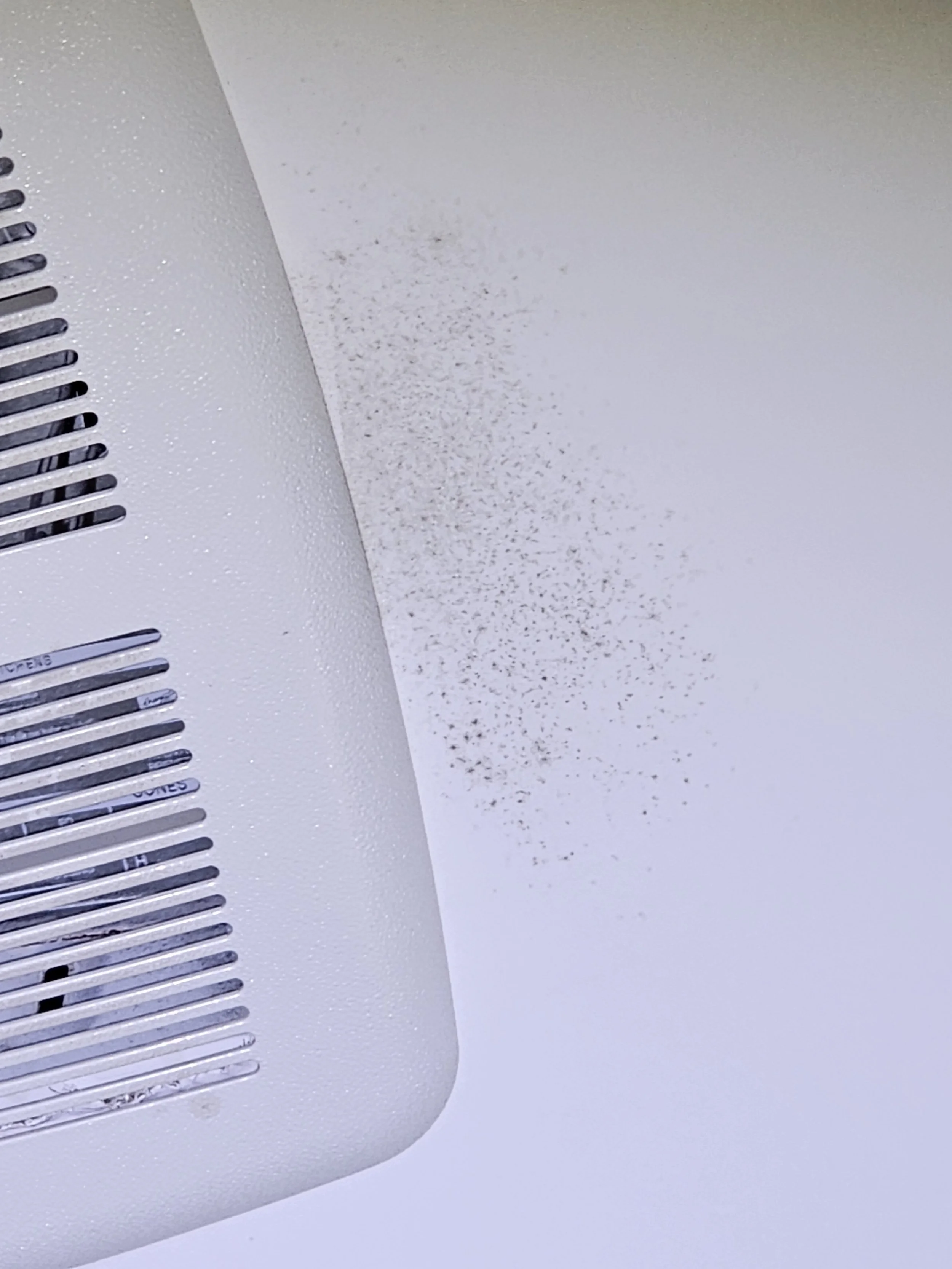
The drain pan collects condensate and routes it out through a drain line. When the drain line clogs, which happens regularly in SWFL's humid environment as algae grows in the line, water backs up into the pan. Standing water in a drain pan is a direct mold risk and can overflow into surrounding drywall or subfloor before the homeowner notices anything wrong. Flex ductwork common in Florida construction also develops interior surface mold when return air is humid enough to cause condensation on the inside lining. Mold growing inside ductwork distributes with every air cycle.
A symptom pattern worth noting: homeowners who notice allergy-like symptoms that improve when they leave the house, or worsen when the AC cycles on, are describing a pattern consistent with airborne mold exposure from an HVAC source. It doesn't confirm mold, but it's a signal worth investigating.
Why standard inspections don't catch it
A home inspection covers HVAC function: does it cool, are there obvious issues with the equipment? It does not involve opening the air handler, examining the evaporator coil, or testing air quality downstream of the system. A four-point inspection covers basic condition and age. Neither is designed to identify biological growth inside the system. The only way to determine whether your HVAC system is contributing to an indoor air quality problem is through air sampling that compares supply air to return air and to outdoor baseline levels, combined with a direct inspection of accessible HVAC components.
Practical steps for SWFL homeowners
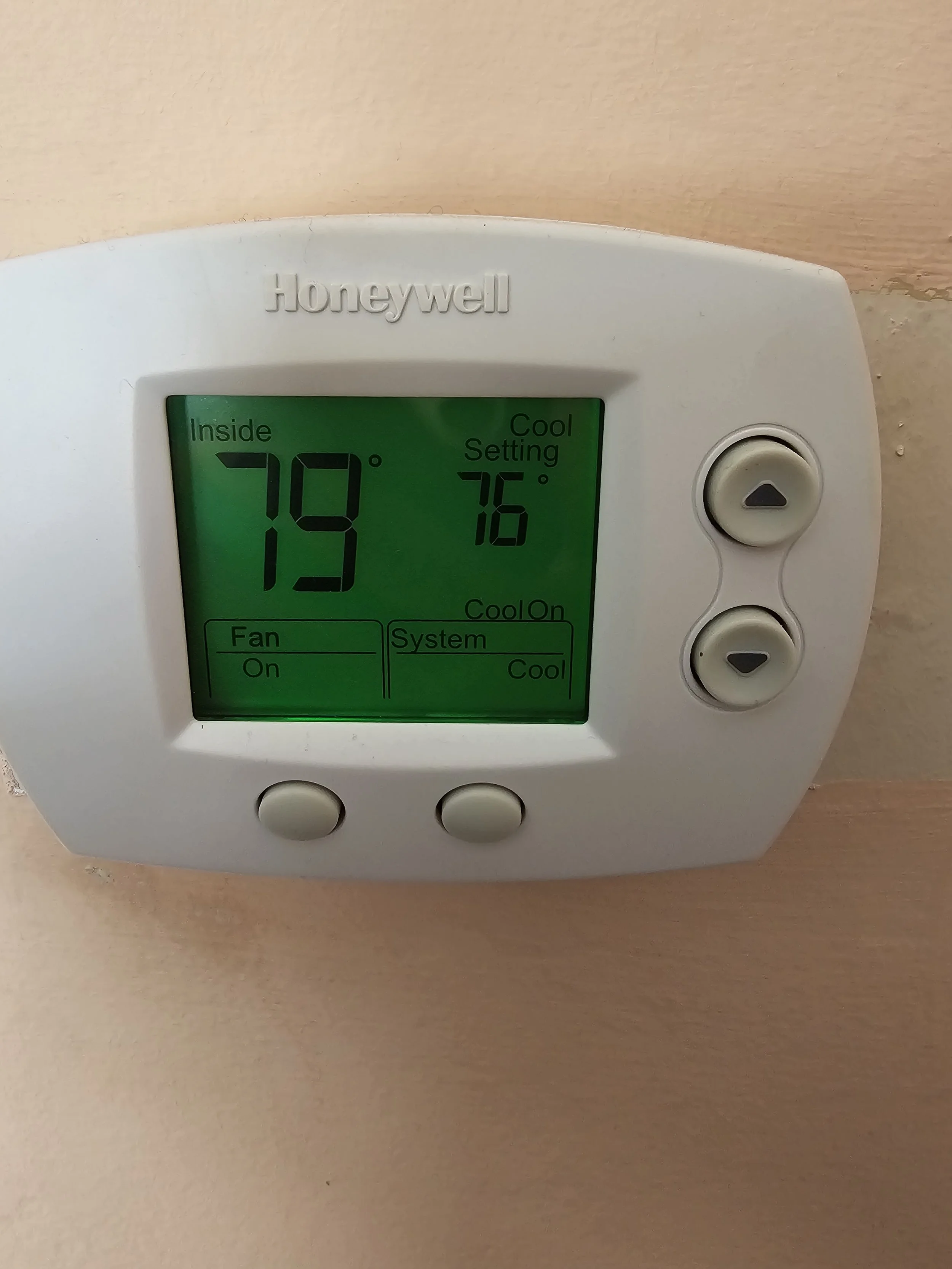
Regular AC maintenance, including filter changes, drain line flushing, and annual service, reduces conditions that allow mold to develop. But maintenance doesn't verify whether mold is already present, and it doesn't produce documentation. If you're experiencing symptoms, noticing an odor from the vents, or returning to a seasonal home that's been minimally conditioned through the summer, an air quality assessment that includes the HVAC system gives you a clear answer. In Southwest Florida, the AC isn't optional, and neither is knowing whether it's part of a mold problem.
Concerned about your HVAC system's impact on indoor air quality?
SWFL Mold Pros provides air quality assessments across Southwest Florida that evaluate your home's air, including what your AC system may be contributing to it.