Does Homeowners Insurance Cover Mold Inspection in Florida?
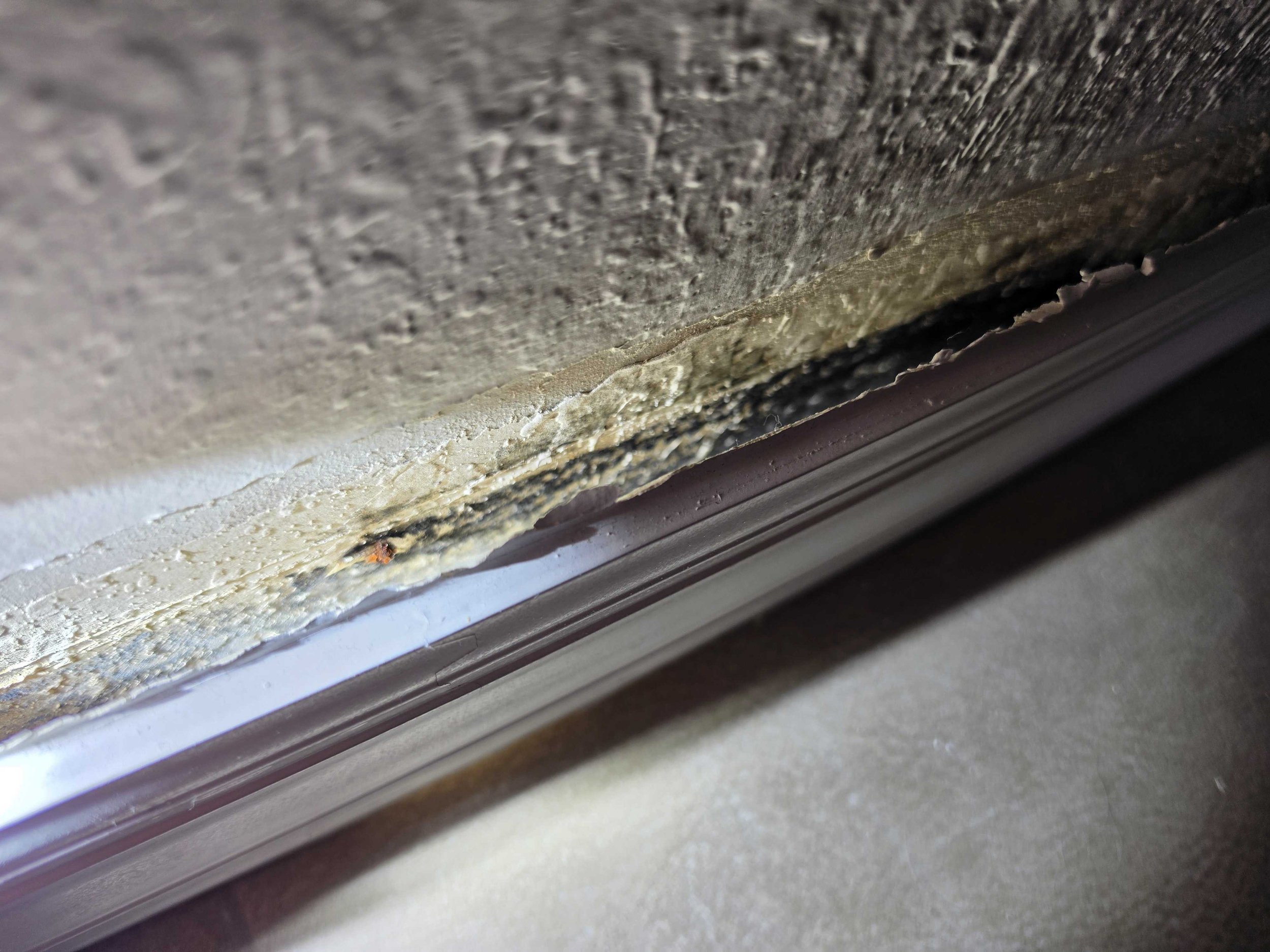
Mold coverage is one of the most misunderstood areas of Florida homeowners insurance. Homeowners often assume they're covered, or assume they're not, without a clear picture of what the policy actually says. The determining factor is usually not the mold itself. It's what caused the moisture that led to it.
The core distinction: sudden vs. gradual
Florida homeowners insurance policies generally tie mold coverage to the underlying water event. If mold results from a covered sudden and accidental water loss, a burst pipe, an appliance failure, or storm damage, most policies will cover mold remediation as part of the broader claim, subject to limits and exclusions. If mold results from a gradual condition, a slow leak under a sink that went unnoticed for months, chronic condensation from an aging AC system, or long-term moisture infiltration through a failing window seal, most policies will not cover it. Gradual conditions represent maintenance failures, which are the homeowner's responsibility.
The practical implication: the same visible mold growth on a wall could be covered or excluded entirely depending on whether it developed from a sudden pipe failure or a slow, progressive moisture problem. The insurance adjuster's job is to determine which applies, and your documentation determines how that conversation goes.
Why documentation is the deciding factor
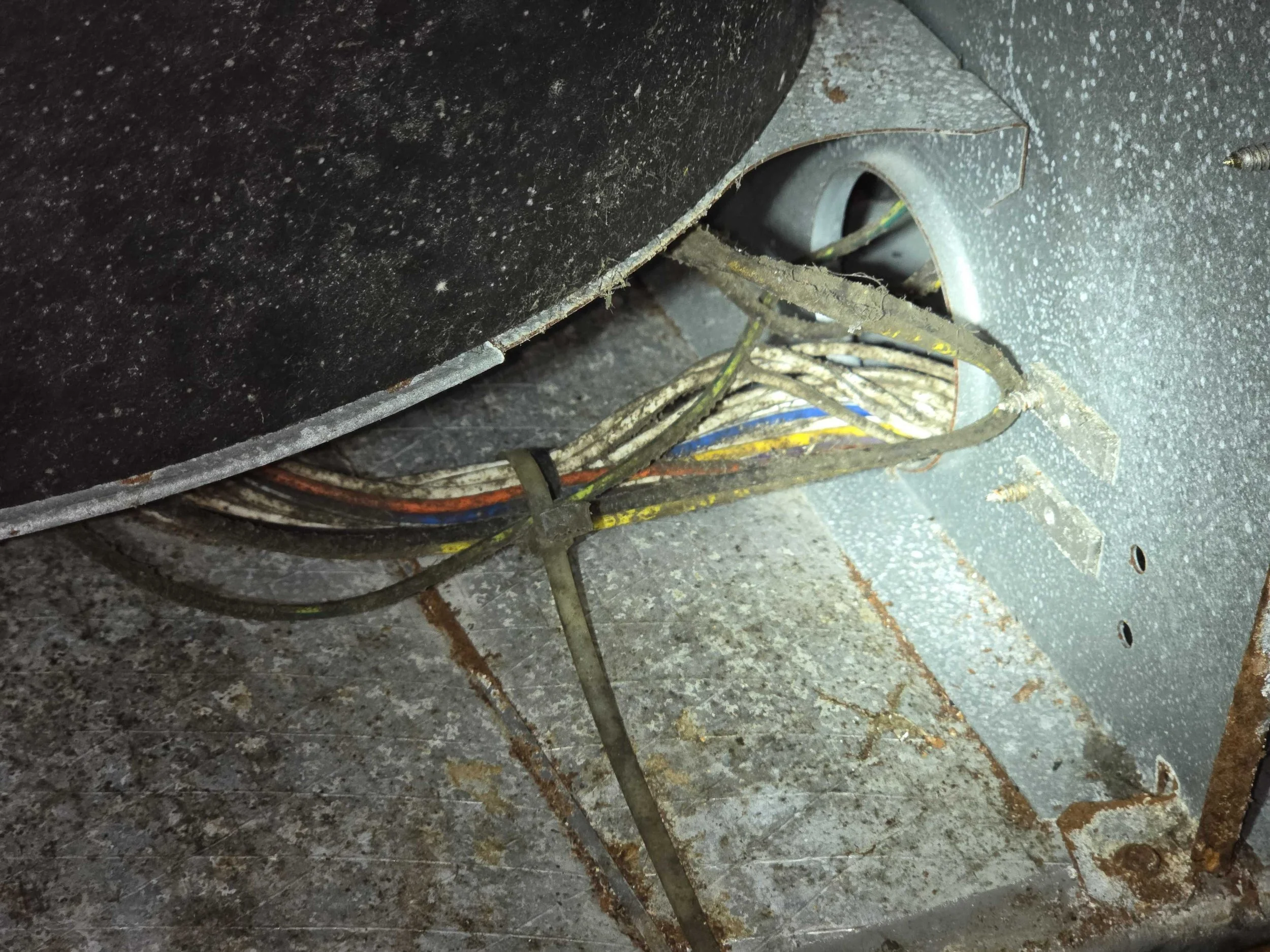
Insurance carriers don't take a homeowner's word for when a water event occurred or how long moisture was present. A licensed mold assessor's formal written report, with lab-analyzed samples, moisture dating where possible, and a professional probable cause determination, is the most important piece of documentation in a mold-related claim. Without it, a claim is largely a homeowner's narrative against an adjuster's interpretation. With it, you have a licensed professional's findings on record.
Common scenarios in SWFL claims
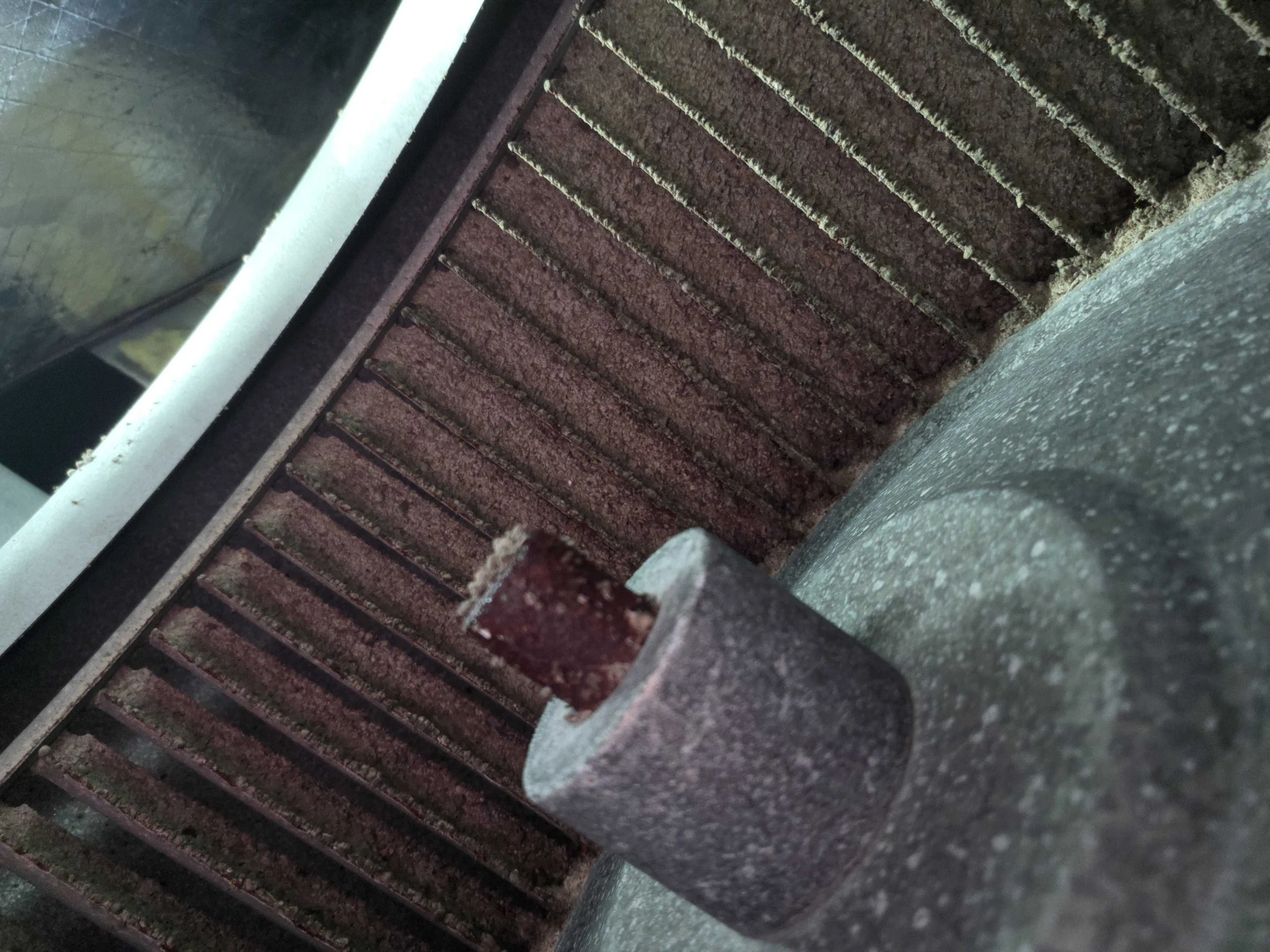
Hurricane and tropical storm damage is one of the most common pathways to mold claims in Lee and Collier County. When wind-driven rain enters through a damaged roof or compromised window and isn't dried out quickly, mold can develop within days. If the storm event is documented and the timeline supports a sudden onset, coverage is more likely to apply. AC-related moisture is a frequent gray area: a drain line clog that backs up water into surrounding drywall may be considered sudden, while chronic condensation in a minimally-conditioned seasonal home is more likely treated as a maintenance issue.
What to do before you file
If you discover mold tied to a potentially covered event, the sequence matters. Document everything before any cleanup begins. Report to your carrier and understand your policy's mold coverage limits, as many Florida policies cap mold coverage at $10,000 or less. Then schedule an independent mold assessment before remediation begins. That assessment gives your carrier a documented baseline and provides the third-party evidence adjusters require. Skipping it leaves you without documentation at the exact moment you need it most.
Dealing with a potential mold insurance claim in Southwest Florida?
SWFL Mold Pros provides licensed assessments with lab-analyzed results and formal written reports, the documentation your carrier needs to evaluate your claim.