Mold Behind the Walls: Why SWFL Homes Have Hidden Growth You Can't See or Smell
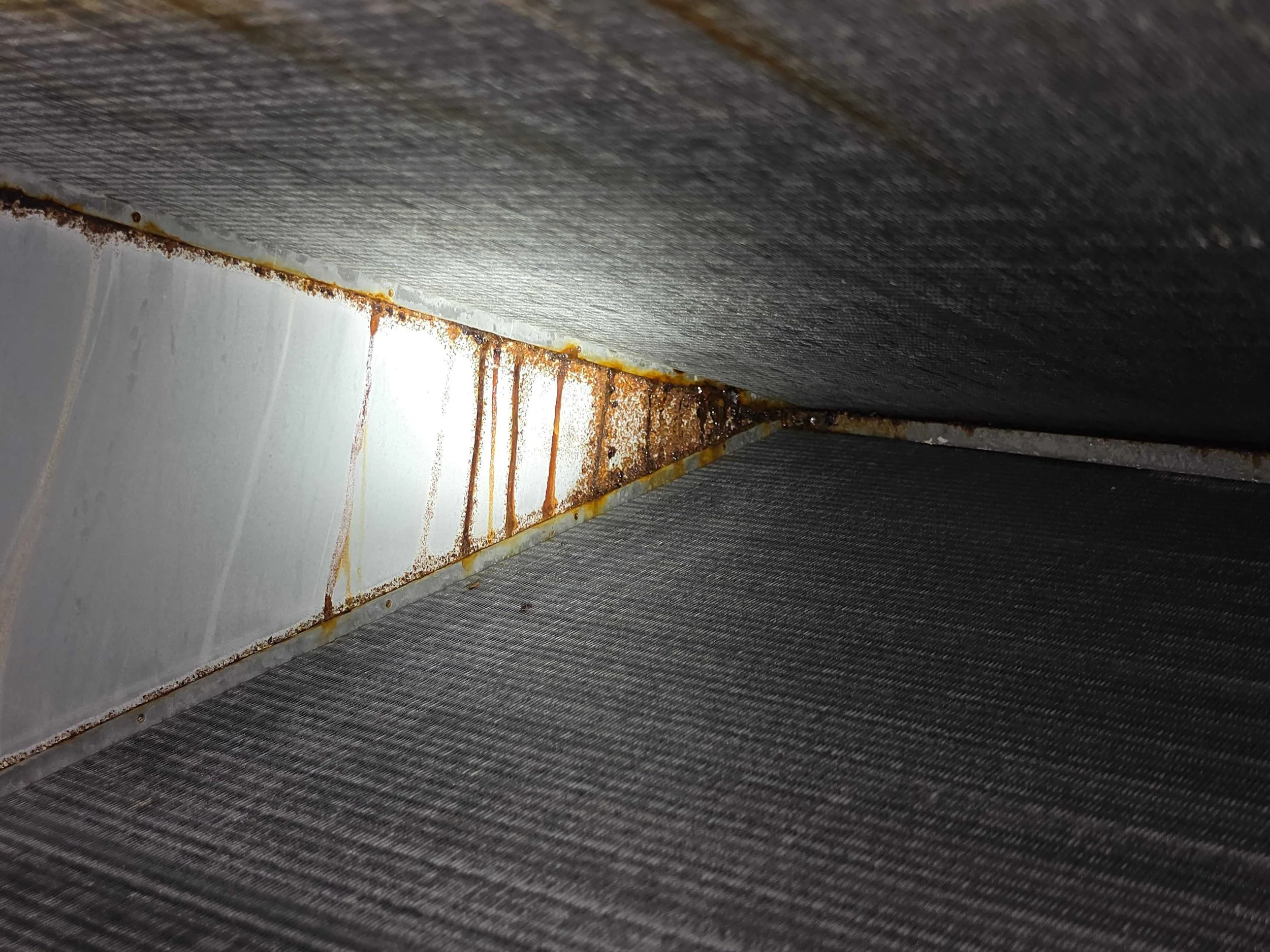
Most people associate mold with a visible problem: a dark stain on a wall, a musty smell coming from a closet, or discoloration around a window frame. Those are real indicators, and they should be investigated. But they represent only one part of the picture. In Southwest Florida's climate, some of the most significant mold concerns in residential properties produce no visible growth and no detectable odor, at least not at first.
Hidden mold is exactly what the name suggests: biological growth occurring in areas of a home that are not accessible through a standard visual inspection. It can be present in a home for months or longer before any surface indication appears. By the time it becomes visible or odorous, the underlying moisture source has often been active for an extended period.
Why SWFL homes are particularly vulnerable
The combination of high ambient humidity, year-round heat, and frequent rain events creates a baseline moisture load that most climates don't have. A minor building deficiency that would dry out quickly in a drier environment, a small roof penetration, a window seal that's beginning to fail, a condensate line that's partially restricted, can become a sustained moisture source in Southwest Florida simply because conditions never fully favor drying.
This is compounded by the construction characteristics common in the region. Concrete block construction with stucco exteriors, spray foam insulation in tighter modern builds, and flex ductwork running through unconditioned attic space all create micro-environments where moisture can accumulate without any obvious indication from the living space side of the wall.
Where hidden mold most commonly develops
In residential assessments across Naples, Cape Coral, Fort Myers, and surrounding communities, certain locations consistently produce findings that weren't apparent from the surface.
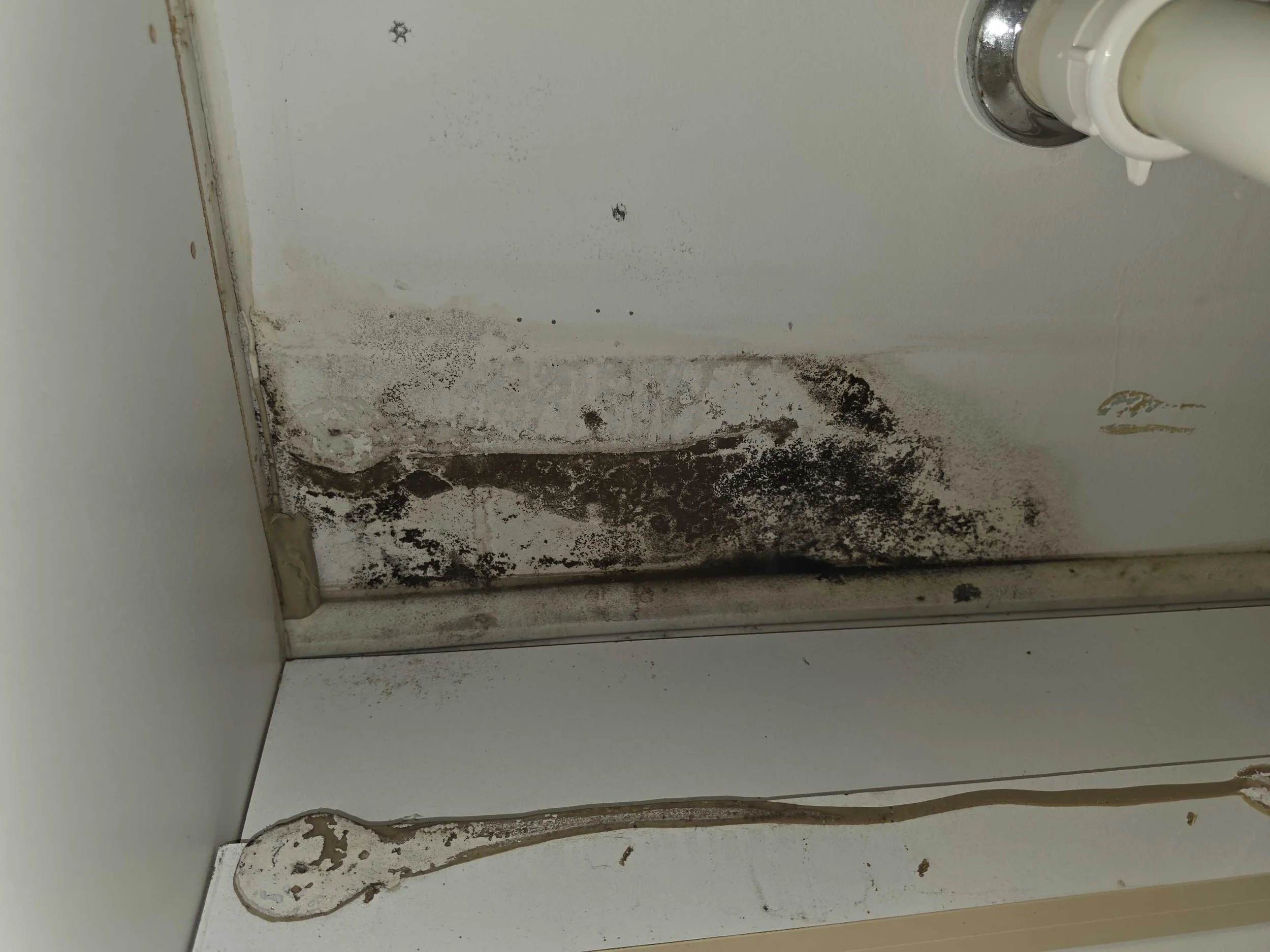
Interior wall cavities on exterior walls are among the most common. When the building envelope has even a minor deficiency, moisture can enter and absorb into wall framing, insulation, and drywall backing without saturating the visible drywall surface. The paper facing on drywall is a reliable food source for several mold species, and it doesn't take high moisture levels to sustain growth once it starts.
Attic spaces are another frequent location. In Florida construction, attic ventilation and insulation details vary significantly by build year and contractor. When insulation is compressed, ventilation is inadequate, or a roof penetration has a slow leak, attic moisture can accumulate without any sign of water intrusion in the living space below.
The space beneath raised flooring, under kitchen islands, or inside bathroom vanity bases adjacent to supply lines represents a third zone. These areas are enclosed, rarely inspected, and often hold moisture from minor plumbing events that never produced a noticeable leak in the room itself.
A pattern worth noting: homeowners in older SWFL construction sometimes discover hidden growth during a renovation or repair that required opening a wall. The growth is established, the source is traceable to a building deficiency that had likely been present for years, and there was no prior indication in the living space. The absence of symptoms or odor is not confirmation that the air quality is acceptable.
Why air sampling finds what a visual check cannot
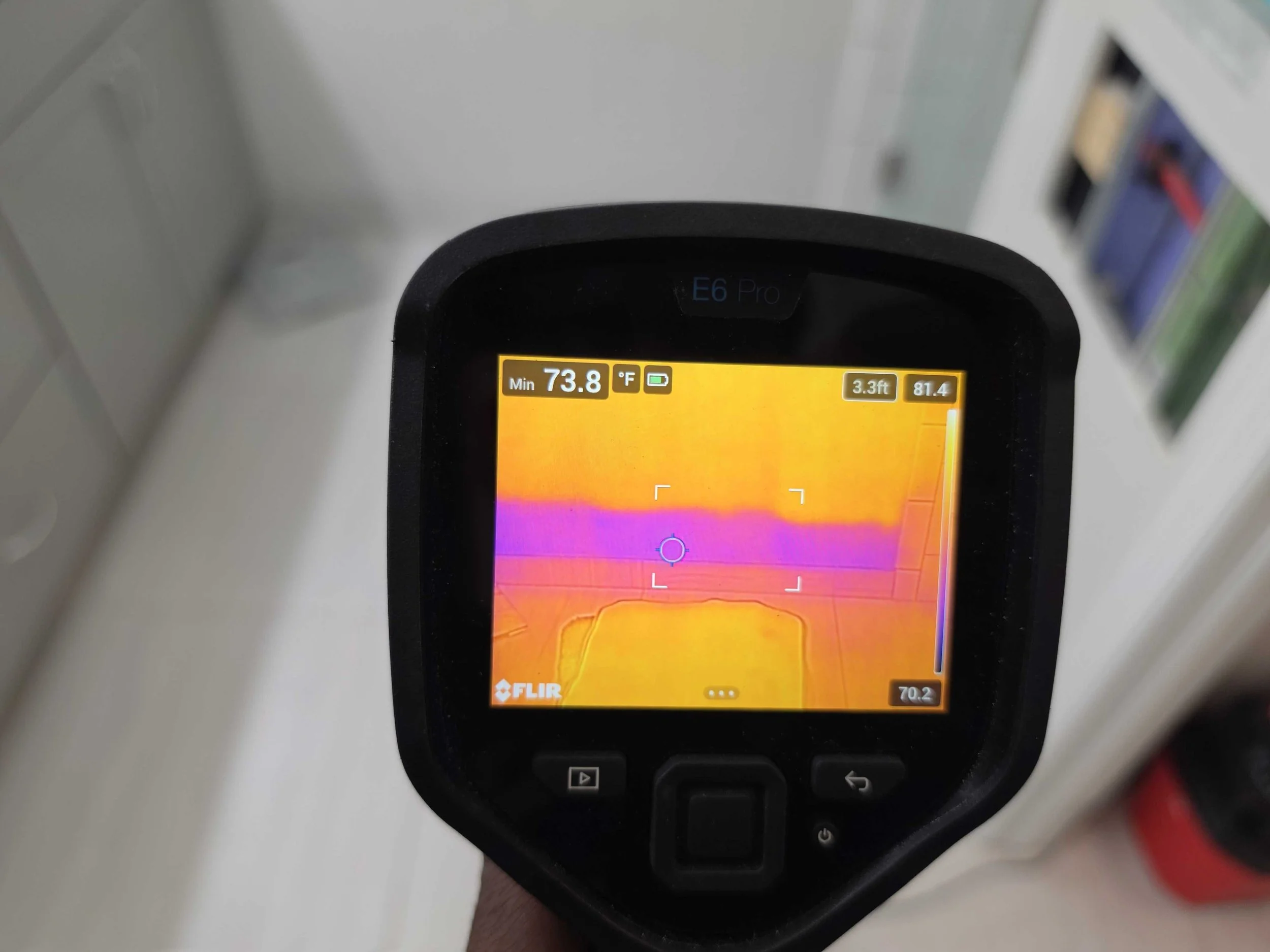
A visual inspection, even a thorough one, is limited to accessible surfaces. It cannot evaluate the interior of a wall cavity, the underside of roof sheathing, or the condition of materials behind a built-in cabinet. Air sampling, conducted with calibrated equipment and analyzed by an accredited laboratory, captures what is actually circulating in the breathing zone of the home regardless of where the source is located.
When indoor spore levels for moisture-indicator species are elevated relative to the outdoor control sample, that pattern points to an active source somewhere in the structure, even when no source has been visually identified. That information is actionable. It directs further investigation to the most likely locations and provides the documentation needed for any remediation or insurance process that follows.
When to consider air sampling in your SWFL home
Air sampling is appropriate any time the existing information about a home's condition is incomplete. Before closing on a resale property. Before or after a water intrusion event. When a renovation is planned and the condition of wall cavities is unknown. When a family member has persistent respiratory symptoms without a clear explanation. And when a home has been vacant or minimally conditioned, a condition common in SWFL's seasonal market.
In each case, the goal is the same: to replace uncertainty with documented information. In a climate like Southwest Florida's, where the conditions for hidden mold development are present most of the year, that information is not a precaution. It's a reasonable baseline for any homeowner who wants to know the actual condition of their home.
Not sure what's behind your walls?
SWFL Mold Pros provides licensed mold assessments and air quality testing across Southwest Florida. Written results, accredited lab analysis, clear answers even when nothing is visible.