After the Storm: A 90-Day Mold Timeline for SWFL Homeowners
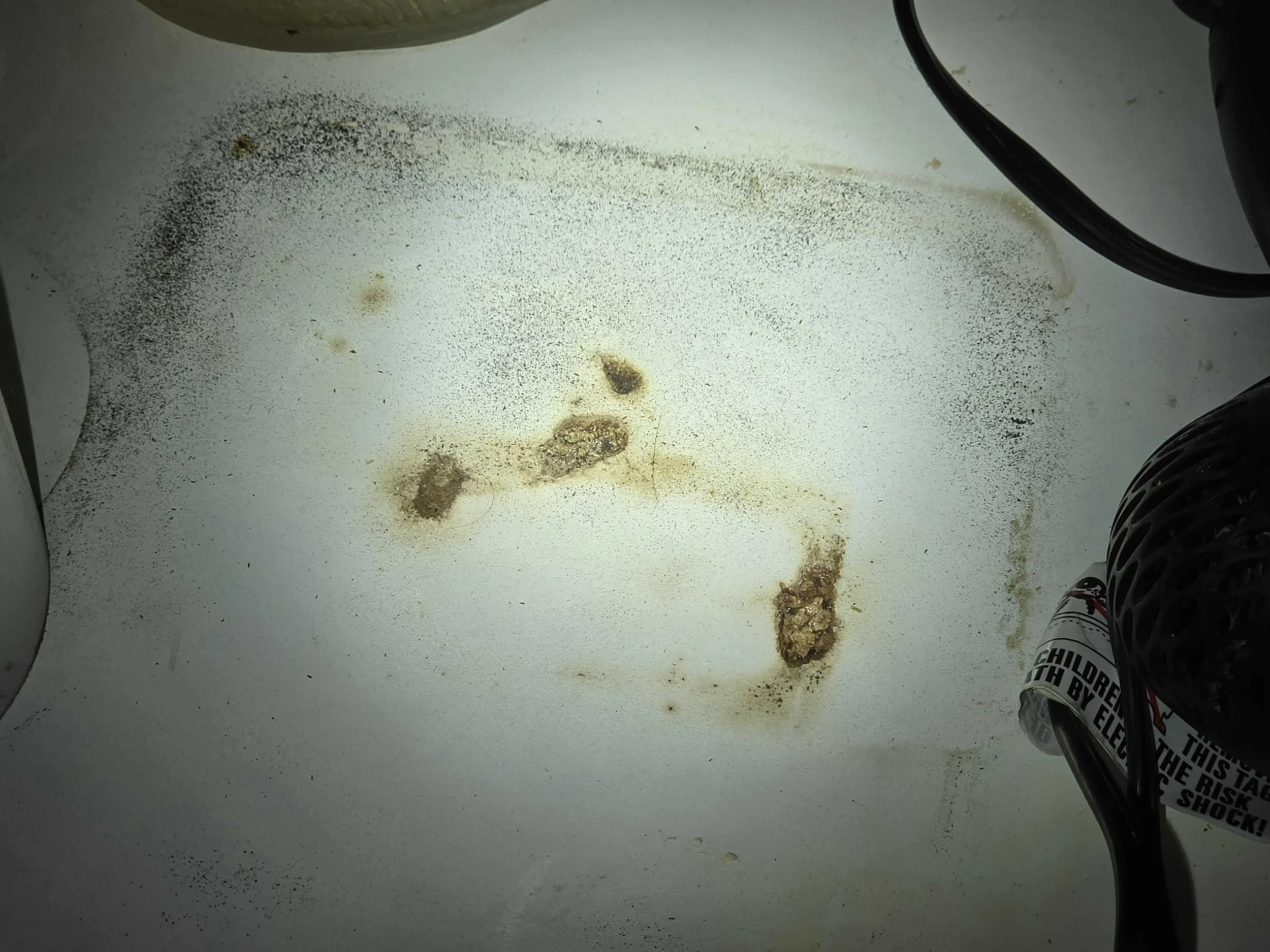
Hurricane recovery in Southwest Florida follows a familiar sequence. Immediate safety and structural concerns first. Then water extraction and drying. Then the long process of repair, contractor scheduling, and insurance claim resolution that can stretch for months.
Mold development follows its own timeline, and it does not wait for the recovery process to catch up. Understanding how those two timelines intersect helps homeowners take the right action at the right point rather than discovering a mold problem months into a repair process that has already moved past the point where addressing it was simple.
The first 72 hours: stop the water, start the drying
The priority immediately after a storm is eliminating the moisture source and beginning mechanical drying. Tarping a compromised roof, sealing broken windows, extracting standing water, and getting air movers and dehumidification equipment operating are the actions that matter most in this window.
What also matters, and what many homeowners skip in the urgency of the moment, is documentation. Photograph everything before you move it, extract it, or dispose of it. Note dates and times. Record water lines on walls. Capture the condition of materials before drying begins. This documentation becomes the foundation of any insurance claim and of any later determination about whether mold developed from a sudden covered event or a gradual condition.
The 48-hour reality: mold can begin colonizing wet materials within 24 to 48 hours. In Southwest Florida's post-storm conditions, where power outages often mean no air conditioning and ambient humidity is at its highest, that window can be shorter. The drying process may be underway, but that does not mean colonization has been prevented in materials that stayed wet longest.
Days 3 to 14: verify the drying, don't assume it
Water mitigation contractors work quickly and typically use moisture meters to guide their process. That's appropriate. What it does not provide is independent verification, and in a post-storm environment where contractors are managing dozens of properties simultaneously, the thoroughness of drying varies.
This is the window where an independent moisture assessment produces the most value. A licensed assessor can evaluate moisture content in building materials across the affected areas, identify pockets that remain elevated after the mitigation equipment has been removed, and document conditions before reconstruction begins. Materials that read as dry on the surface can retain significant moisture within wall cavities and beneath flooring.
Independent moisture readings across all affected areas, not just where equipment was placed
Documentation of which materials were removed and which were dried in place
Air sampling to establish a baseline before reconstruction closes walls
Written report for the insurance file documenting post-mitigation conditions
Days 15 to 30: the pre-reconstruction decision point
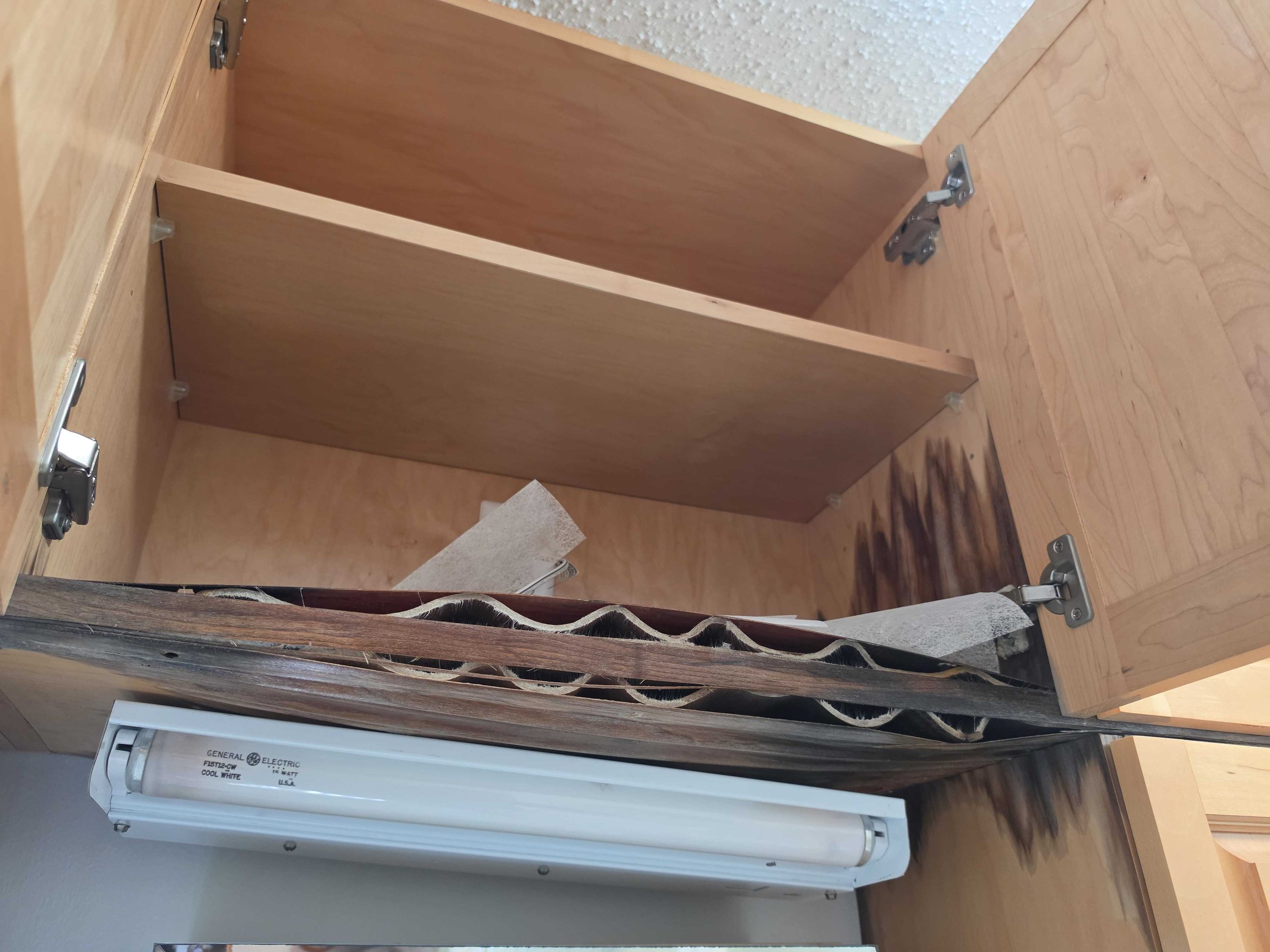
This is the most consequential window in the entire timeline, and the one homeowners most frequently rush through. Once drywall goes back up, flooring is reinstalled, and cabinetry is replaced, everything behind those surfaces becomes inaccessible. Any mold that developed during the drying period, and any moisture that was never fully resolved, gets sealed inside.
Contractors are often eager to begin reconstruction, and homeowners are eager to have their home back. Both motivations are understandable. But an assessment before walls close costs a fraction of what it costs to open them again in six months.
If an assessment at this stage identifies elevated conditions, addressing them is straightforward: the affected materials are already exposed, the remediation scope is defined, and the work integrates into the reconstruction schedule rather than interrupting a completed project.
Days 30 to 90: watching for delayed indicators
Some post-storm mold issues do not present immediately. A roof repair that appeared complete may have a deficiency that only reveals itself during the next significant rain event. A wall assembly that was dried adequately at the surface may have retained moisture deeper in the cavity that continues to support growth. HVAC systems that ran through a period of high humidity may have developed conditions in the air handler or ductwork that were not apparent during the initial recovery.
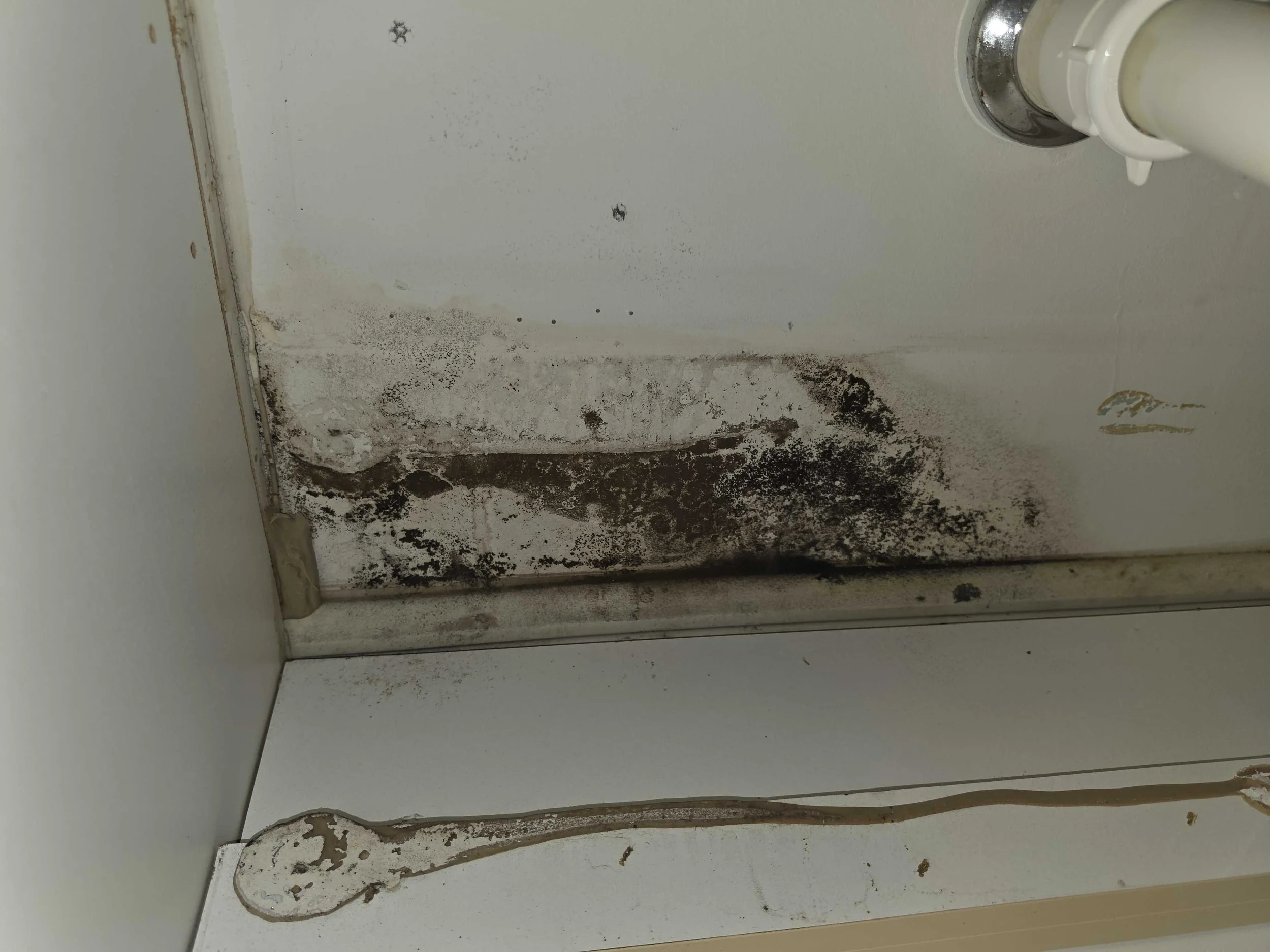
The indicators to watch for during this period are a musty odor that develops or intensifies, particularly after rain or when the AC cycles on; visible staining or discoloration appearing on repaired surfaces; and household members developing respiratory symptoms that correlate with time spent in the home.
On insurance timing: Florida has specific deadlines for filing and supplementing hurricane-related claims. A mold issue discovered at day 80 that traces to the original storm event is generally more straightforward to address within the claim if documentation from the earlier stages exists. Assessments conducted at day 10 and day 30 create the record that supports a supplemental claim at day 80.
The 90-day checkpoint
At roughly 90 days post-storm, most homes have completed the majority of reconstruction and returned to normal use. This is a reasonable point for a final verification assessment, particularly for homes that experienced significant water intrusion.
A post-reconstruction assessment confirms that the completed repairs resolved the underlying conditions and establishes a documented baseline for the property. For homeowners planning to sell within the next several years, that documentation answers the question a future buyer will inevitably ask about storm history. For homeowners staying put, it's confirmation that the recovery actually succeeded rather than an assumption that it did.
The pattern worth avoiding
The most common negative outcome in Southwest Florida post-storm recovery is not a homeowner who did nothing. It's a homeowner who did everything in the correct sequence except verification, moved back in, and discovered eight months later that a portion of the drying was incomplete. At that point the reconstruction is done, the contractor has moved on, the insurance claim may be closed, and the remediation scope is significantly larger than it would have been at day 20.
The assessments described in this timeline are not additional steps layered onto an already difficult process. They're the checkpoints that determine whether the rest of the process actually worked.