Mold in a Naples or Fort Myers Condo: Where Unit Ownership Ends and the Association Begins
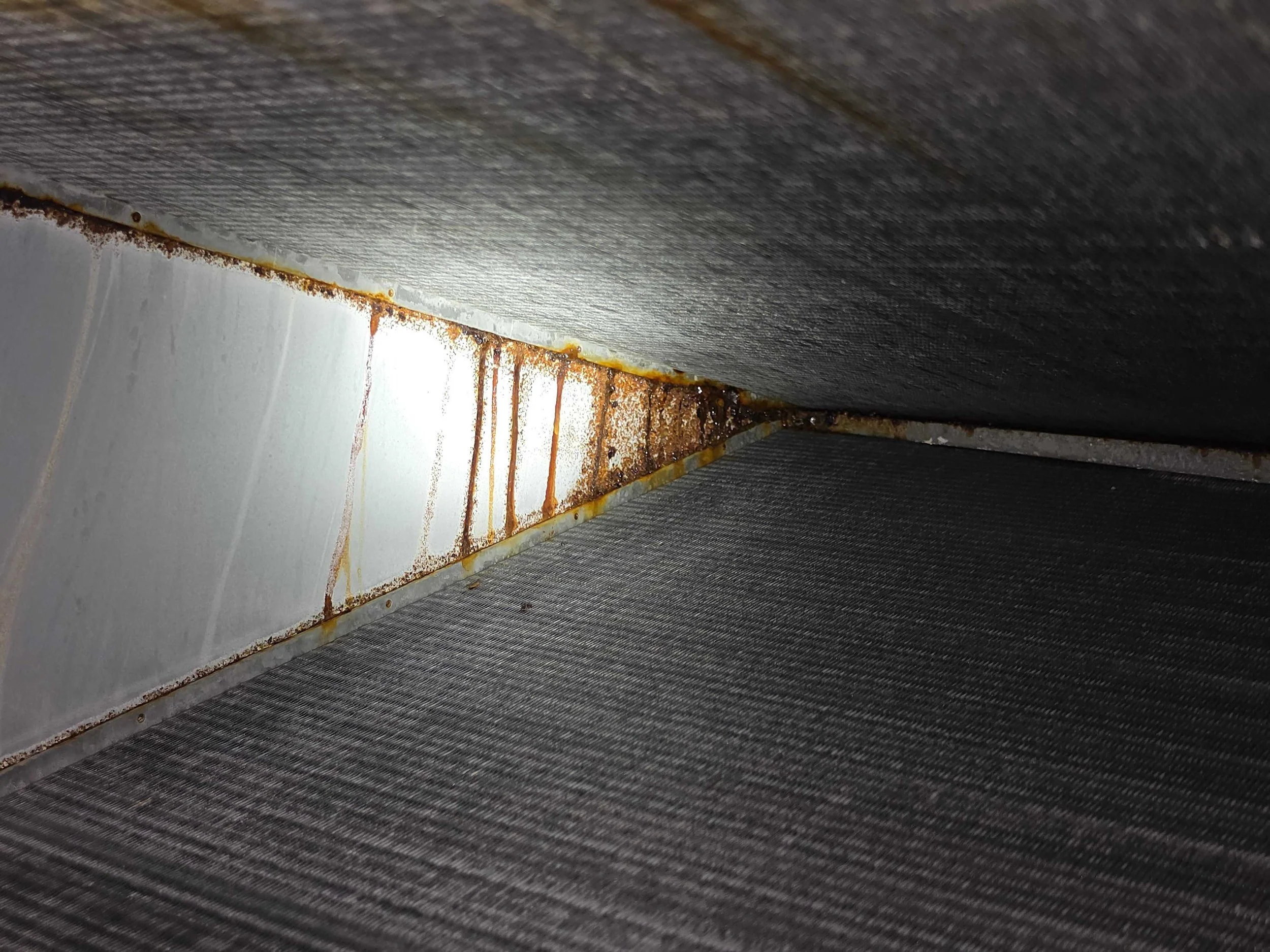
Condo ownership in Southwest Florida comes with a division of responsibility that most owners never think about until something goes wrong. You own your unit. The association maintains the common elements. Between those two categories sits a boundary that is defined in the condominium documents, and mold problems have an unfortunate tendency to originate precisely at that boundary.
Understanding how that division typically works, and what determines which side of it your particular issue falls on, is the difference between a resolved problem and a prolonged dispute with your association.
How Florida condo responsibility is typically structured
Florida Statute 718 governs condominium associations and establishes that the association is responsible for maintaining, repairing, and replacing the common elements, while unit owners are responsible for maintaining their units. The specific boundary between unit and common element is defined in each condominium's declaration, and those definitions vary between buildings.
In most Southwest Florida condominium declarations, the unit boundary is defined at the unfinished surfaces of the perimeter walls, floors, and ceilings. Everything inside that boundary, including drywall finish, flooring, cabinetry, and interior fixtures, belongs to the owner. Everything outside it, including the structural components, exterior walls, roof, and typically the plumbing and mechanical systems that serve more than one unit, is a common element maintained by the association.
Why this matters for mold: the source of the moisture determines responsibility, not the location of the visible growth. Mold appearing on the interior surface of a unit's drywall may have originated from a roof leak, a failed window seal in the building envelope, or a plumbing riser inside a common wall, all of which are typically association responsibilities even though the visible damage is inside the unit.
The common sources in SWFL condominiums
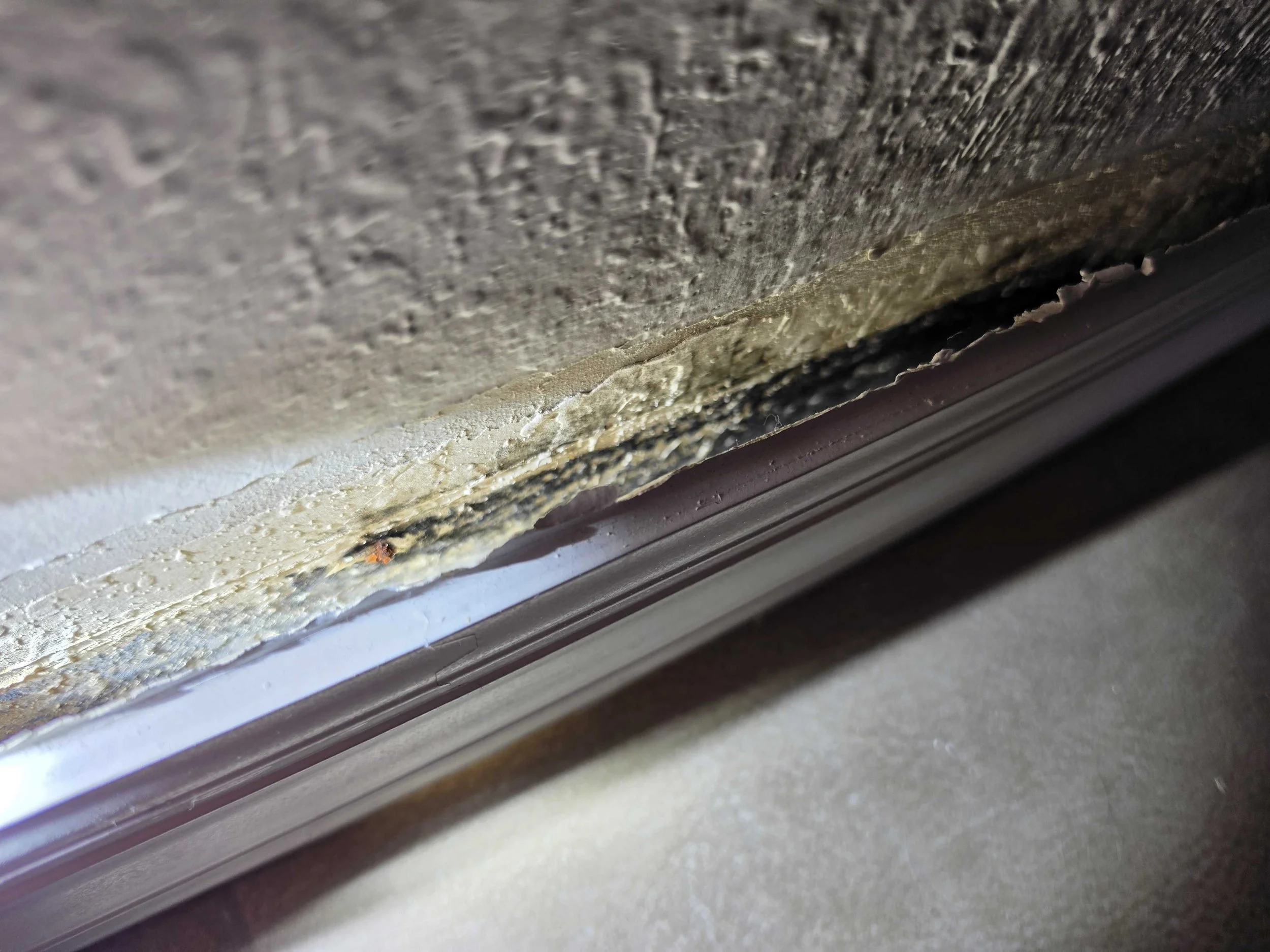
Building envelope failures are among the most frequent. In coastal Southwest Florida, window and sliding door assemblies take significant weather exposure, and seal failures allow water intrusion into wall assemblies. The water travels within the wall and often appears as staining or growth at a location well away from the actual point of entry.
Plumbing risers and horizontal supply lines running through common walls or above ceilings serve multiple units and are typically association-maintained. A slow leak in a riser can affect several units vertically before anyone identifies the source. Similarly, HVAC condensate lines that run through common chases, and shared mechanical equipment in older buildings, sit on the association side of the boundary.
On the unit owner side, the most common sources are in-unit plumbing fixtures and supply lines, appliance connections such as dishwashers and refrigerator water lines, in-unit HVAC air handlers and their condensate management, and bathroom ventilation that is inadequate or not used.
Typically association
Roof and roof penetrations
Exterior walls and envelope
Window and door assemblies
Plumbing risers in common walls
Shared mechanical systems
Balcony and terrace waterproofing
Typically unit owner
Interior finishes and drywall
In-unit plumbing fixtures
Appliance water connections
In-unit air handler and condensate
Bathroom and kitchen ventilation use
Interior cabinetry and flooring
The above reflects common structures in Southwest Florida condominium declarations. Your specific documents govern. Review your declaration or consult your association for your building's actual boundary definitions.
Why associations and owners both benefit from independent assessment
Condominium mold disputes frequently stall because both parties are arguing about cause without evidence. The owner believes the source is in the building envelope. The association believes it's an in-unit issue. Neither has documentation supporting their position, and the conversation goes in circles while the condition persists.
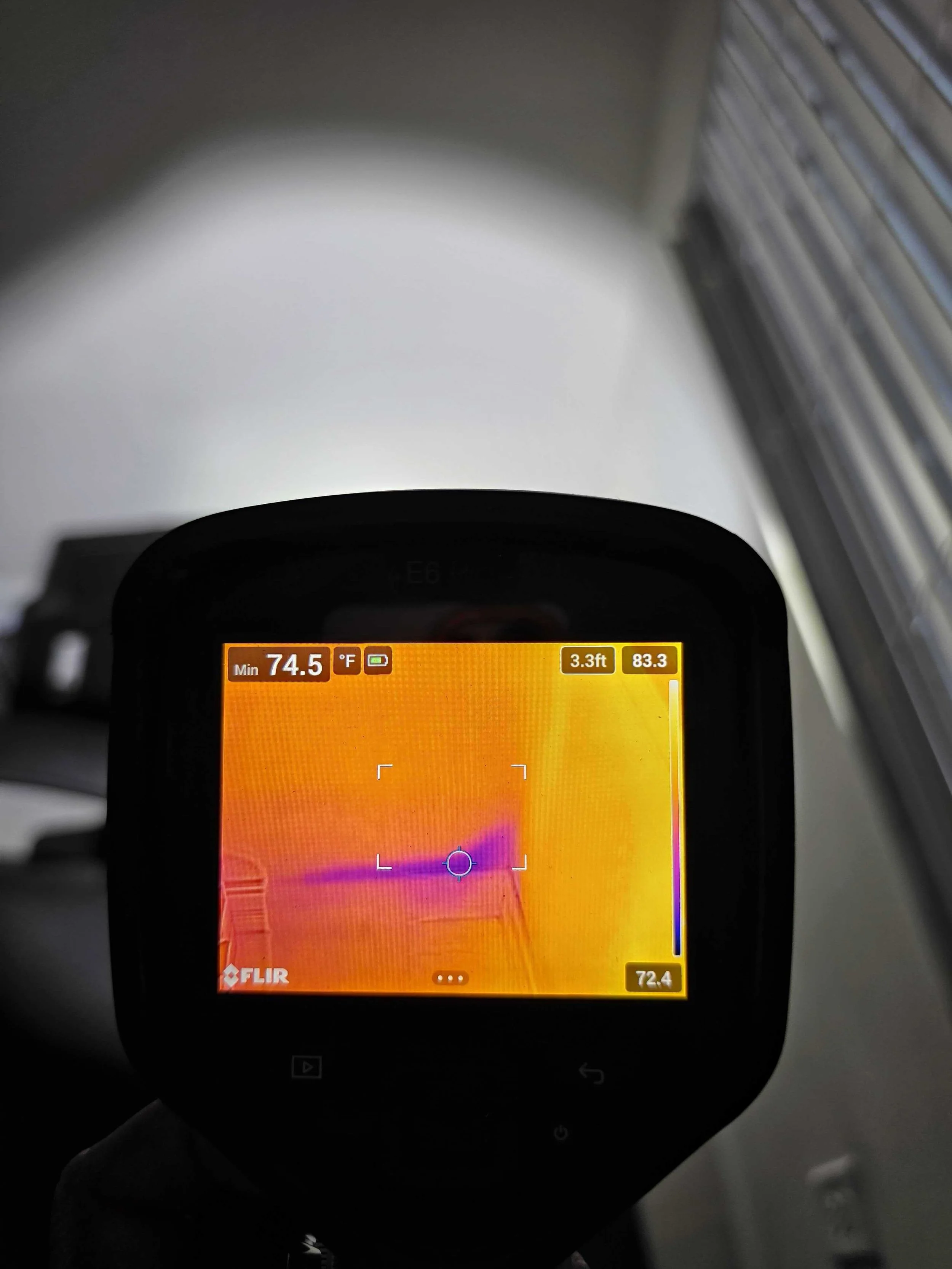
An independent mold assessment resolves this by producing a probable cause determination from a licensed third party. The assessment traces moisture patterns, identifies elevated spore levels and their likely origin, and documents the physical findings. That determination gives both the owner and the association a factual basis for allocating responsibility rather than a disagreement to escalate.
For associations in particular, an independent assessment also serves a portfolio function. When one unit reports a concern, the assessment often reveals whether the condition is isolated or whether adjacent units are likely affected by the same source. Identifying a building-wide envelope issue through one unit's assessment is significantly less expensive than addressing it after five owners have filed complaints.
Practical steps for a condo owner
Notify the association in writing as soon as you identify a concern, describing what you observed and when. Written notice creates a record and starts the clock on the association's response obligation. Photograph the conditions with dates. Do not begin repairs or remove affected materials before the source has been identified, as that removes the evidence needed to determine cause.
Request that the association investigate. If the association's response is inadequate or the cause remains disputed, an independent assessment commissioned by the owner produces documentation the association must respond to. Review your declaration to understand your building's specific boundary definitions before the conversation, so you know what you're actually discussing.
Practical steps for an association or property manager
Respond to owner reports promptly and in writing. Delay is the single largest driver of escalation in condominium mold disputes. Commission an independent assessment early rather than after multiple complaints accumulate, and scope it to consider adjacent units and shared building components rather than only the reporting unit.
Where an assessment identifies an association-side source, obtain post-remediation verification after the corrective work is complete. That documentation protects the association from repeat claims on the same condition and establishes that the obligation was met.
Condo owner, board member, or property manager in Naples or Fort Myers?
SWFL Mold Pros provides independent mold assessments for condominium properties across Southwest Florida. Objective findings, probable cause determination, written documentation both parties can rely on.