Mold in a Florida Rental: Who Is Actually Responsible?
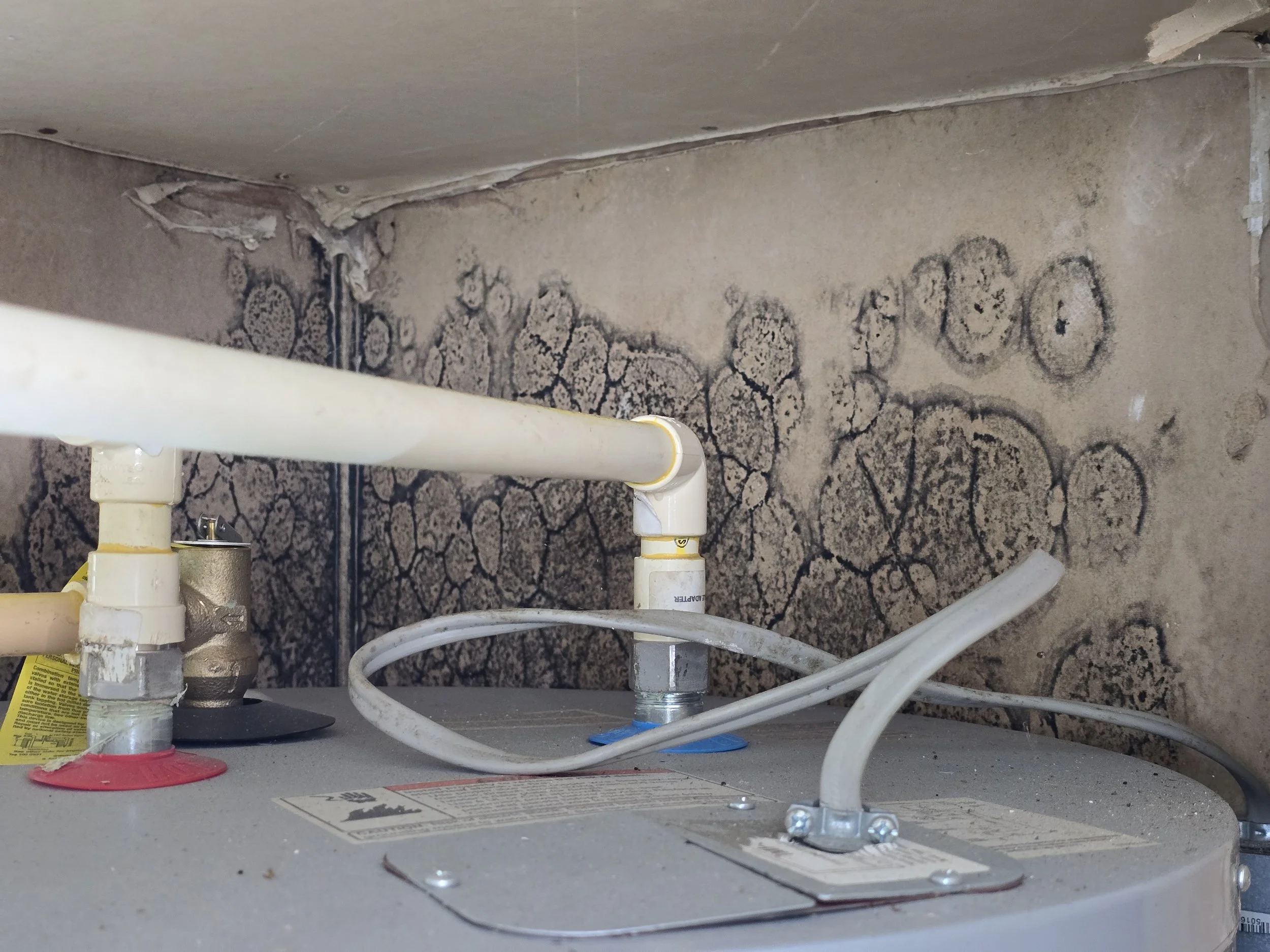
Mold in a rental property creates a difficult situation for everyone involved. The tenant wants the problem addressed. The landlord wants to understand whether it's a building issue or a use issue. Both sides often have incomplete information, and the conversation frequently becomes adversarial before anyone has established the facts.
Florida law provides a framework, though not always the clarity either party expects. Understanding what the law actually addresses, and where responsibility is typically determined by cause rather than statute, helps both landlords and tenants navigate the situation with less friction.
What Florida law addresses
Florida Statute 83.51 establishes a landlord's obligation to maintain a rental property in compliance with applicable building, housing, and health codes, and to maintain structural components including roofs, windows, doors, floors, and exterior walls in good repair and capable of resisting normal forces and loads. It also requires maintaining plumbing in reasonable working condition.
What the statute does not do is name mold specifically or establish a mold-specific standard for habitability. There is no Florida statute setting a permissible spore count in a rental unit or defining at what point mold renders a unit uninhabitable. That absence is what creates most of the ambiguity.
The practical framework: in most Florida rental disputes involving mold, responsibility follows the moisture source. If mold resulted from a building deficiency the landlord is obligated to maintain, such as a roof leak, plumbing failure, or envelope defect, the responsibility generally falls to the landlord. If it resulted from tenant behavior, such as failing to use exhaust ventilation, blocking airflow, or not reporting a leak in a timely manner, responsibility shifts toward the tenant.
Where the line gets blurry
Southwest Florida's climate makes the tenant behavior question more complicated than it would be elsewhere. A tenant who sets the thermostat high to save on electricity in a unit where the landlord installed an undersized HVAC system has contributed to conditions favoring mold, but so has the landlord. A tenant who reports a slow leak two months after noticing it has delayed the response, but the leak itself was a plumbing failure the landlord is obligated to maintain.
These situations rarely resolve cleanly through argument. They resolve through documentation of what actually caused the moisture and when. That determination is the function of an independent assessment.
Why independent assessment protects both sides
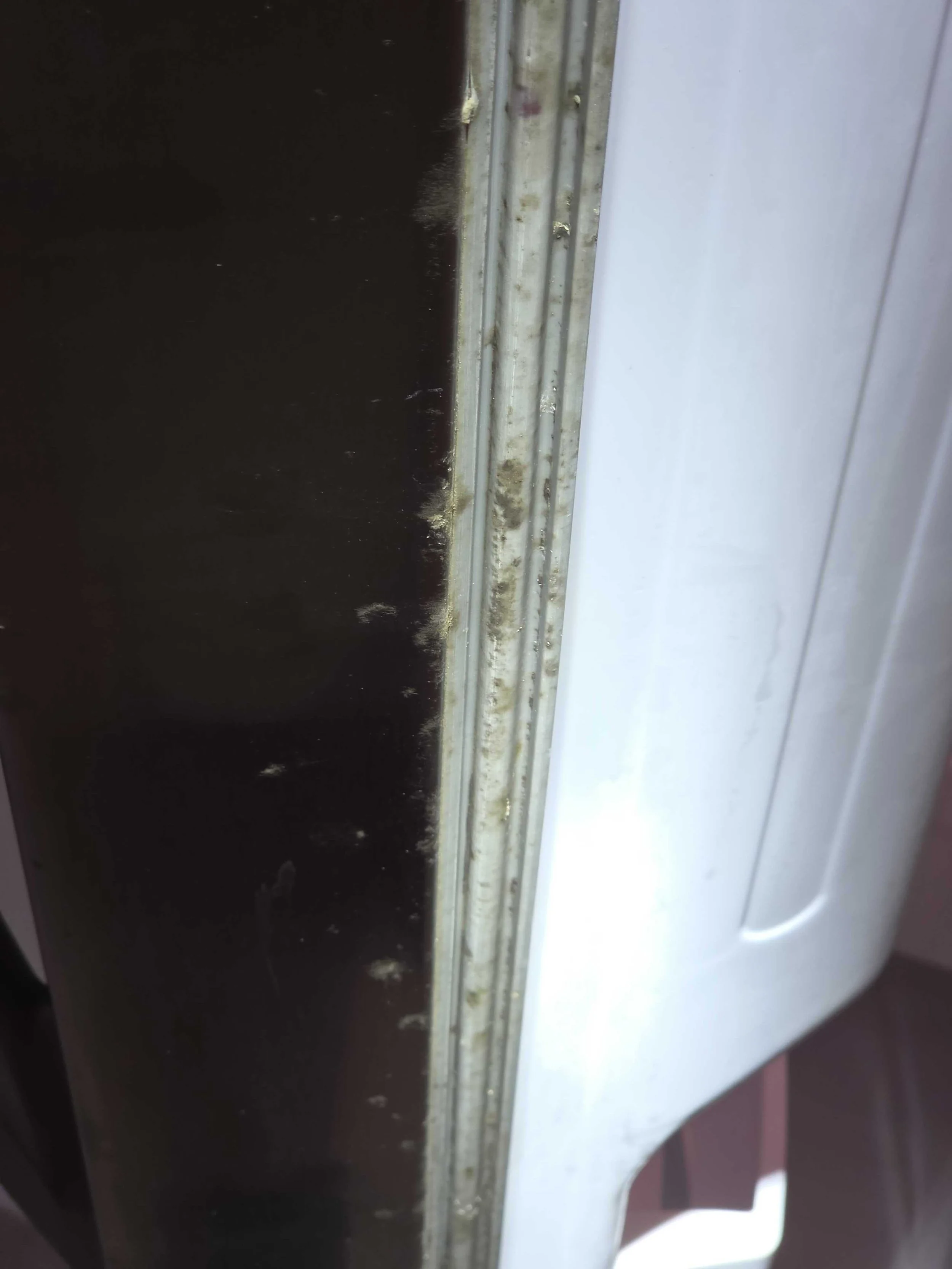
For a tenant, a licensed mold assessment converts a complaint into documented evidence. A written report from a licensed assessor identifying elevated indoor spore levels and tracing them to a specific moisture source is substantially more effective than photographs and a description of symptoms. It also establishes a timeline, which matters if the dispute escalates.
For a landlord, the same report provides equally valuable protection. If the assessment finds no elevated levels, the landlord has documentation responding to the complaint. If it identifies a source attributable to tenant use rather than building condition, that finding is documented by a third party rather than asserted by the property owner. And if it identifies a genuine building deficiency, the landlord has a defined scope for repair rather than an open-ended obligation.
What protects the tenant
Report complaints in writing, dated
Photograph conditions as they develop
Keep records of all communication
Request independent assessment
Document any health-related visits
What protects the landlord
Respond to complaints in writing promptly
Document all maintenance and repairs
Order independent assessment early
Address identified sources completely
Obtain post-remediation verification
Property managers and the multi-unit context
For property management companies operating in Naples, Fort Myers, and Cape Coral, mold complaints across a portfolio create a different set of considerations. A single unit complaint may reflect a unit-specific issue or may be an early indicator of a building-wide condition affecting adjacent units.
Assessing one unit while ignoring the building context often produces incomplete answers. When a moisture source traces to a shared wall assembly, a common plumbing chase, or a shared HVAC configuration, addressing the complaining unit alone leaves the underlying condition in place. An assessment scoped to consider the building context, not just the unit generating the complaint, produces more useful results for a property manager.
The timing question
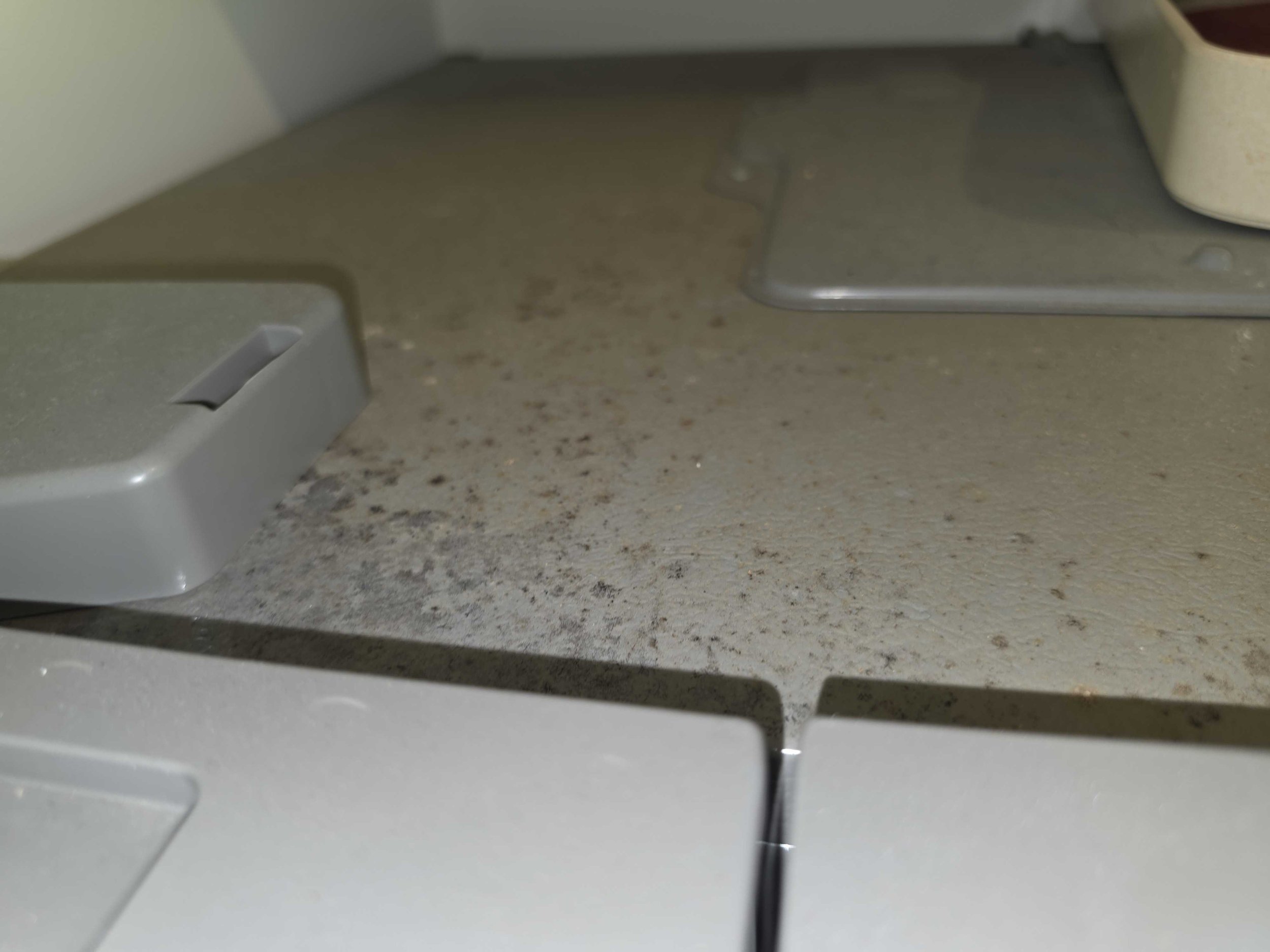
The most common mistake in rental mold disputes is delay. A tenant who waits several months before formally reporting a concern weakens their position and allows the condition to worsen. A landlord who dismisses an initial complaint without investigation faces a larger problem, and a more difficult conversation, when the issue escalates.
The most efficient path for both parties is early independent assessment. It costs less than the dispute that follows a delayed response, it produces documentation both sides can rely on, and it identifies the actual scope of the issue while addressing it is still straightforward.
A note on scope
An assessment determines what is present and identifies probable cause. It does not adjudicate legal responsibility between a landlord and tenant, and it does not substitute for legal advice. Where a dispute involves lease terms, notice requirements, or potential remedies under Florida landlord-tenant law, an attorney is the appropriate resource. What an assessment provides is the factual foundation that any such conversation depends on.
Landlord, tenant, or property manager dealing with a mold concern?
SWFL Mold Pros provides independent mold assessments across Southwest Florida. Written reports, accredited lab analysis, objective findings both parties can rely on.