Elevated Homes on Marco Island and Sanibel: What Happens in the Space Underneath
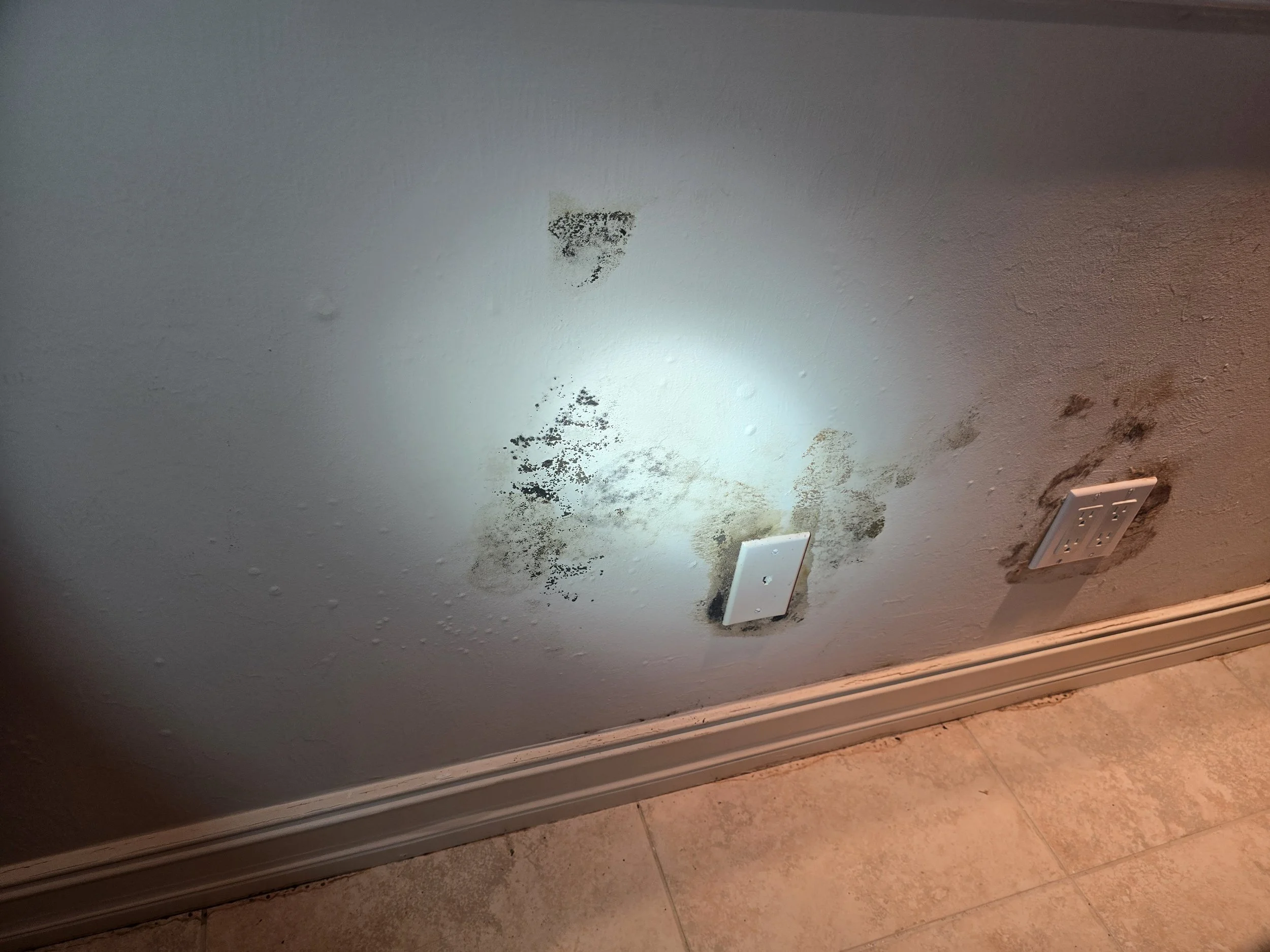
Coastal construction in Southwest Florida follows a specific logic. Homes on Marco Island, Sanibel, Captiva, Fort Myers Beach, and low-lying areas of Bonita Springs are elevated above base flood elevation for good reason: to keep the living space above storm surge. That design decision protects the home during a flood event, but it also creates a condition that affects the home every day of the year.
The space beneath an elevated home, whether it's an open pile foundation, an enclosed crawl area, or a partially enclosed ground level used for parking and storage, is directly exposed to the coastal environment. It is humid, it is close to the water table, and it sits immediately beneath the floor assembly of the living space above. What happens in that space does not stay in that space.
Why the underside matters to the air you breathe
Air moves vertically through buildings. Warm air rises, creating negative pressure at lower levels that draws replacement air in from below. In an elevated home, a meaningful portion of that replacement air comes from the space underneath, entering through floor penetrations, plumbing chases, electrical openings, ductwork gaps, and the floor assembly itself.
This means the air quality conditions beneath an elevated home directly influence the air quality inside it. If the subfloor space has elevated moisture and biological growth on floor joists, subfloor sheathing, or insulation, the spores from that growth have a direct pathway into the living space above. Homeowners often search for a source inside the home while the actual source is beneath their feet.
A frequently missed source: ductwork running through the space beneath an elevated home is common in coastal SWFL construction. Duct insulation exposed to high humidity, duct connections that have loosened over time, and air handler equipment located in a partially enclosed ground level all create pathways for moisture-laden air and spores to enter the conditioned airstream directly.
What develops in coastal subfloor spaces
Floor joists and subfloor sheathing are the most common locations for growth. These are typically wood assemblies, exposed on the underside, in an environment with sustained high humidity. In coastal Southwest Florida, relative humidity beneath an elevated home regularly exceeds levels that support fungal growth on wood surfaces, particularly where airflow is restricted.
Insulation installed between floor joists is a second common area. When batt insulation absorbs moisture from the humid air below, it holds that moisture against the subfloor sheathing above it, creating a sustained wet condition. Faced insulation with the vapor barrier oriented incorrectly for the climate compounds this significantly.
Enclosed or partially enclosed ground levels used for storage present a third scenario. Cardboard boxes, fabric items, and organic materials stored in these spaces provide food sources, and the enclosed condition restricts the airflow that would otherwise limit growth. Many homeowners store belongings in this space without recognizing that it functions as a different environment than the rest of the home.
The salt air factor
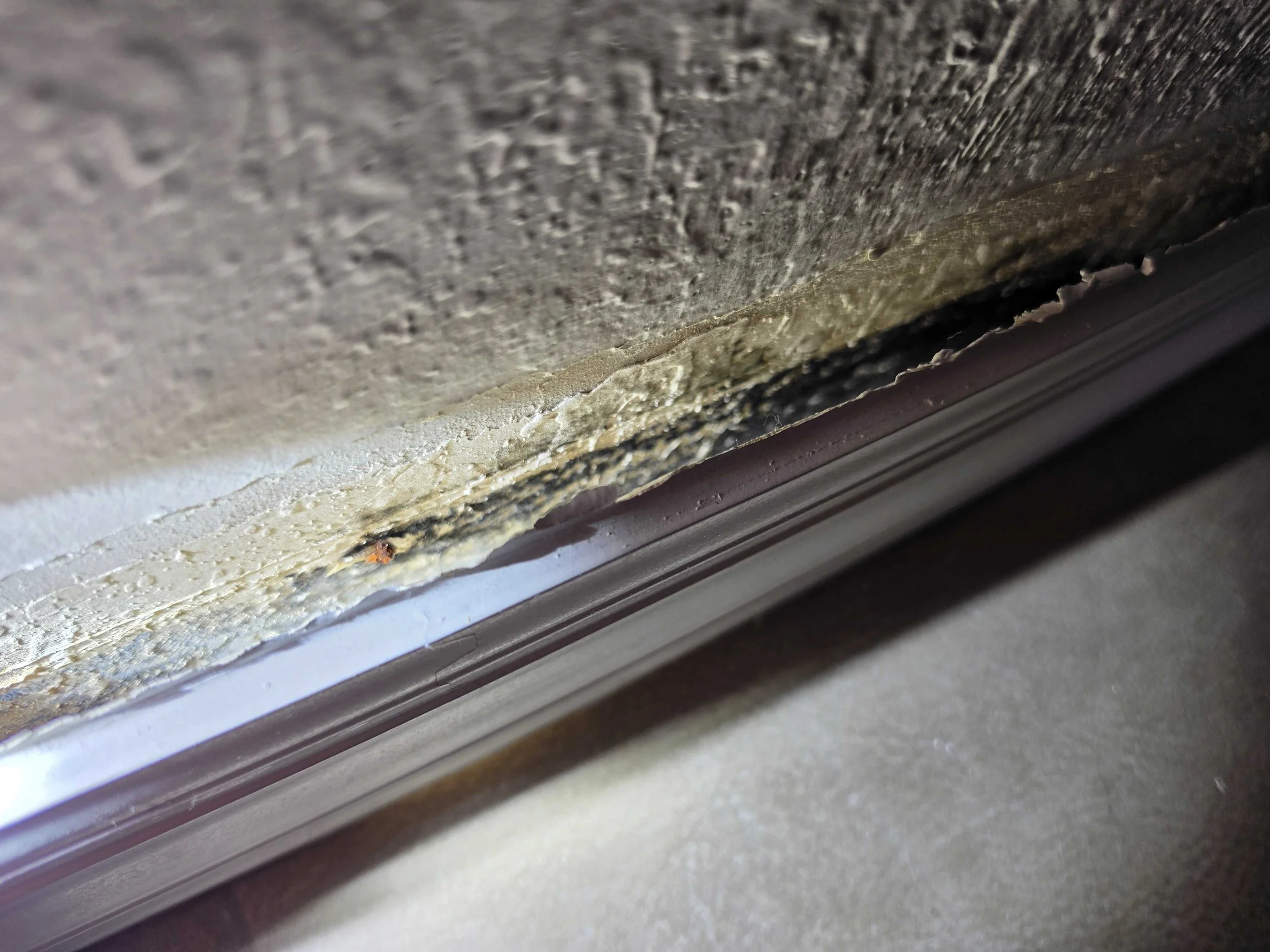
Coastal Southwest Florida adds a variable that inland properties don't have. Salt air accelerates corrosion of metal components including duct straps, HVAC equipment housings, electrical connections, and fasteners in the floor assembly. Corroded connections loosen, which creates gaps, which creates additional pathways for humid air movement into the structure above.
Salt deposits on surfaces are also hygroscopic, meaning they attract and hold atmospheric moisture. A surface with accumulated salt deposits maintains a higher local moisture level than a clean surface in the same environment. Over years, this creates conditions on structural components that are measurably more favorable to growth than the ambient humidity alone would suggest.
What an assessment of an elevated home involves
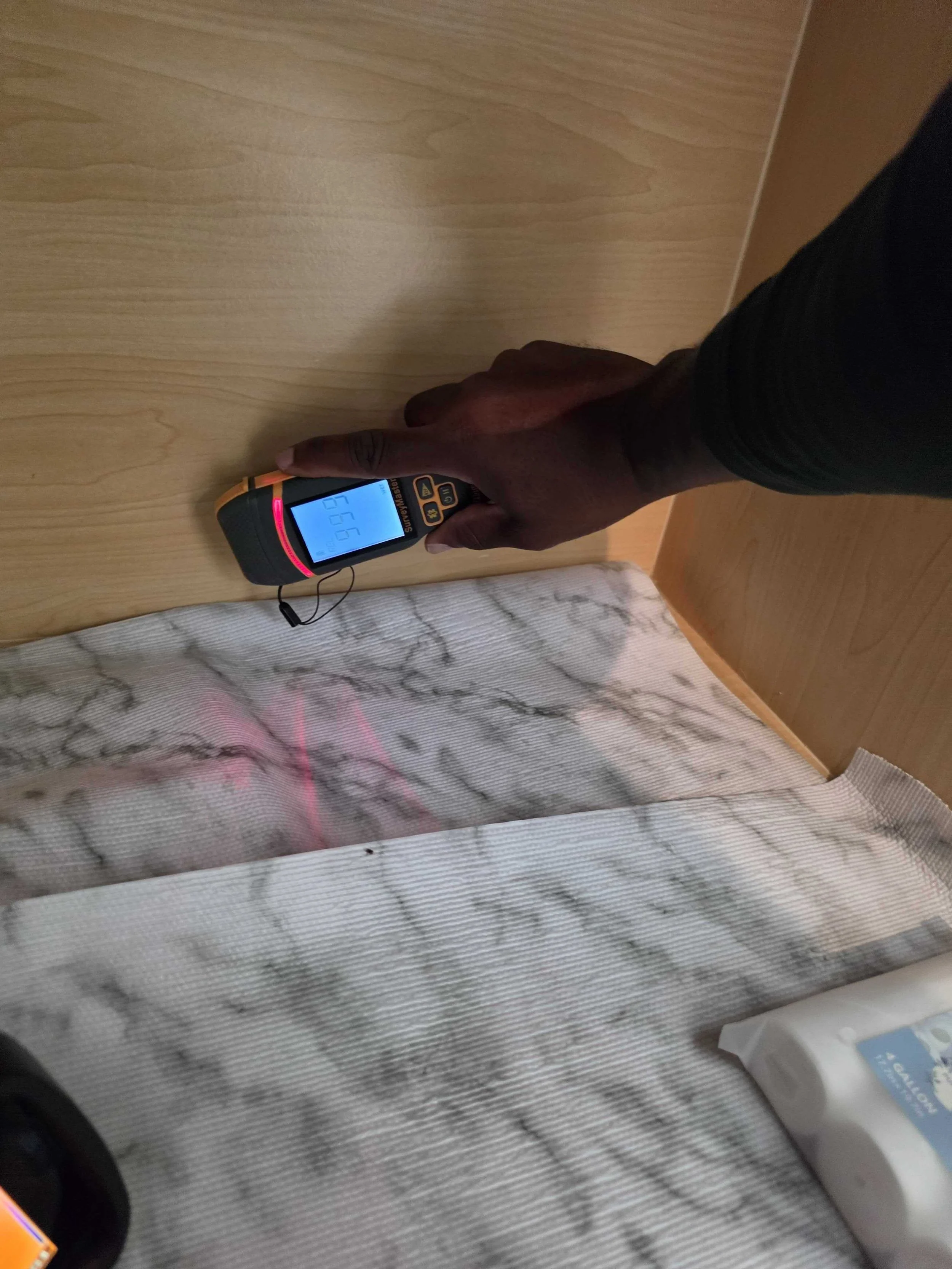
Assessing an elevated coastal home requires evaluating both the living space and the space beneath it as related environments rather than separate ones. That means moisture readings on floor joists and subfloor sheathing from below, evaluation of insulation condition and vapor barrier orientation, inspection of ductwork and any mechanical equipment located beneath the living space, and air sampling both above and, where accessible, below.
The comparison between those samples is often the most informative element. When spore profiles in the living space mirror those found beneath it, and both differ from the outdoor control, the pathway is established. That finding directs remediation to the actual source rather than to the location where symptoms were noticed.
Floor joists and subfloor sheathing for moisture content and visible growth
Insulation condition, saturation, and vapor barrier orientation
Ductwork integrity, insulation condition, and connection points
HVAC equipment located in the ground level or subfloor area
Floor penetrations for plumbing and electrical that create air pathways
Stored materials and enclosed areas that restrict airflow
When to assess an elevated coastal home
Before purchasing is the highest-value timing. Elevated coastal properties in Marco Island, Sanibel, and Fort Myers Beach frequently change hands, and the condition of the subfloor space is rarely evaluated during a standard home inspection beyond a visual observation of accessible areas.
After any storm event that brought water into or against the ground level, assessment is warranted regardless of whether the living space above was affected. Storm surge and driven rain reaching the underside of an elevated home leaves conditions that persist well after the visible water is gone.
For homeowners without a specific triggering event, periodic assessment makes sense given the environment. The conditions beneath a coastal elevated home do not improve on their own, and the gradual nature of the change means the difference between year three and year eight is rarely noticeable from inside the home.
What this means practically
The value of an elevated home in Southwest Florida is substantial, and the elevation itself is protecting the property from the risk it was designed for. None of that changes. What changes with an assessment is whether you're managing the daily environmental condition beneath the home with information or without it.
For a property type this common in coastal SWFL, and this consistently overlooked in standard inspections, the space underneath deserves attention proportional to its influence on the space above.
Own or buying an elevated home on Marco Island, Sanibel, or Fort Myers Beach?
SWFL Mold Pros provides mold assessments and indoor air quality testing for coastal elevated properties across Southwest Florida, evaluating both the living space and the environment beneath it.