Dehumidifiers, ERVs, and Fresh Air Systems: What Actually Controls Humidity in a SWFL Home
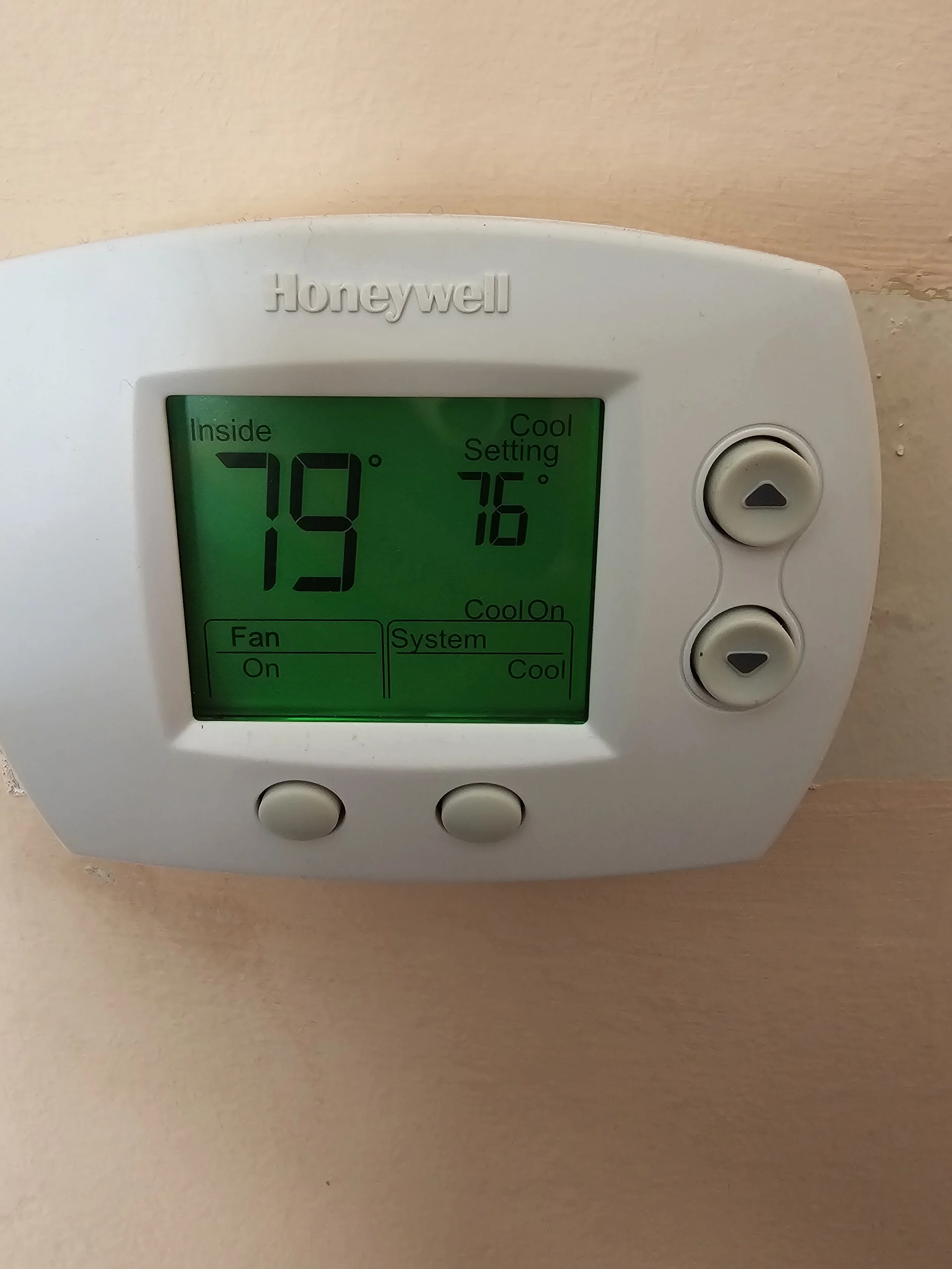
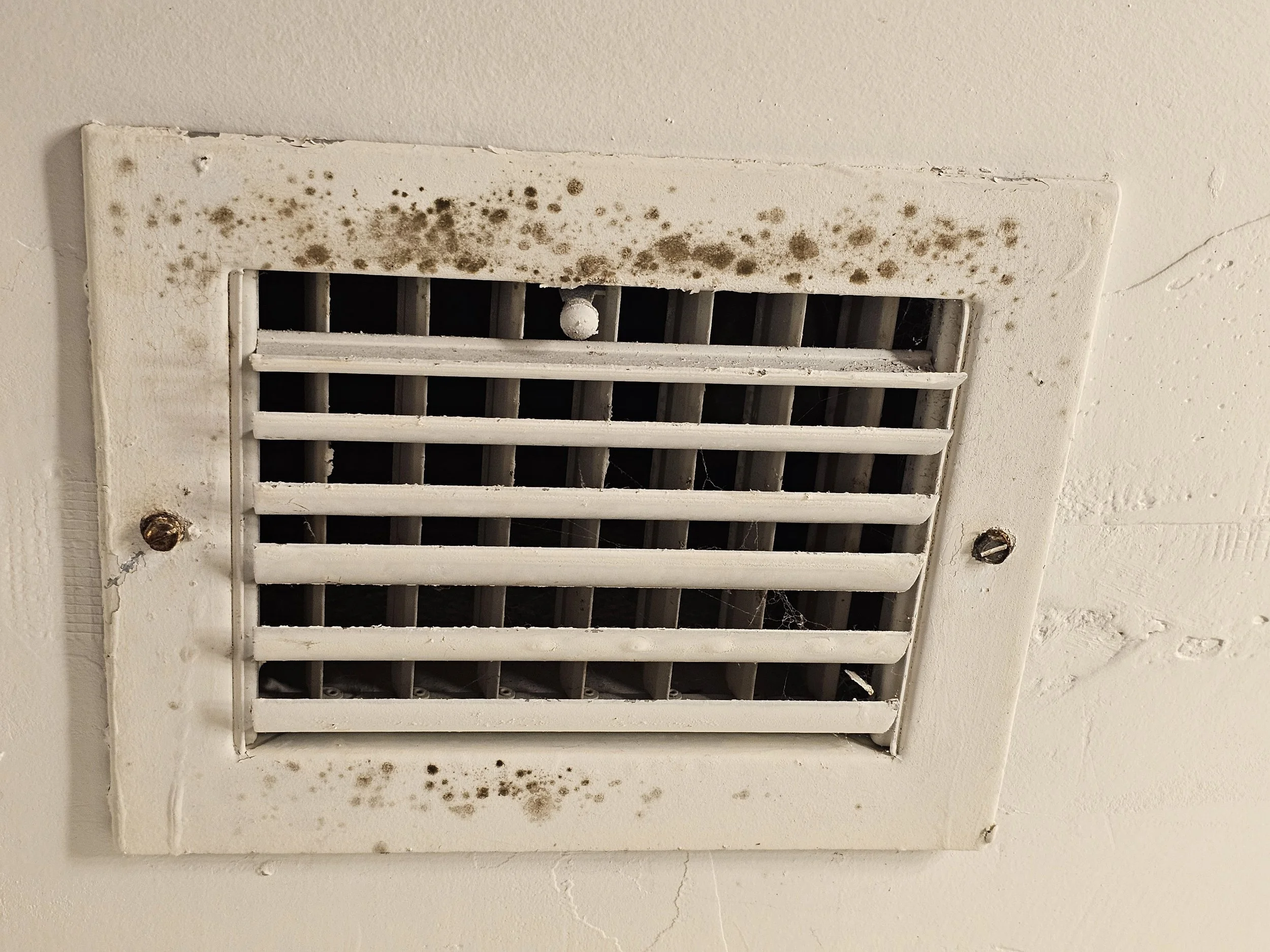
Most Southwest Florida homeowners understand that humidity is the underlying driver of mold problems. Fewer understand what actually controls it, and the assumption that air conditioning alone handles the job is one of the more consistent misconceptions in the region.
Air conditioning does remove moisture. But it removes moisture as a byproduct of cooling, not as its primary function, and that distinction produces predictable failure modes in Florida homes. Understanding what each type of humidity control equipment actually does clarifies why some homes maintain comfortable, stable conditions and others don't.
Why air conditioning alone falls short
An air conditioner dehumidifies when warm, humid air passes across a cold evaporator coil and moisture condenses out. That process requires the system to be running. When the thermostat is satisfied, the compressor cycles off, and dehumidification stops entirely.
This creates a specific problem in Southwest Florida. On a mild, rainy day, outdoor temperature might be 78 degrees with 90 percent humidity. The home doesn't need much cooling, so the AC runs very little. Indoor humidity climbs even though the temperature is comfortable. This is why homes can feel clammy and develop moisture problems during shoulder seasons and rainy periods despite the AC working perfectly.
Oversized AC systems compound this. A system with more cooling capacity than the home requires satisfies the thermostat quickly, runs in short cycles, and never operates long enough per cycle to remove meaningful moisture. Counterintuitively, an oversized system produces worse humidity control than a correctly sized one.
The measurable target: indoor relative humidity between 45 and 55 percent is generally considered the range that supports comfort while limiting conditions favorable to mold growth. Above 60 percent sustained, the risk of biological growth on interior surfaces and within assemblies increases meaningfully. A basic hygrometer costing very little tells you where your home actually sits.
Whole-house dehumidifiers
A whole-house dehumidifier is a dedicated appliance that removes moisture independently of the cooling cycle. It's typically installed in line with the HVAC system or as a standalone unit ducted into the return, and it operates based on a humidistat rather than a thermostat.
The key advantage is independence. When humidity rises but temperature does not, the dehumidifier runs and the AC does not. That covers exactly the scenario where AC-only systems fail. For Southwest Florida homes, particularly those with efficient envelopes, oversized cooling systems, or periods of low occupancy, this addresses the primary gap.
Whole-house units also handle capacity that portable units cannot. A portable dehumidifier in one room does very little for a 2,500 square foot home, though it may be appropriate for a specific problem area like a closet or a storage room.
ERVs and HRVs
Energy recovery ventilators and heat recovery ventilators address a different problem: fresh air. Modern construction is significantly tighter than older construction, which is good for energy efficiency but reduces the natural air exchange that historically diluted indoor pollutants and moisture generated inside the home.
An ERV brings in outdoor air and exhausts indoor air simultaneously, passing both through a core that transfers heat and, in the case of an ERV, moisture between the two streams. The transfer means incoming outdoor air is pre-conditioned by the outgoing indoor air, reducing the load on the HVAC system.
In a humid climate like Southwest Florida, ERV selection matters. An ERV transfers moisture, which in this climate means transferring some humidity from incoming outdoor air to the outgoing stream, reducing the moisture load. An HRV transfers only heat, which in a Florida application means bringing in humid outdoor air with the moisture load intact. For SWFL, an ERV is generally the appropriate choice, though it must be sized and configured for the climate.
Whole-house dehumidifier
Removes moisture independently
Runs on humidistat, not thermostat
Covers mild, humid conditions
Handles low-occupancy periods
Does not bring in fresh air
ERV or fresh air system
Provides controlled outdoor air
Dilutes indoor pollutants
Recovers energy from exhaust
Addresses tight envelope issues
Adds moisture load if misconfigured
Where systems commonly fail in SWFL homes
Improper installation is the most frequent issue. Dehumidifier drain lines that clog and back up, ERV cores that were never cleaned and are now restricted, controls that were set at commissioning and never revisited, and equipment installed in unconditioned attic space where it works against itself.
Configuration errors follow closely. Fresh air intakes located near a dryer vent, a driveway, or a lawn equipment storage area. ERVs configured for a heating-dominant climate rather than a cooling and dehumidification-dominant one. Dehumidifier setpoints left at a value that never triggers operation.
Lack of monitoring is the third. Most homeowners have no visibility into whether their humidity control equipment is actually maintaining target conditions. Equipment can fail silently for months, with the first indication being a musty odor or a visible condition that has been developing throughout.
How assessment and equipment relate
An indoor air quality assessment measures the conditions your equipment is or isn't producing. Relative humidity readings across different areas of the home, surface temperature measurements identifying condensation-prone areas, moisture content in building materials, and air sampling establishing current biological conditions together indicate whether the humidity control strategy is working.
That data is also what makes an equipment decision informed rather than speculative. A homeowner considering a whole-house dehumidifier benefits from knowing that indoor humidity currently sits at 68 percent during typical operation, that a specific area of the home runs consistently higher, and that current biological conditions reflect that history. Buying equipment without that information means guessing at both the need and the sizing.
What to check in your own home
Place a hygrometer in the main living area and one in the area you suspect runs most humid, often a master closet, a guest room that stays closed, or a room on the north side of the home. Check readings across different weather conditions, particularly on mild rainy days when the AC runs least.
If readings consistently exceed 60 percent, the current setup is not maintaining conditions and equipment or configuration changes are worth evaluating. If readings vary significantly between locations, the issue may be air distribution rather than dehumidification capacity.
For Southwest Florida homes, humidity control is not a comfort upgrade. It's the primary variable determining whether the conditions that support mold growth exist inside your home on an ongoing basis. Equipment that actually maintains target conditions is the most effective preventive measure available.
Want to know what your home's actual humidity conditions are?
SWFL Mold Pros provides indoor air quality assessments across Southwest Florida, including humidity mapping, moisture readings, and documentation of current conditions.