Air Sampling or Surface Sampling? What Each One Actually Tells You
When a homeowner schedules a mold assessment, they generally expect testing to happen. What they usually don't know is that mold testing isn't one thing. There are distinct sampling methods, they measure different things, and choosing between them without understanding what each answers leads to results that don't address the actual question.
The two methods used in nearly every professional mold assessment are air sampling and surface sampling. Understanding what each one does clarifies both what your assessment should include and how to read the results when they come back.
Air sampling: what is circulating
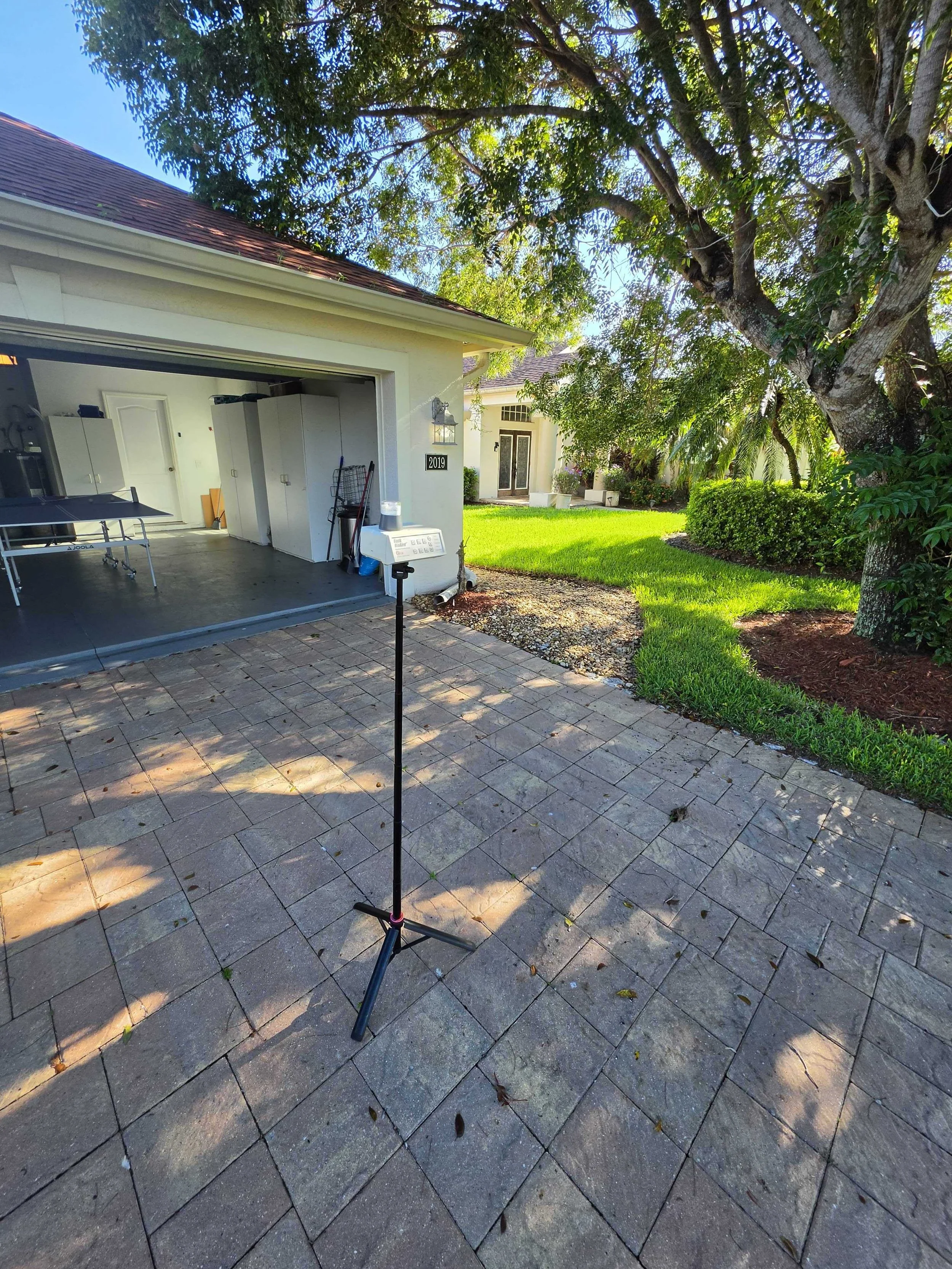
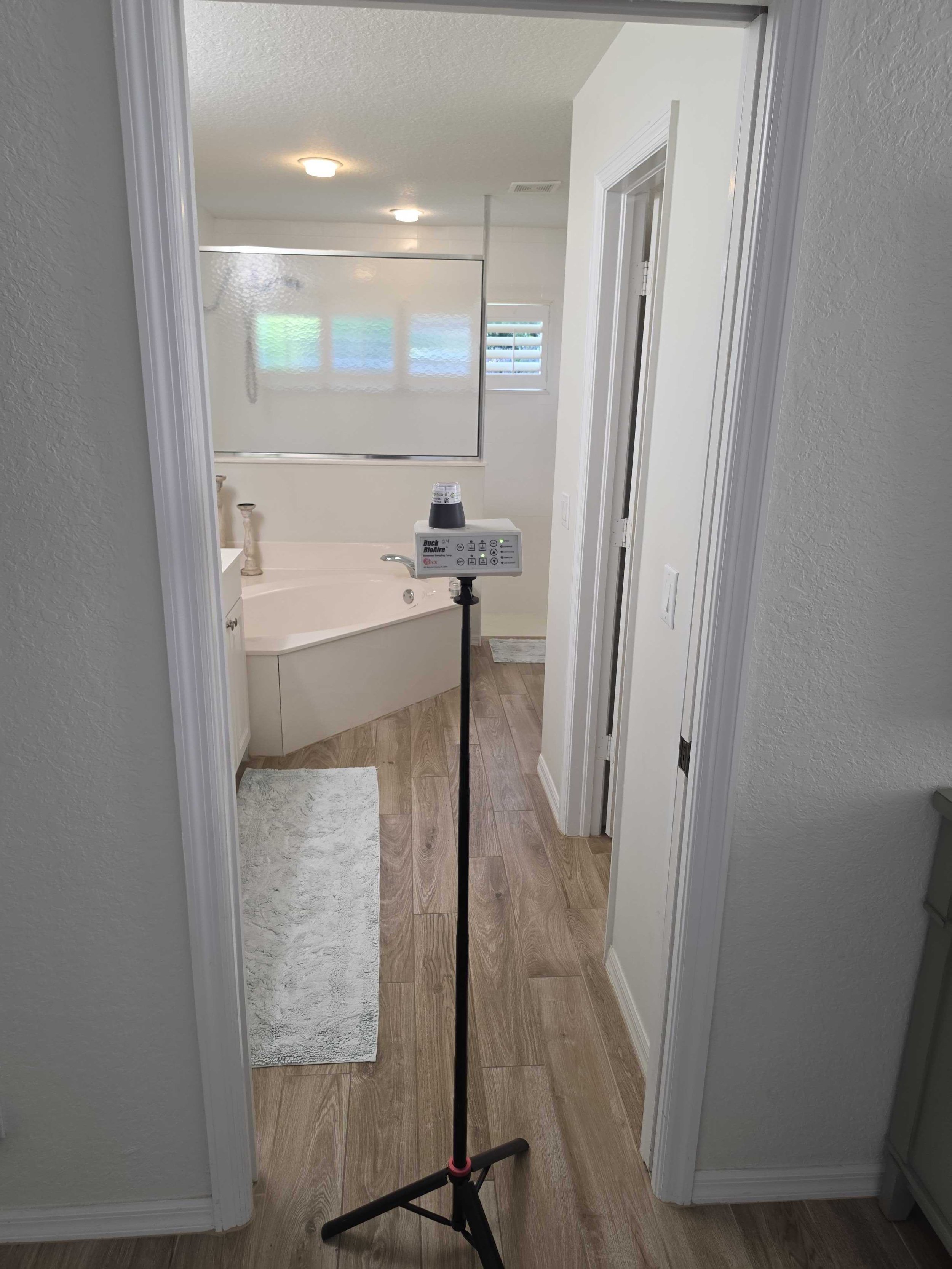
Air sampling measures airborne mold spores in a defined volume of air. A calibrated pump draws air through a collection cassette at a known flow rate for a known duration, capturing particulate onto a slide that a laboratory analyzes under microscopy. Results are reported as spores per cubic meter of air, broken out by spore type.
Air sampling provides information about the mold spores present in the air people are breathing at the time of testing. Mold growth may exist behind walls or within concealed areas without significantly affecting the air in the occupied space. If spores from concealed growth enter the indoor environment, air sampling may help identify an abnormal indoor spore pattern. However, air sampling alone cannot confirm the location of concealed mold growth or rule out mold that is isolated within a wall cavity.
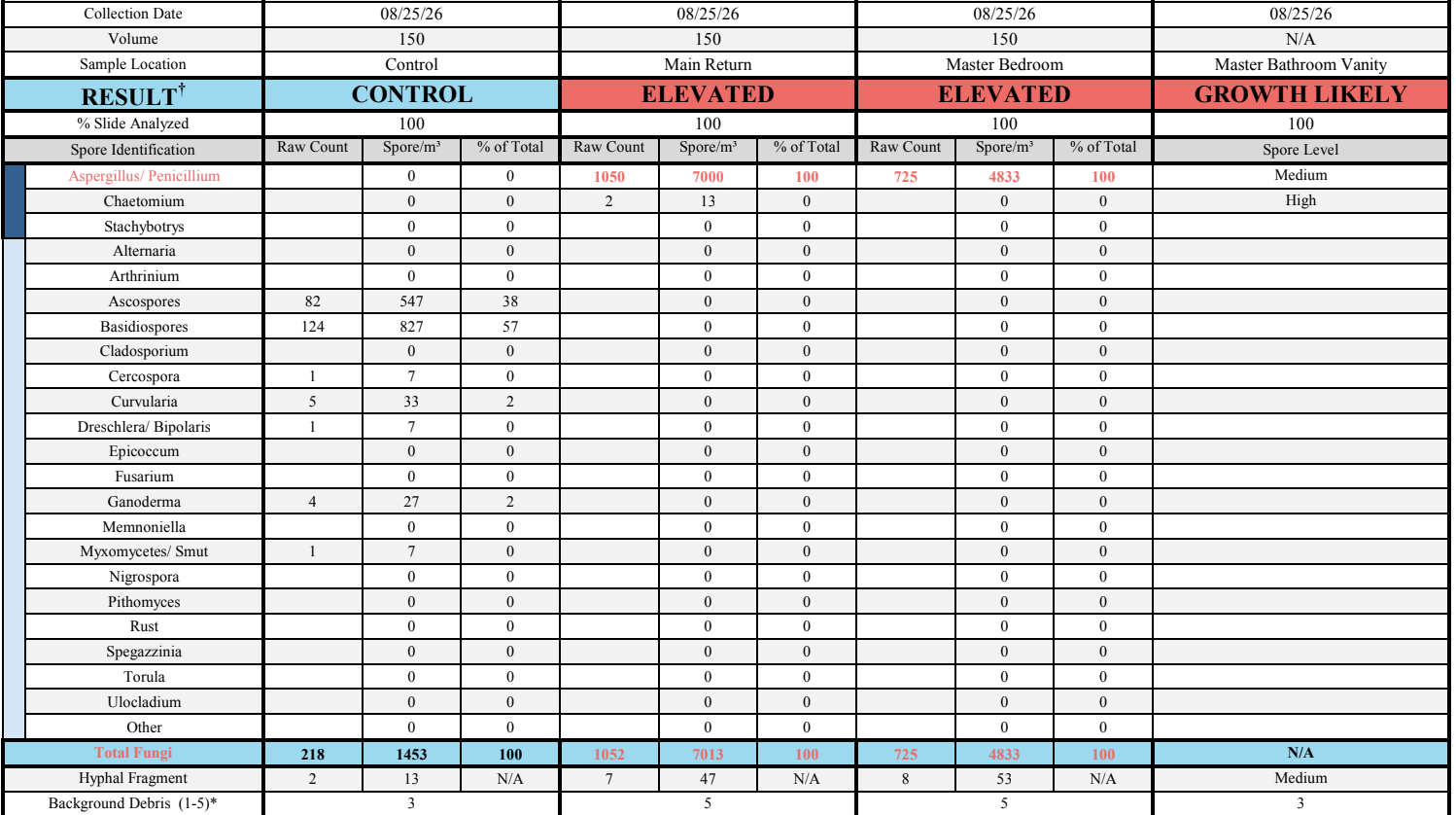
Air sampling is also the method that supports the indoor-to-outdoor comparison that makes results interpretable. A single indoor number has limited meaning. An indoor number compared to a simultaneous outdoor control on the same day, with the same equipment, is what identifies whether an indoor source exists.
The strength of air sampling: it detects the presence of an indoor source even when the source has not been located. If elevated moisture-indicator species appear in indoor air at levels significantly above the outdoor control, something is growing somewhere in the structure, and that finding is actionable even before the physical location is identified.
Surface sampling: what is growing here
Surface sampling identifies what is present on a specific physical surface. The two common methods are tape lifts, where a clear adhesive slide is pressed against the surface and lifted, and swab samples, where a sterile swab collects material from the surface for analysis.
What surface sampling tells you is whether a specific visible condition is mold, and if so, what species. That's a narrower question than air sampling answers, but it's often the exact question a homeowner has: is that dark staining on the bathroom ceiling actually mold, or is it soap residue, mineral deposits, or general soiling?
Surface sampling also confirms species on materials, which matters for scoping remediation. A surface sample identifying Chaetomium on drywall paper indicates sustained water damage to that material and informs the removal scope differently than a finding of common surface Cladosporium in a humid bathroom.
Air sampling answers
Is there an indoor source?
What is circulating in the air?
How do levels compare to outdoors?
Is hidden growth affecting air quality?
Did remediation achieve clearance?
Surface sampling answers
Is this specific spot mold?
What species is growing here?
Is this active growth or settled dust?
What is the extent on this material?
Does this material need removal?
What each method cannot tell you
Air sampling does not locate the source. It establishes that one exists and provides directional information based on where samples were collected and how levels vary between rooms, but the physical investigation, moisture readings, and inspection findings are what identify the location.
Air sampling also represents a moment in time. Spore levels fluctuate based on activity in the space, HVAC operation, and disturbance of settled material. A single air sample is a snapshot, which is why professional assessments typically collect multiple samples across different areas rather than relying on one.
Surface sampling does not tell you about air quality. A surface sample confirming mold on a bathroom ceiling establishes that mold is present on that ceiling. It says nothing about whether spores from that growth are affecting the breathing zone, whether other growth exists elsewhere, or whether the indoor air is otherwise acceptable. Homeowners who rely solely on a surface sample of a visible spot often address that spot while a more significant hidden condition continues elsewhere.
A common limitation to understand: surface sampling on a location with no visible indication is generally not useful. If there is nothing visible to sample, a surface sample of a clean-looking wall will typically return settled ambient spores that were present in the air, not evidence of growth. Surface sampling is targeted at conditions you can see.
Why professional assessments typically use both
The two methods answer complementary questions, and most real situations require both answers. A typical Southwest Florida residential assessment might include air samples in the primary living areas, an air sample in any specific room of concern, an outdoor control sample, and surface samples on any visible conditions identified during the inspection.
That combination establishes whether an indoor source exists and how it's affecting air quality, confirms what any visible conditions actually are, and produces the documentation needed for insurance, real estate, or remediation scoping purposes. Using one method alone leaves a gap that the other would have covered.
Sample count and cost considerations
Each sample carries a laboratory analysis cost, so sample count affects assessment pricing. That reality sometimes leads homeowners to request the minimum. The tradeoff is that fewer samples produce a less complete picture, and an assessment that misses a condition because sampling was too limited hasn't saved anything.
A reasonable approach is to scope sampling based on the specific question being asked. A pre-purchase assessment on a 2,000 square foot home has different sampling needs than a targeted evaluation of one room where a leak occurred. A licensed assessor should be able to explain why the proposed sample locations and count fit your situation rather than applying a standard package regardless of circumstance.
What to ask before your assessment
Ask what sampling methods will be used and why. Ask how many samples will be collected and where. Ask whether an outdoor control sample is included, because without one the indoor results are difficult to interpret. Ask which accredited laboratory will perform the analysis. And ask what the report will include beyond the raw numbers.
An assessor who can answer those questions clearly is scoping the work around your situation. That conversation before the appointment is usually a reliable indicator of the quality of the report you'll receive after it.
Not sure what sampling your situation requires?
SWFL Mold Pros scopes each assessment to the specific question being asked. Air sampling, surface sampling, accredited lab analysis, and clear written reports across Southwest Florida.