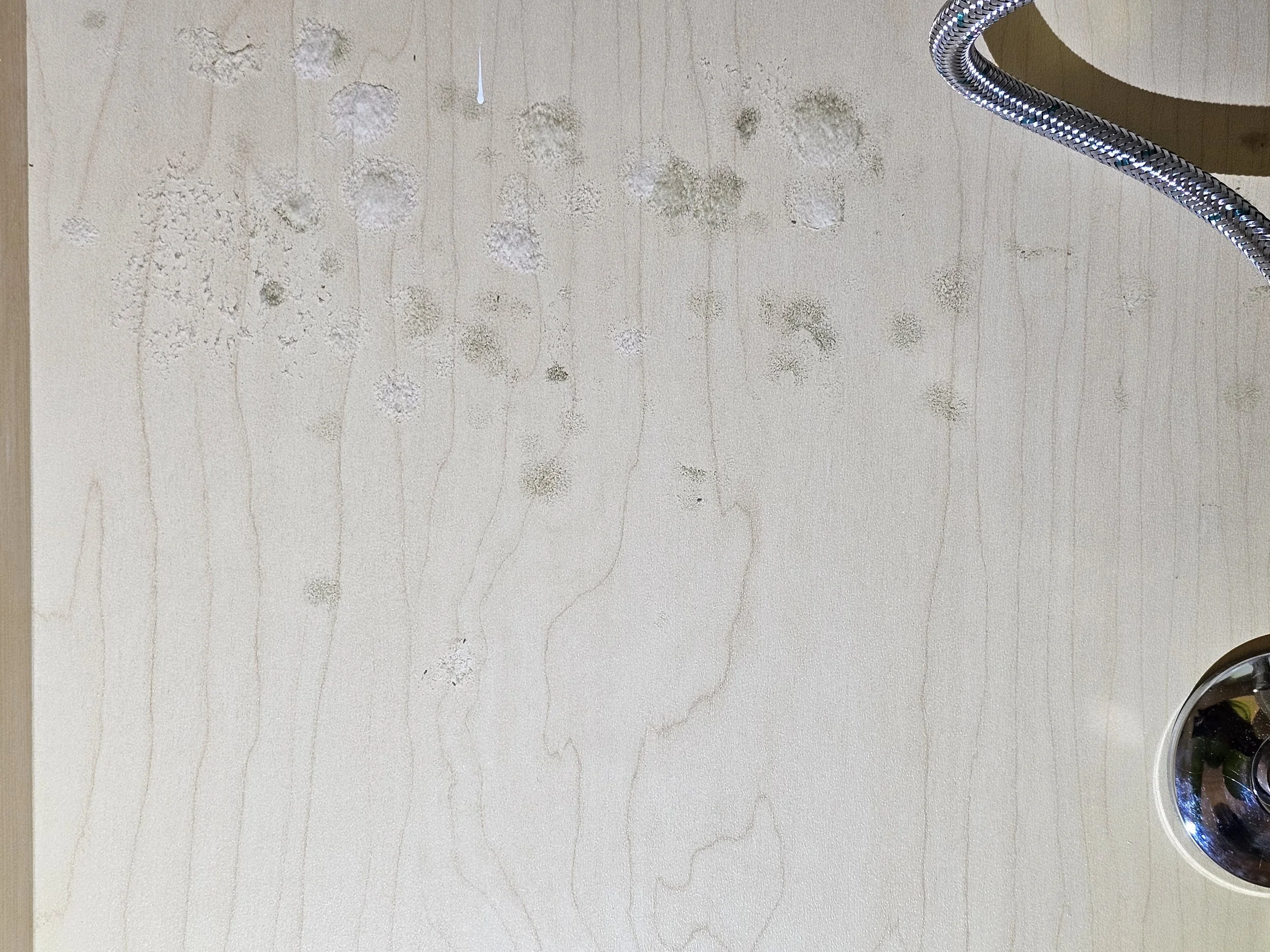
You had a water event a few years ago. It was addressed. Remediation was performed, repairs were made, and the home has been fine since. Now you're listing the property, and a question comes up that most sellers would rather not think about: do you have to tell a buyer about it?
The instinct for many sellers is to say nothing, on the reasoning that the problem was fixed and is therefore no longer a problem. That reasoning is understandable and frequently expensive. Understanding what Florida disclosure actually requires, and how proper documentation changes the conversation entirely, generally produces a better outcome than silence.
The Florida disclosure framework
Florida's disclosure obligation for residential sellers stems substantially from case law, specifically the principle established in Johnson v. Davis, which holds that a seller of a residential property must disclose facts materially affecting the value of the property that are known to the seller and not readily observable by the buyer.
That framework has three components worth noting. The fact must materially affect value. It must be known to the seller. And it must not be readily observable by a buyer. A prior mold condition that was significant enough to require remediation, that the seller obviously knows about, and that is now concealed behind repaired drywall meets all three tests fairly directly.
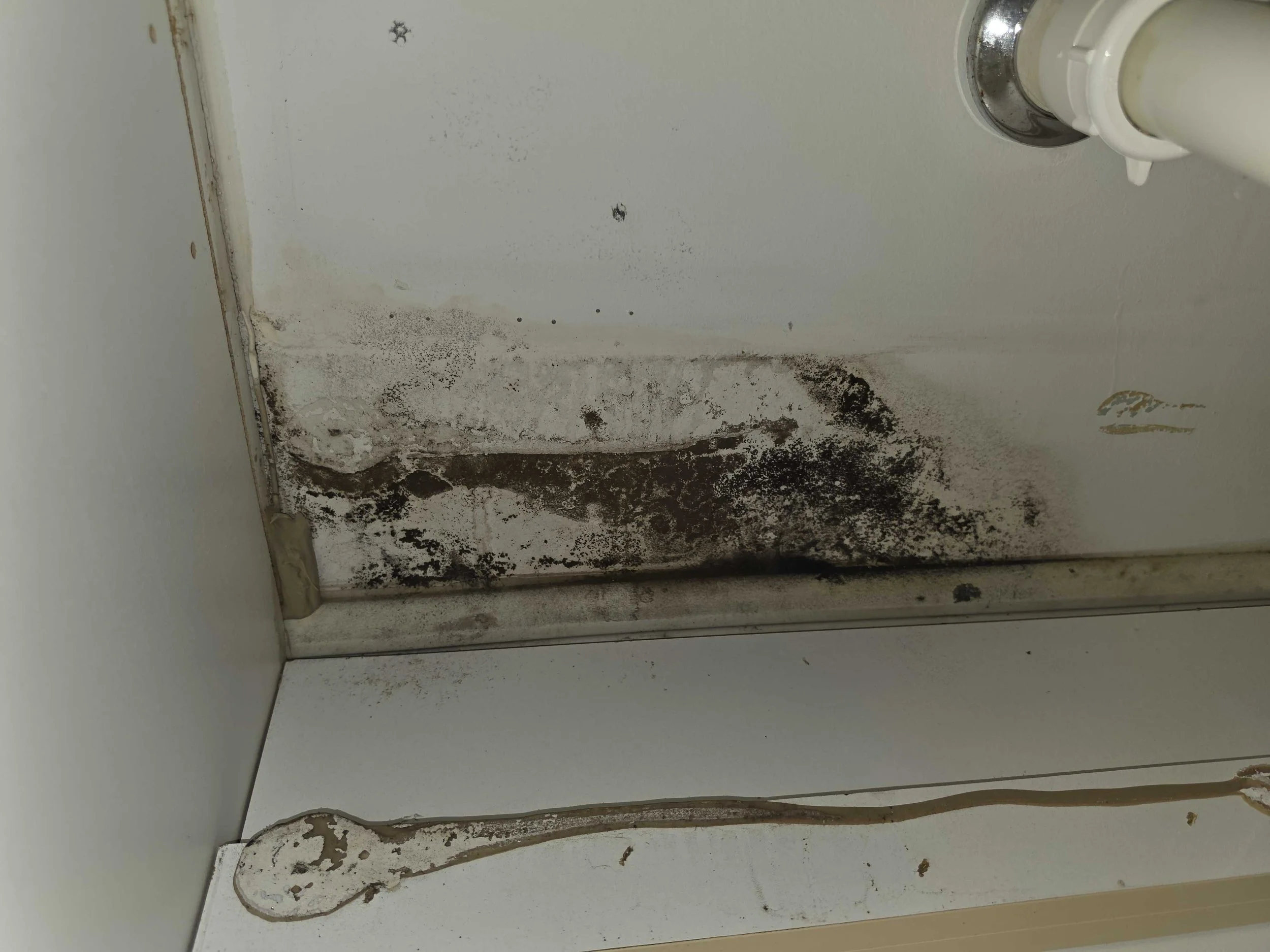
What this generally means in practice: a prior mold event requiring professional remediation is typically disclosable. A minor surface cleaning of bathroom grout generally is not. The distinguishing factors are usually severity, whether professional intervention was required, and whether the underlying cause was a building defect versus routine maintenance.
Why nondisclosure tends to backfire
The practical risk of nondisclosure is not that a buyer might feel misled. It's that evidence of prior remediation frequently surfaces anyway, and it surfaces at the worst possible moments.
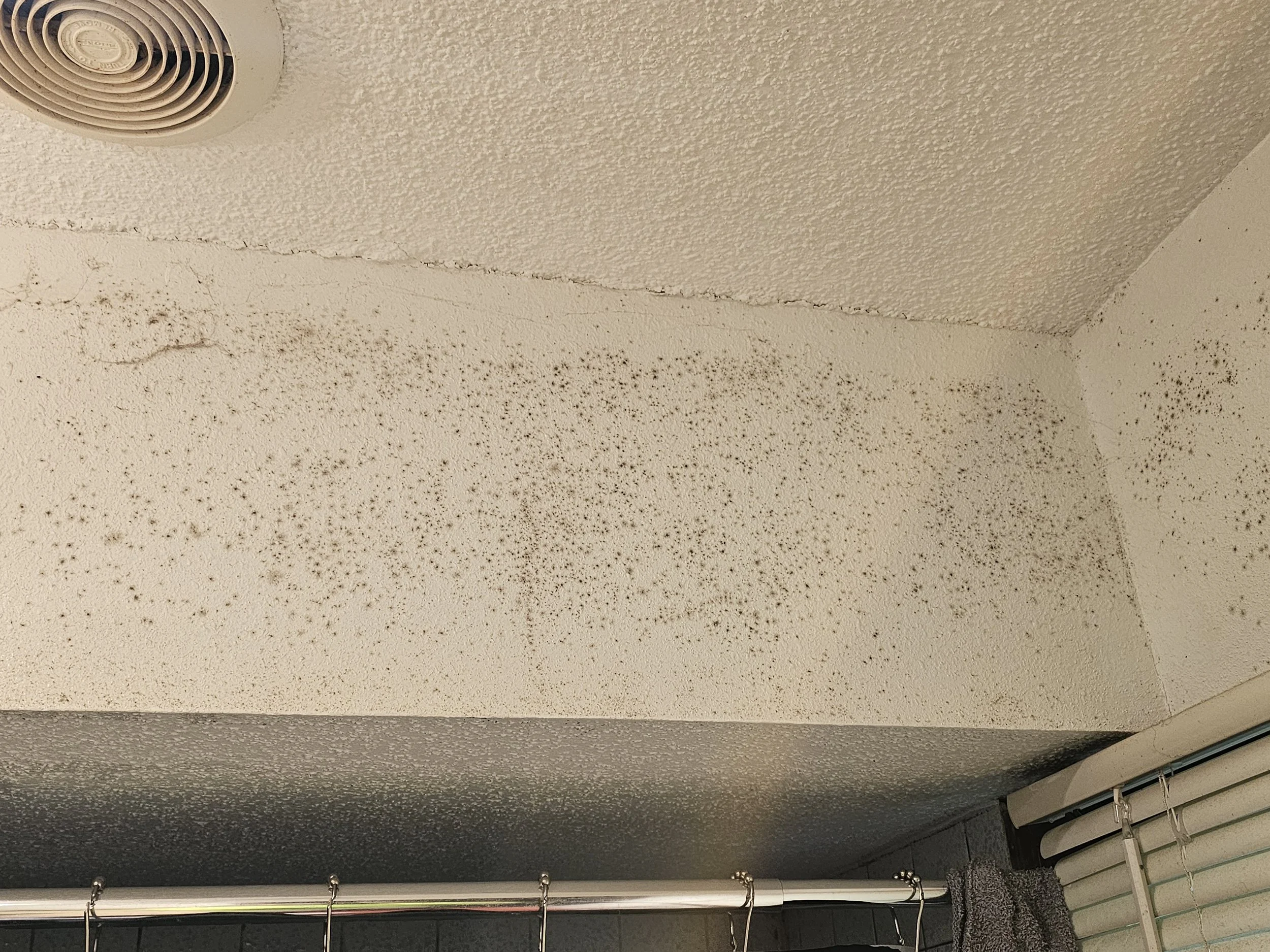
A buyer's mold assessment during the inspection period may identify elevated levels tracing to an incompletely resolved condition, or may reveal physical evidence of prior remediation such as patched drywall in an unusual pattern, replaced subfloor sections, or newer materials in an area of otherwise consistent age. Insurance claim history is discoverable through certain database services that buyers and their agents increasingly access. Permits pulled for the repair work are public record. Neighbors talk.
When any of that surfaces after a contract is signed, the seller is in a substantially worse position than if the history had been disclosed upfront. The buyer's confidence is damaged, the negotiating leverage shifts, and in some cases the transaction fails entirely. Post-closing discovery is worse still, creating exposure that extends well past the sale.
How documentation changes the entire conversation
Here is the part most sellers underestimate. A disclosed mold history with complete documentation is a materially different disclosure than a disclosed mold history without it.
Consider the two versions from a buyer's perspective. Version one: the seller discloses that mold was found in the guest bathroom in 2022 and was remediated. The buyer has no information about the scope, whether the source was corrected, or whether the work was verified. The buyer's reasonable response is to assume the worst case and either walk away or demand a significant concession.
Version two: the seller discloses the same event and provides the original assessment report identifying the source and scope, the remediation contractor's documentation of work performed, and an independent post-remediation verification report confirming clearance was achieved. The buyer now has evidence that the issue was identified properly, addressed completely, and confirmed independently. The disclosure becomes a demonstration of responsible ownership rather than a red flag.
Original assessment report identifying the condition and probable cause
Remediation protocol specifying the scope of work required
Remediation contractor documentation of work actually performed
Independent post-remediation verification confirming clearance
Documentation of the source correction, such as roof or plumbing repair records
The pre-listing assessment option
For sellers with a prior mold history and incomplete documentation, a pre-listing assessment addresses the gap directly. An independent assessment conducted before the property goes on the market establishes current conditions and produces a report the seller controls the timing of.
If the assessment comes back clean, the seller has current third-party documentation that the prior condition was resolved. That report neutralizes the disclosure almost entirely, transforming a potential objection into a non-issue supported by evidence.
If the assessment identifies a remaining condition, the seller learns it on their own timeline rather than during a buyer's inspection period. Addressing it before listing is nearly always less expensive and less disruptive than addressing it under contract with a buyer's deadline pressure and negotiating leverage in play.
The timing advantage: information discovered before listing is a project. The same information discovered during a buyer's inspection period is a negotiation. Sellers who assess proactively control the sequence. Sellers who don't respond to it.
The Southwest Florida market context
Buyers in Naples, Fort Myers, Cape Coral, and surrounding markets are increasingly sophisticated about mold specifically. Many are relocating from other states, are aware of Florida's climate, and arrive with mold assessment already on their inspection list. Others are buying homes that went through hurricane events and are specifically asking about water intrusion history.
In that environment, a seller who can produce complete documentation on a prior event is in a stronger position than a seller who cannot, and a substantially stronger position than a seller whose undisclosed history is discovered by the buyer's assessor.
A note on scope
Disclosure obligations involve legal questions, and specific circumstances vary. The framework above describes general principles rather than legal advice for your particular situation. A Florida real estate attorney is the appropriate resource for determining what your specific disclosure obligations are.
What an independent assessment provides is the factual documentation that any disclosure conversation depends on. Knowing the current condition of your property is the starting point for handling the disclosure question well.
Listing a Southwest Florida home with a prior mold or water event?
SWFL Mold Pros provides pre-listing assessments and post-remediation verification across Southwest Florida. Documentation that supports your disclosure rather than complicating it.