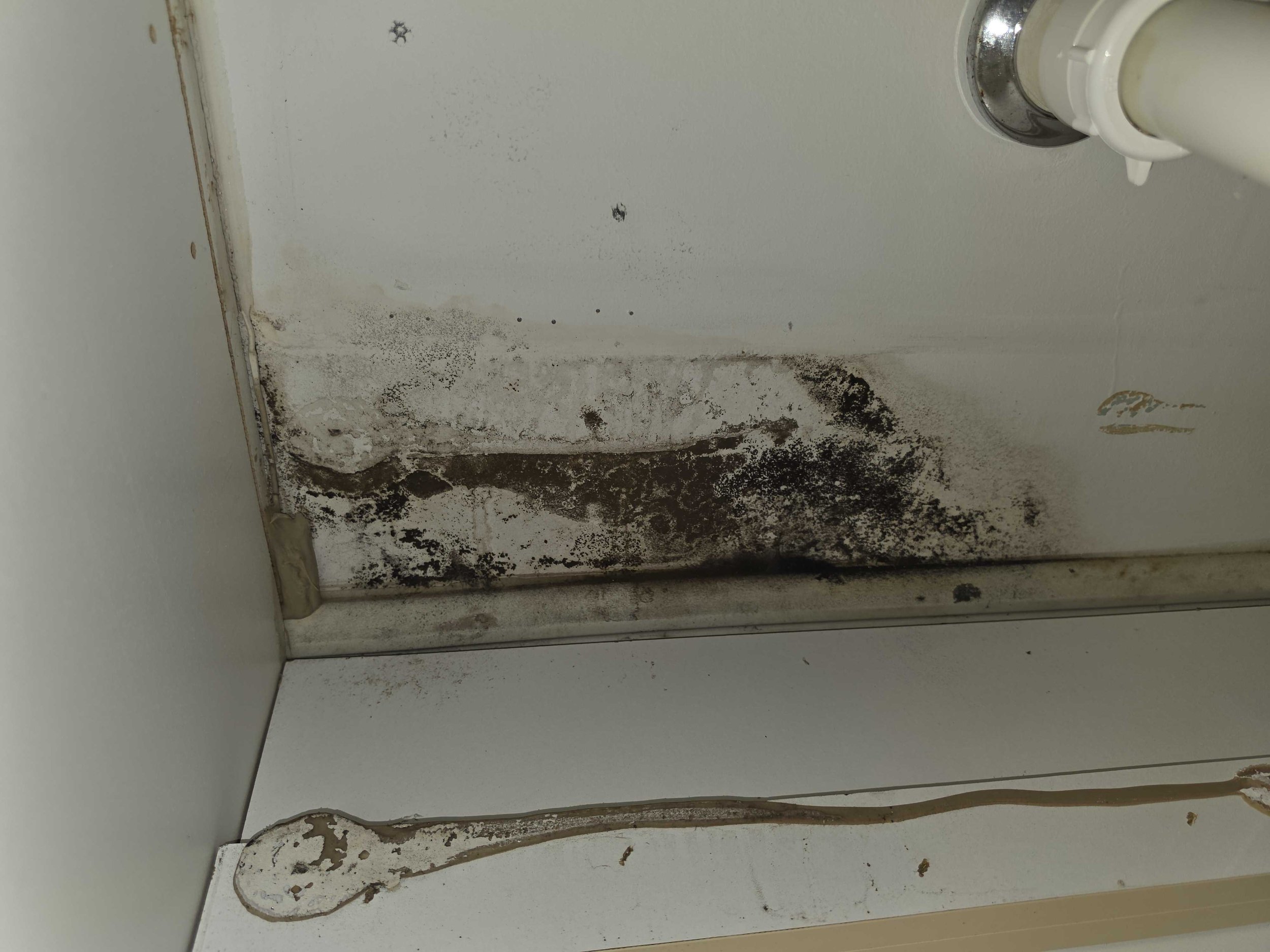
Search for mold solutions and you will find a large market of products and methods promising to eliminate the problem quickly and inexpensively. Bleach. Ozone generators. Antimicrobial foggers. UV lights. Each has enthusiastic marketing, each has customers who report success, and each has significant limitations that the marketing does not address.
The reason these methods persist is not that people are careless. It's that they produce visible short-term results while leaving the underlying condition intact. Understanding what each one actually does clarifies why the problem returns and what would genuinely resolve it.
The foundational issue: mold is a moisture problem
Before addressing any specific method, the underlying principle matters. Mold grows because a material stayed wet long enough for growth to establish. The mold is the symptom. The moisture is the condition.
Any approach that addresses the visible mold without correcting the moisture source produces a temporary result by definition. The material is still wet, the food source is still present, and spores are ubiquitous in the environment. Growth will reestablish. The timeline varies, but the outcome does not.
This is why professional remediation protocols always specify moisture source correction alongside material removal. It's also why a treatment product, however effective at killing surface organisms, cannot resolve a mold problem on its own.
The test to apply to any mold solution: does it address why the material got wet? If the answer is no, the method is treating a symptom. That may have a place within a broader approach, but it is not a solution.
Bleach
Bleach is the most commonly recommended DIY mold treatment and the one with the most persistent misconceptions attached to it.
Sodium hypochlorite is effective at killing surface organisms on non-porous materials. On a tile surface, a glass shower door, or a sealed countertop, bleach will kill mold present on the surface and remove the visible staining. For that specific application, it works as expected.
The problem is porous materials, which is where most building mold grows. Drywall, wood framing, insulation, and grout are porous. Bleach is primarily water with a small percentage of sodium hypochlorite. When applied to a porous material, the water penetrates into the material while the chlorine component largely remains at the surface. The result is that surface staining disappears, giving the appearance of resolution, while growth within the material continues and receives additional moisture from the application itself.
The visible improvement is real. The underlying condition is often worse. This is the specific mechanism by which bleach applications on drywall produce a clean-looking wall with active growth behind the paint.
Ozone generators
Ozone generators produce ozone gas, which is a strong oxidizer capable of neutralizing odors and killing microorganisms at sufficient concentration. Products marketed for mold and odor remediation are widely available.
Two significant issues apply. The first is efficacy against building mold. Ozone at concentrations achievable in an occupied-safe range does not penetrate porous materials meaningfully. Growth within a wall assembly, beneath flooring, or inside insulation is not reached by ambient ozone. What ozone does effectively is neutralize the odor compounds mold produces, which eliminates the primary indicator homeowners rely on to detect a problem while leaving the problem itself in place.
The second issue is safety. The EPA has published guidance noting that ozone at concentrations sufficient to be effective against biological contaminants exceeds levels considered safe for human exposure. Ozone is a respiratory irritant and can damage lung tissue. It also degrades rubber, certain plastics, and electrical components within a treated space.
An ozone treatment that removes a musty odor without addressing the source produces the worst possible outcome for a homeowner: the warning sign is gone, the condition persists, and the perception is that the problem was solved.
Why odor removal is a specific concern: a musty odor is often the earliest and sometimes only indicator of hidden growth. Eliminating that indicator without eliminating the source removes the homeowner's ability to detect an ongoing condition. This is why professional assessment relies on sampling and moisture measurement rather than odor alone.
Antimicrobial fogging
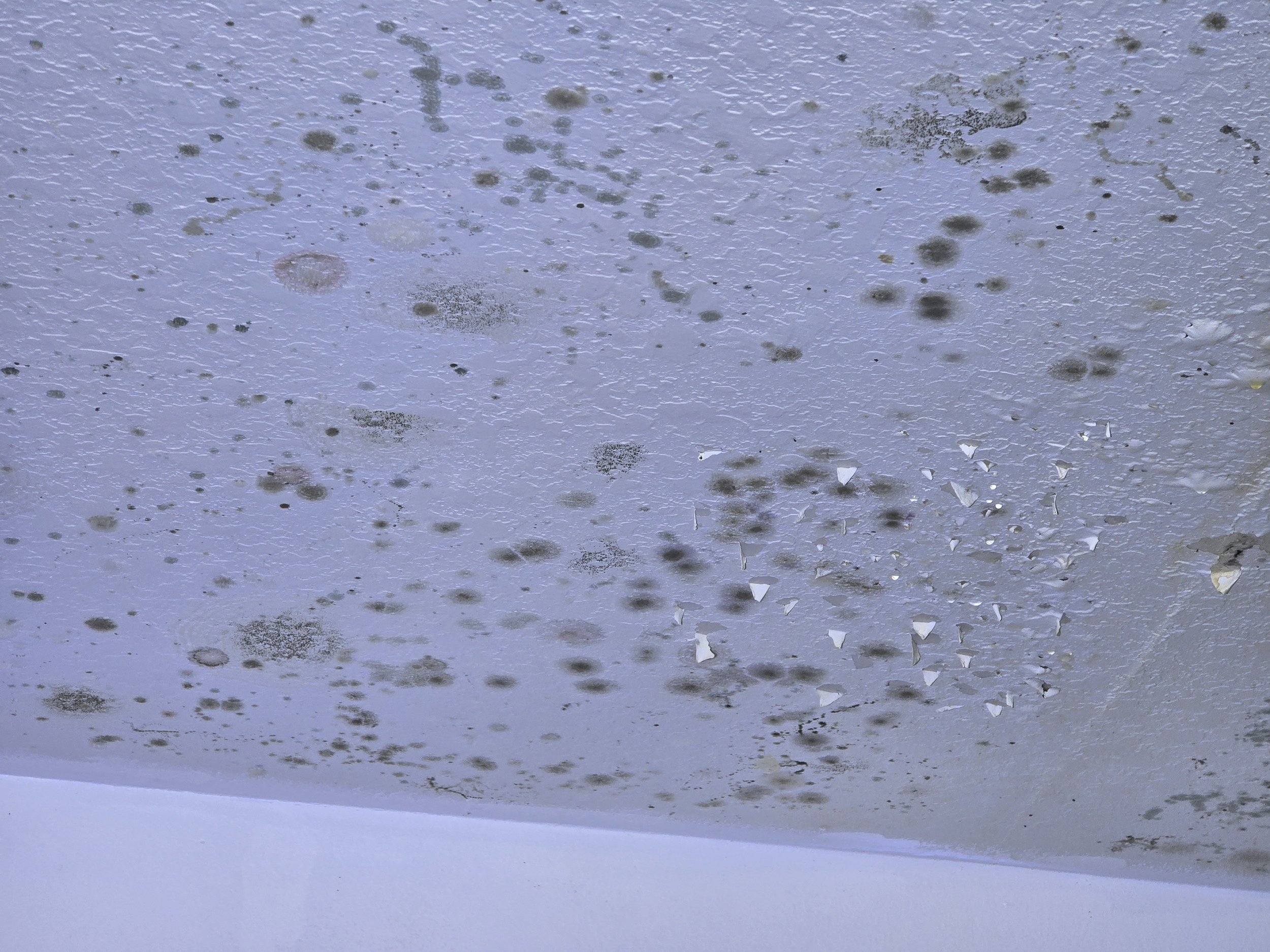
Fogging disperses an antimicrobial solution as a fine mist throughout a space, with the intent of treating all surfaces including those difficult to reach directly. It is offered by some remediation contractors and available in DIY formulations.
Fogging has legitimate applications within a professional remediation protocol, typically as a final step after affected materials have been removed and the space has been cleaned. In that context, it addresses residual surface contamination on remaining materials.
Used as a standalone treatment, it faces the same fundamental limitation as the other methods. A fine mist settles on exposed surfaces. It does not penetrate wall cavities, reach the underside of subflooring, or treat growth within materials. A space that is fogged without material removal and moisture correction has had its surfaces treated while the actual growth continues in the assemblies.
There is also a practical concern with DIY fogging: applying additional moisture to an environment that already has a moisture problem. The volumes involved are small, but the logic is worth noting.
UV lights in HVAC systems
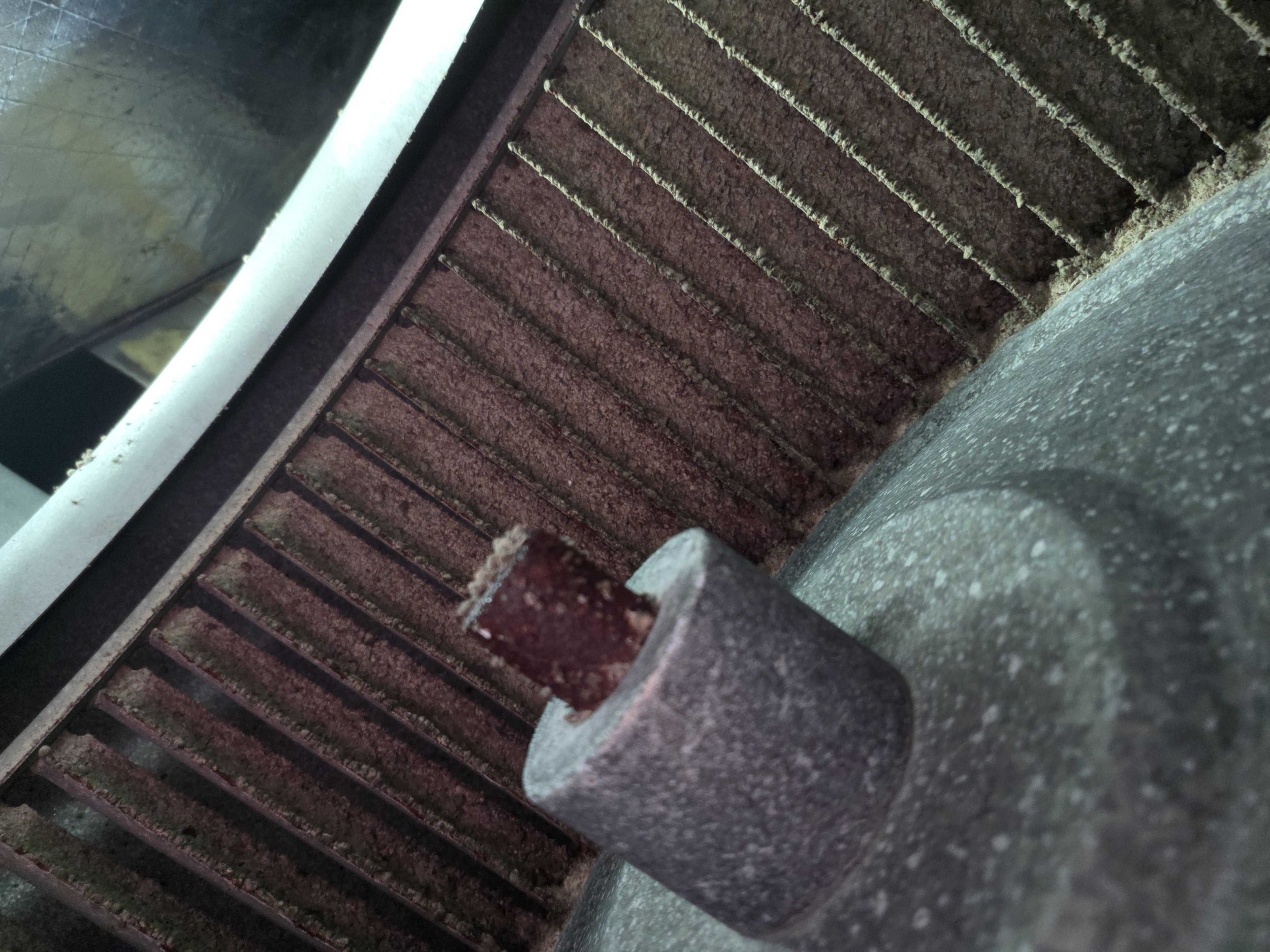
Ultraviolet germicidal lamps installed in HVAC systems have a genuine and well-established application. Positioned to irradiate the evaporator coil surface, they inhibit biological growth on that coil, which is a common growth location in Southwest Florida systems.
Where expectations exceed reality is in whole-home air treatment claims. A UV lamp in the air handler treats the surfaces it directly illuminates and provides limited treatment to air passing rapidly through the irradiated zone. It does not treat growth in ductwork beyond the lamp's line of sight, in wall cavities, or anywhere else in the structure.
UV coil treatment is a reasonable component of HVAC hygiene in this climate. It is not a mold remediation solution for a building.
What actually resolves a mold condition
The sequence that works is unglamorous and consistent. Identify the moisture source through inspection and moisture measurement. Correct that source, whether it's a roof penetration, plumbing failure, envelope defect, or humidity control deficiency. Remove materials that have supported growth, since porous materials cannot be reliably cleaned. Dry remaining materials to appropriate moisture content. Verify the outcome independently.
Every step in that sequence addresses cause rather than appearance. Treatment products may play a supporting role in the cleaning phase, but no product substitutes for source correction and material removal.
Where DIY has a legitimate place
None of this means homeowners can never address anything themselves. Surface mold on non-porous bathroom tile from routine humidity is a cleaning task, not a remediation project. Improving ventilation, running exhaust fans, managing humidity, and addressing minor condensation are all appropriate homeowner responsibilities.
The line is generally at porous materials and at any condition where the moisture source is not obvious and easily corrected. When growth is on drywall, when it appears without an identifiable cause, when it recurs after cleaning, or when it covers a meaningful area, the situation has moved past what a treatment product addresses.
At that point, the useful question is not which product to buy. It's what is actually causing the moisture, and that requires assessment rather than treatment.
Tried a treatment and the problem came back?
SWFL Mold Pros provides licensed mold assessments across Southwest Florida focused on identifying the moisture source, not just documenting the growth. Written reports, accredited lab analysis, clear next steps.